
I spent months staring at my empty balcony and feeling stuck. The space felt useless. Then I decided to turn it into a balcony buddha garden, and everything shifted.
Honestly? I had no clue what I was doing at first. My apartment is tiny. The balcony measures maybe six feet by four. Wind hits hard. Sunlight comes and goes depending on the time of day. Still, I wanted a spot that felt peaceful. A place where I could sit with my coffee and actually breathe.
I started small. One resin Buddha statue. A couple of pots. Some gravel. That was it. Over time the whole thing grew into something I look forward to every morning. This is the story of how I did it, what worked, what flopped, and exactly how you can build your own without spending a fortune or losing your mind.
Why a Balcony Buddha Garden Makes Sense for Small Spaces
City living steals quiet moments. Noise. Neighbors. Screens. I needed an antidote right outside my door.
A balcony buddha garden gives you that. It is not about perfect symmetry or expensive landscaping. It is about creating a corner that feels intentional. The Buddha statue becomes the anchor. Plants soften the edges. A bit of water or stone adds sound and texture.
I chose this route because bigger gardens feel impossible when you rent. My landlord would never approve digging. Containers solve that. Everything stays movable. If I move apartments, the whole setup can come with me.
See, the real win is the daily habit it creates. I step outside. I water the plants. I look at the statue for a few seconds. That short ritual resets my brain better than any app.
Choosing the Right Buddha Statue for a Balcony
The statue sits at the heart of the whole thing. Get this wrong and the space feels off.
I tried three different ones before settling. The first was too big. It dominated the railing and looked ridiculous. The second was cheap plastic that faded after one summer. The third? A medium resin piece in a seated meditation pose. Perfect.
Choose a UV-rated, frost-resistant statue, then secure it on the flat stone so wind cannot send it toward the railing.
Size and Material Matter
Aim for something between 8 and 16 inches tall for most balconies. Larger statues work only if you have a deep space and solid flooring.
Resin handles weather better than pure concrete in freeze-thaw cycles. Stone looks premium but weighs a ton. I went with resin because I can move it when storms roll in.
Placement Rules I Learned the Hard Way
Never put the statue on the bare floor if people walk past it. That feels disrespectful to me. I raised mine on a small wooden stand. Some people use a flat stone.
Face it toward the main seating area or the door so you see it when you step out. Avoid pointing it straight at the street if privacy feels important. My balcony faces a quiet alley, so I pointed the Buddha toward the city view. It works.
IMO, the expression on the face counts more than the mudra. A calm, soft expression beats a stern one when you only have a few square feet.
Plants That Thrive in a Balcony Buddha Garden
Plants do the heavy lifting. They turn a statue into a living space.
I killed more plants than I care to admit in the first year. Overwatering. Underwatering. Wrong light. Here is what finally stuck.
Low-Maintenance Favorites
- Ferns: Soft texture. Love partial shade. My Boston fern sits behind the Buddha and frames it without stealing attention.
- Succulents and sedums: Tough as nails. I keep a few in shallow trays at the base. They need almost no water once established.
- Snake plant: Vertical lines. Survives neglect. Perfect for the back corner where wind hits hardest.
- Pothos or money plant: Trails over the edges of pots. Softens hard railings.
- Small bamboo: Clumping varieties only. Running bamboo will take over and get you in trouble with neighbors.
I group plants by water needs. Thirsty ones on one side. Drought-tolerant on the other. That simple system cut my watering mistakes in half.
Container Choices That Work
Terra cotta looks natural but dries out fast. Plastic retains moisture longer and weighs less. I mix both. Heavy ceramic pots stay put in wind. Lightweight ones move easily when I need to rearrange.
Drainage holes are non-negotiable. I learned that after a week of yellow leaves. Add a layer of gravel at the bottom of every pot.
Adding Water and Stone Without Making a Mess
Water features sound fancy. On a balcony they can turn into leaks and mold if you are not careful.
I started with a tiny tabletop fountain. The pump was quiet. The sound of water made the space feel larger. After two seasons the pump died. Now I use a simple shallow bowl with river stones and a few floating candles for evenings. No electricity needed.
Stone matters more than water for me now. A bag of white or gray gravel covers the floor of the balcony in the Buddha zone. It hides the concrete and gives a clean base. I rake it sometimes. The act feels meditative.
Large flat stones act as platforms for the statue or small pots. They also keep the gravel from scattering when the wind picks up.
Refresh bowl water every few days and scrub it weekly to discourage mosquitoes, algae, and residue around the river stones.
Lighting for Evening Use
Daytime is easy. Nighttime is when the balcony buddha garden really pays off.
Solar path lights work fine. I stuck two small ones near the base of the statue. They cast a soft glow without cables. String lights along the railing add ambient light without overwhelming the calm mood.
Avoid bright white LEDs. Warm yellow tones feel better. I tested both. The cool light made everything look clinical. Warm light made the space feel inviting after dark.
How I Arrange Everything in Limited Square Footage
Layout is everything when space is tight.
I keep the Buddha off to one side rather than dead center. That leaves room for a small folding chair or floor cushion. The plants form a loose U-shape around the statue. Gravel fills the middle.
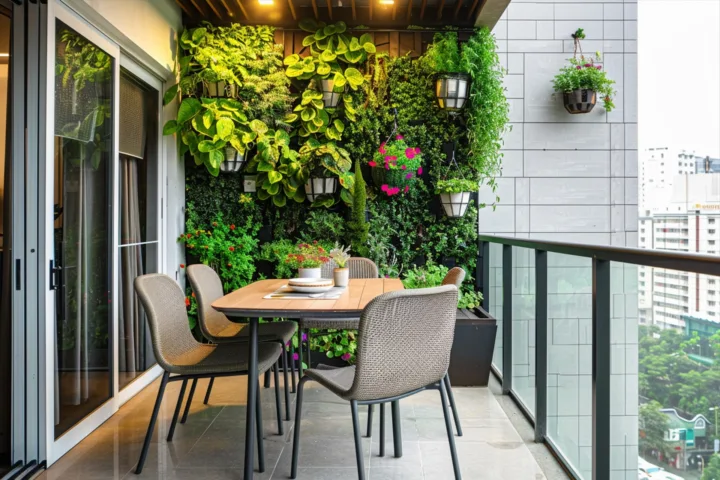
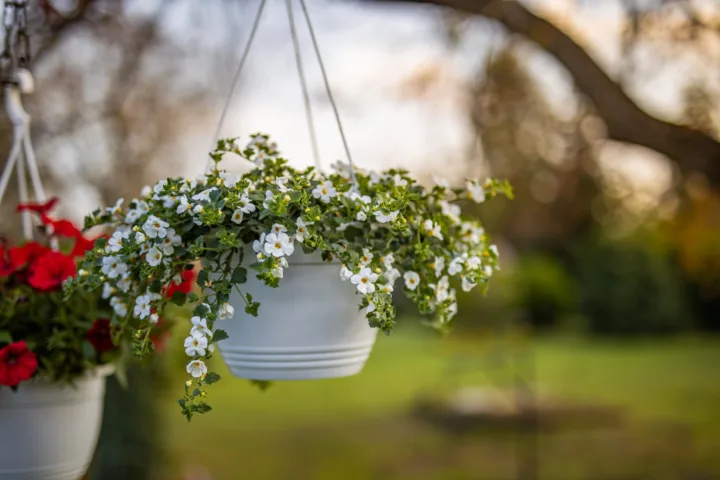
Vertical space saves the day. I hung one trailing plant from the ceiling of the balcony cover. A narrow shelf holds smaller pots at eye level. Nothing sits on the floor except the gravel and the main statue stand.
Traffic flow stays clear. I can still open the door fully and step out without knocking anything over. That detail matters more than people admit.
Common Mistakes I Made (So You Skip Them)
I overcrowded the space at first. Too many pots. Too many colors. The result looked busy instead of calm. Editing down to fewer, larger elements fixed it.
I ignored weight limits. Some balconies have strict load ratings. Check yours. Wet soil and ceramic pots add up fast.
I placed the statue where afternoon sun baked it for hours. The resin held up, but the plants around it struggled. Partial shade or morning sun works better for most setups.
I forgot wind. Tall plants toppled. Now everything short stays low and heavy pots stay in the corners.
Maintenance That Fits a Busy Life
This setup should not feel like a second job.
I water twice a week in summer, once in cooler months. I wipe dust off the statue every couple of weeks. I pull dead leaves as I see them. That is the entire routine.
In winter I move the more delicate plants inside and cover the statue if frost is coming. The gravel stays. The bones of the garden remain even when the soft parts rest.
Frequently Asked Questions
Does a balcony buddha garden need to follow strict Buddhist rules? No. Mine does not. I treat the space as a personal calm zone. Respect the statue by keeping it clean and elevated, but you do not need formal rituals unless you want them.
How much does a basic setup cost? I spent under $150 total. A decent statue ran $40. Plants and pots another $60. Gravel and stones the rest. You can start even cheaper with thrift finds and cuttings.
What if my balcony gets almost no sun? Go heavy on ferns, snake plants, and pothos. Skip flowering plants. The Buddha still works as the focal point. Soft green textures carry the mood.
Can I include other spiritual items? Sure. I added a small incense holder for occasional use. Keep the number low. Too many objects kill the simplicity that makes the space work.
How long before it feels like a real sanctuary? Mine took about three weeks of living with it. The plants settled. I stopped rearranging every day. Then the habit stuck.
Final Thoughts on Living With Your Balcony Buddha Garden
I still tweak things now and then. A new plant. A different stone. The core stays the same.
This little balcony buddha garden gives me a place to pause. No phone. No noise. Just the quiet presence of the statue and the green around it. That is enough.
Start with one statue and two plants if the full vision feels overwhelming. Add the rest when you are ready. The space will teach you what it needs.
You will know it is working when you catch yourself stepping outside just to stand there for a minute. That quiet pull is the whole point.