
I started with a bare concrete slab and a stubborn belief that real flowers belonged only in ground-level yards. That belief lasted about two weeks. My first season with balcony garden flowers taught me more about patience, wind, and water than any book ever did. Now I look at that same small space and see color spilling over the rails from spring straight through fall. You can do the same. I will walk you through exactly what worked for me, what failed hard, and which flowers I keep coming back to every single year.
Why Balcony Garden Flowers Feel Different From Yard Flowers
Space is tight. Wind hits harder. Soil dries out faster. Those three facts change everything. I learned them the messy way. My first petunias looked gorgeous for ten days, then the afternoon gusts shredded the petals and the pot tipped over twice in one week. I almost quit right there.
Honestly? The third try nearly stuck.
See, the real question is not which flowers look pretty in a catalog. The question is which ones forgive your mistakes when you water too little or the sun beats down for eight straight hours. Once I switched my focus to toughness first and looks second, the balcony started to reward me.
Matching Flowers to Your Balcony Light
Light decides more than anything else. I spent one whole season guessing. Big mistake. Now I watch the sun for a full day before I buy a single plant.
Note whether light is direct or reflected off neighboring walls, because reflected afternoon heat can scorch balcony flowers even when total hours seem suitable.
Sunny Balconies (Six or More Hours)
These get the heat and the glare. My south-facing rail bakes from mid-morning onward. The winners here demand that light and give it right back in color.
- Petunias: I plant them every spring without fail. They cascade, they rebloom after a quick trim, and the new wave varieties shrug off heat better than the old ones. I water them in the morning and deadhead once a week. That is the whole routine.
- Geraniums: These are the workhorses. I keep three pots of the red ones and two of the pink. They bloom nonstop if I feed them lightly every two weeks. One year a heat wave hit 95 degrees for days and they barely blinked.
- Nasturtiums: Edible flowers and zero drama. I sow the seeds directly in the pot. They climb or trail depending on the variety. I eat the leaves in salads and the blooms as garnish. Bonus points for that.
- Marigolds: Bright, cheap, and they keep pests away from my nearby herbs. I tuck them into corners where nothing else seems to thrive.
Shady or Part-Shade Balconies
My friend’s east-facing balcony gets maybe four hours of soft morning light. She used to think flowers were impossible there. Wrong.
- Impatiens: These are the classic shade solution. I buy the Beacon series now because they resist the old downy mildew issues. They bloom in pinks, whites, and oranges and ask for almost nothing beyond consistent moisture.
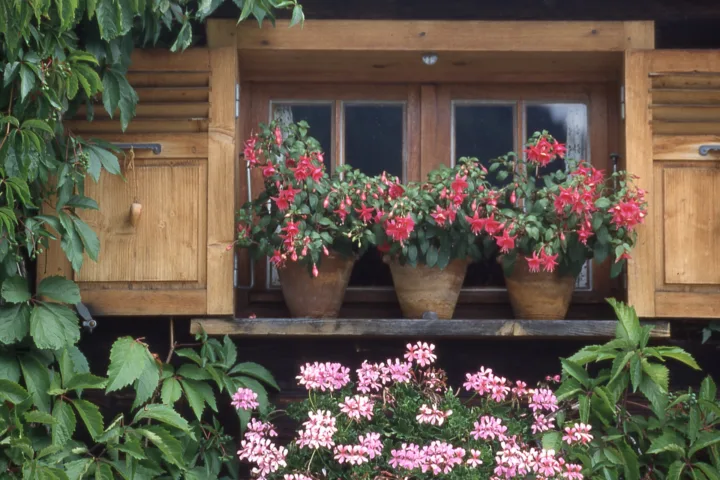
- Fuchsias: The hanging baskets of these make me smile every time I walk outside. They prefer cooler spots and reward you with those dangling lantern flowers. I water them every other day in summer.
- Begonias: Wax begonias hold their own in lower light. The foliage alone looks good even when blooms slow. I use them as fillers around taller plants.
- Torenia (Wishbone Flower): This one surprised me. Tiny blooms that keep coming in partial shade. I discovered it late and now plant it every year.
I test the light myself. I stand out there at 9 a.m., noon, and 3 p.m. for a week and note where the sun actually lands. That simple habit saves money and heartbreak.
Containers That Keep Balcony Garden Flowers Alive
The pot matters almost as much as the plant. I used to grab whatever looked cute. Then the roots cooked or the water sat and rotted everything. Now I follow a few hard rules.
Drainage holes are non-negotiable. I drill extra ones if the pot comes with only one. I also lift pots slightly off the floor with feet or bricks so water can escape fully.
Size counts. A five-gallon pot holds moisture better than those tiny six-inch ones that dry out by noon. For trailing flowers I go wider rather than deeper. For upright ones I go deeper.
Material choice: Terracotta breathes and looks classic, but it dries fast. Plastic holds water longer and weighs less, which matters when you haul pots around. I mix both. The heavy terracotta stays on the floor. The lighter plastic hangs or sits on shelves.
Soil is not garden dirt. I buy a quality potting mix every time. I add a handful of perlite for extra drainage and a slow-release fertilizer at planting. That combo has kept my balcony garden flowers happier than any fancy soil recipe I tried early on.
A filled five-gallon container can exceed 50 pounds when wet. Distribute large pots rather than clustering them near one balcony edge.
Watering and Feeding Without the Guesswork
I used to water on a schedule. Bad idea. Now I stick my finger in the soil. If the top inch feels dry, I water. If it still feels damp, I wait. That one change cut my losses in half.
Morning watering is best. The plants drink before the heat hits, and the leaves dry faster so disease stays away. I use a watering can with a long spout so I can reach the soil without soaking the flowers themselves.
Feeding: A diluted liquid fertilizer every two weeks during peak bloom keeps the show going. I stop in late summer so the plants can slow down naturally. Overfeeding makes lanky growth that the wind snaps.
Wind is the silent killer on balconies. I group pots together for mutual protection. I also choose shorter varieties or ones with sturdy stems when the forecast looks gusty. My railing planters get extra clips so they cannot tip.
Fertilizer salts can accumulate in containers; monthly, water slowly until runoff appears, then empty saucers completely.
My Personal Shortlist of Reliable Balcony Garden Flowers
After years of trial and plenty of dead plants, these are the ones I trust.
- Petunias for cascading color that keeps returning after a haircut.
- Geraniums for pure staying power and that classic cottage look.
- Impatiens when shade is the main factor.
- Fuchsias for drama in hanging spots.
- Nasturtiums because they feed me as well as the bees.
- Calibrachoa (Million Bells) when I want petunia vibes with even smaller flowers that need almost no deadheading.
- Verbena for trailing purple that thrives in heat.
I rotate a couple of new ones each year just to keep things interesting, but the core group never changes. That consistency is what turns a random collection of pots into an actual garden.
Common Mistakes I Made So You Can Skip Them
I overwatered the first month. Roots sat wet and everything yellowed. Lesson learned: check the soil, not the calendar.
I planted tall flowers in shallow pots. They toppled in the first strong breeze. Now I match plant height to pot depth and add weight with stones at the bottom if needed.
I ignored the heat reflection from the concrete wall. The plants nearest the wall cooked while the ones farther out did fine. I leave a gap now and use lighter-colored pots that absorb less heat.
I bought whatever was on sale without checking mature size. Two seasons of overcrowded pots taught me to read the tag and believe it.
Seasonal Timing That Actually Works
I start seeds indoors in late winter for the ones that take time. Petunias and marigolds go out after the last frost. Impatiens and fuchsias wait until nights stay above 50 degrees. In fall I pull the annuals and leave the hardier geraniums if the winter is mild. Some years I overwinter a few pots indoors under a grow light. It is extra work, but the head start the next spring feels worth it.
Spring is for planting and watching. Summer is for watering and deadheading. Fall is for enjoying the last blooms and planning next year. That rhythm keeps me from burning out.
Making the Space Feel Like a Real Garden
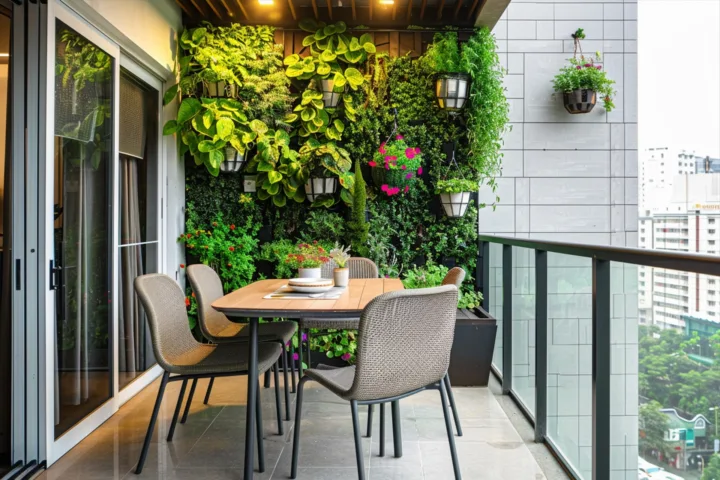
I layer heights. Tall geraniums or a small trellis with climbing nasturtiums in the back. Medium fillers in the middle. Trailers hanging over the front edge. The eye moves and the space feels bigger than it is.
Color themes help too. One year I went all pinks and purples. Another year I mixed oranges and yellows for pure cheer. I stick to three or four colors max so it does not look chaotic.
Scent matters. I tuck a pot of sweet alyssum near the door so I smell it every time I step out. Small detail. Big payoff.
Frequently Asked Questions
How often should I water balcony garden flowers? I check the soil every day in hot weather and water only when the top inch feels dry. That usually means every one to two days in summer and less in cooler weather.
Can I grow the same balcony garden flowers year after year? Most of the ones I use are annuals, so I replant each spring. Geraniums can overwinter indoors if you have space and light. I bring a couple inside every fall and they bounce back nicely.
What if my balcony gets strong wind? I choose compact varieties, group the pots, and secure anything hanging. Petunias and geraniums handle wind better than delicate fuchsias in my experience.
Do I need special fertilizer for container flowers? A balanced liquid fertilizer diluted to half strength every two weeks works for me. I skip it if the plants look healthy and the potting mix already has slow-release nutrients mixed in.
Are there any balcony garden flowers that attract bees without drawing pests? Nasturtiums and verbena bring the pollinators while staying fairly pest-resistant. Marigolds help keep some insects away from neighboring plants too.
Final Thoughts From One Balcony Enthusiast to Another
I still kill a plant now and then. That is part of the deal. The difference is I no longer take it personally. I note what went wrong, adjust, and plant again. My balcony looks better every year because I keep showing up with the right flowers for the conditions I actually have.
Start small. Pick two or three from the lists above that match your light. Get decent pots and soil. Water with intention. That is the whole formula. The rest is just watching color show up where concrete used to sit. Go plant something this weekend. Your future self will thank you every time you step outside.