
I spent months staring at my empty balcony and feeling stuck. The concrete slab measured maybe six feet by four. No soil. No yard. Just railings and a view of the neighboring building. I wanted green things. Fresh herbs. Something alive. So I started a small balcony garden apartment experiment with whatever cash I had left after rent.
It worked. Not perfectly. But well enough that I now harvest basil most weeks and watch tomatoes turn red right outside my kitchen window. Here’s everything I learned the hard way so you can skip some of the fails.
Why a Small Balcony Garden Apartment Makes Sense Even When Space Feels Impossible
City living rarely hands you a backyard. Most of us get a slab of outdoor space if we’re lucky. I used to think that meant no real gardening. Then I realized containers and vertical setups change the rules.
Sunlight becomes the real currency. My balcony faces south. It gets about six hours of direct light in summer. That decided almost everything else. If yours gets less, you lean harder into shade-tolerant herbs and leafy greens. More sun opens the door to tomatoes and peppers.
Weight matters too. Apartment buildings set limits. I stuck to lightweight plastic and fabric pots mixed with a few ceramic ones. Overloading the structure never crossed my mind after the first heavy clay pot nearly cracked my floor.
Honestly? The biggest win was mental. Coming home to something growing made the whole apartment feel less temporary.
Getting the Basics Right Before You Buy a Single Plant
I jumped in too fast the first week. Bought pretty pots. Filled them with cheap soil. Watched everything struggle. Don’t repeat that.
Check Your Light and Wind First
Stand outside at different times for a few days. Note the hours of direct sun. Write it down. Morning light differs from afternoon light. Wind tunnels between buildings dry pots out faster than you expect. I lost two trays of seedlings to a random gust before I started using heavier bases and windbreaks made from old lattice.
Choose Containers That Drain and Don’t Weigh a Ton
Drainage holes are non-negotiable. I drill extra ones if needed. Self-watering pots help on hot weeks when I travel. Fabric grow bags breathe well and stay lighter when wet. Square containers pack tighter than round ones. Railing planters free up floor space completely.
My go-to sizes:
- 8–12 inch pots for most herbs
- 12–16 inch for cherry tomatoes or peppers
- Long narrow troughs for lettuce mixes
Cheap plastic works fine. Fancy looks nice but costs more and often weighs more.
Soil Makes or Breaks Everything
Regular garden dirt turns into concrete in pots. I use a light potting mix with added perlite or coconut coir. A handful of compost goes in at planting time. I top-dress with more compost every few weeks. Plants respond fast when the medium stays airy.
Plants That Actually Thrive in a Small Balcony Garden Apartment Setup
I tried too many varieties early on. Some flopped. The winners stuck around.
Herbs That Keep Giving
Basil loves heat and sun. I grow it in 10-inch pots and pinch the tops constantly. It bushs out and keeps producing. Mint spreads like crazy so it gets its own pot. Thyme and oregano handle neglect better than I do. Rosemary needs good drainage and less water than you think. Chives bounce back after every haircut.
These form the core of my kitchen harvests. A quick snip changes dinner.
Vegetables Worth the Space
Cherry tomatoes win every time. Look for determinate or dwarf varieties. One plant in a 14-inch pot gave me dozens of fruits last summer. Peppers do well too if they get enough heat. Leafy greens like lettuce, spinach, and arugula grow fast in cooler months. I succession plant them every two weeks so something is always ready.
Radishes finish in under a month. Strawberries in hanging baskets work if you protect them from birds.
Flowers and Fillers for Looks
Marigolds keep pests down and add color. Petunias cascade over railings. Nasturtiums are edible and cheerful. I mix them among the edibles so the whole balcony looks intentional instead of purely practical.
Avoid anything that needs deep roots or grows into a tree. Dwarf citrus might work in larger pots if your winters stay mild, but I skipped that route.
Vertical Tricks That Multiply Your Growing Area
Floor space vanishes fast. Going up solved most of my problems.
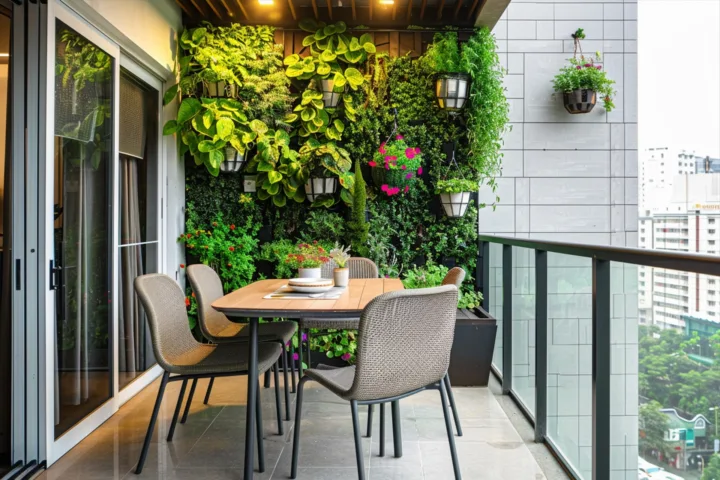
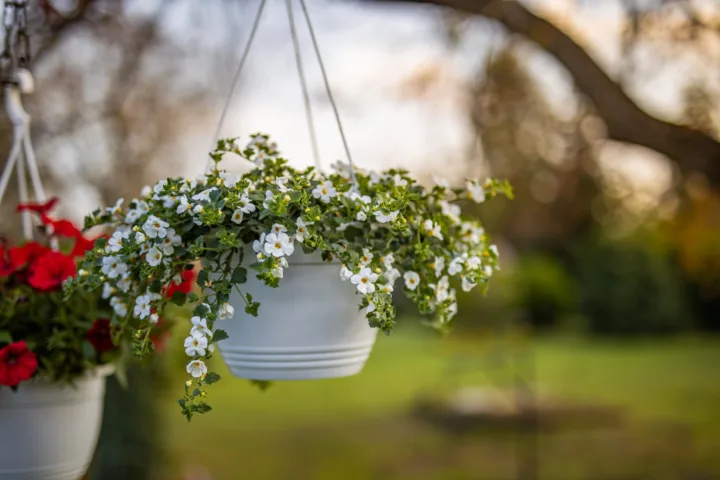
I attached a simple trellis to the wall with command hooks and zip ties. Climbing beans and cucumbers used it. Hanging baskets from the ceiling hooks hold strawberries and trailing herbs. A tiered plant stand holds five pots in the footprint of one.
Railing planters line both sides. I filled them with lettuce and trailing flowers. The view from inside improved overnight.
Stack smart:
- Heavier pots lower down
- Lighter trailing plants higher up
- Leave walking paths so you can reach everything without knocking pots over
One friend used a pallet leaned against the wall with fabric pockets. It held a surprising amount of herbs. I copied the idea with a freestanding version that I can move when the wind picks up.
Command hooks and hanging baskets can fail under outdoor moisture or wind, so use exterior-rated supports and test every attachment before adding plants.
Watering, Feeding, and the Daily Reality
Pots dry out faster than ground soil. In peak summer I water most containers every day. Early morning works best. I stick my finger in the soil first. If it feels dry two inches down, I water thoroughly until it runs out the bottom.
Overwatering kills more plants than underwatering in my experience. Yellow leaves often signal too much water or poor drainage.
I feed with a diluted liquid fertilizer every two weeks during active growth. Fish emulsion or a balanced organic formula works. Plants in containers run out of nutrients faster because water leaches them away.
Pests showed up. Aphids loved my first basil. A strong spray of water and then neem oil handled them. I check the undersides of leaves weekly now. Catching problems early keeps them small.
Flush containers with plain water occasionally to reduce fertilizer salt buildup, especially after repeated liquid feeding and visible white crust appears on the soil.
Common Mistakes I Made So You Don’t Have To
I overcrowded pots. Plants need room for roots and airflow. Crowding invites disease.
I ignored the weight of wet soil. One heavy ceramic pot sat too close to the edge. Lesson learned.
I chose plants that needed more sun than my balcony offered. They stretched and stayed weak. Matching plants to conditions beats forcing them.
I bought the cheapest soil. It compacted and drained poorly. Spending a little more on quality mix paid off immediately.
See, the real question isn’t how many plants you can squeeze in. It’s which ones will actually produce without constant rescue.
Making It Look Good Without Losing Function
Ugly plastic pots work but feel temporary. I group them by color or height. A couple of matching ceramic ones act as anchors. Outdoor cushions and a small folding chair turn the space into a place I actually sit.
String lights go up in the evening. Suddenly the balcony feels like an extension of the living room. Privacy screens made from tall grasses in pots help block the neighbor’s view.
Keep pathways clear. You need to reach every plant for watering and harvesting. Clutter kills the calm feeling.
Seasonal Shifts and Keeping Momentum
Spring starts with cool-season greens and herbs. Summer brings the heat lovers. Fall lets me plant more lettuce and maybe some kale. Winter means moving the hardiest pots closer to the wall and protecting them from frost if needed. Some years I bring the favorites inside under a grow light for a few months.
I keep a simple notebook. Planting dates. What thrived. What failed. Patterns appear after one full year. That notebook becomes the real guide for year two.
Frequently Asked Questions
How much does a basic small balcony garden apartment setup cost to start? I spent under $150 the first month on pots, soil, and starter plants. You can begin even smaller with a few railing planters and seed packets.
Can I grow real vegetables if my balcony only gets four hours of sun? Yes. Stick to leafy greens, herbs like mint and parsley, and shade-tolerant flowers. Fruiting plants will struggle without more light.
What if my building has rules against balcony gardens? Check the lease. Most allow containers as long as nothing drips on neighbors below. Use trays under pots and avoid anything that could fall.
How do I keep plants alive when I travel for a week? Self-watering pots or a simple capillary mat system help. Ask a neighbor to check once if possible. Group plants in the shadiest spot before you leave.
Is a small balcony garden apartment worth the effort for just a few herbs? For me it was. The flavor of fresh basil beats store-bought every time. Plus the daily habit of checking on living things improved my mood more than I expected.
Final Thoughts From My Concrete Jungle Corner
I still have days when a plant dies and I feel defeated. Then I harvest a handful of cherry tomatoes and remember why I started. A small balcony garden apartment doesn’t need to feed a family. It just needs to feed something in you.
Start with three pots. One herb. One leafy green. One flower. Watch what happens. Adjust. Add more only when the first ones thrive.
Your tiny outdoor space holds more potential than it looks. Mine did. Yours will too.