
I started my balcony flower garden three summers ago with two sad pots and a whole lot of hope. My apartment sits four floors up, the railing is narrow, and the wind loves to mess with everything. Still, I wanted color right outside my door. I needed something that felt alive without needing a backyard. That first season taught me more than any book ever did. Now my space bursts with blooms from spring straight through fall, and I want to walk you through exactly how I made it work.
Figuring Out What Your Balcony Can Actually Handle
Sunlight decides almost everything. I spent a full week tracking the light on mine. Morning sun hits hard until about eleven. Then shade takes over until late afternoon. That pattern told me which flowers stood a chance.
Measure the hours of direct light yourself. Write them down. South-facing spots give the strongest sun. East-facing ones stay gentler. West gets hot late. North stays mostly cool and dim. My balcony faces southeast, so I get solid morning light and some afternoon shade. Perfect for a mix.
Wind hits harder up high. My first geraniums lost half their petals in one gusty afternoon. I learned to pick sturdier stems and use heavier pots after that. Weight matters too. Check your building rules if you rent. Some places limit how much load the balcony can take. I keep mine under the limit by spreading pots out and skipping the giant ceramic ones.
Space stays tight. Floor room disappears fast once you add a chair. I switched to railing planters and wall-mounted shelves early. Vertical thinking saved me. Honestly? That shift changed the whole game.
Treat wet soil, containers, and trapped rainwater as part of balcony load; confirm the combined weight with your building manager before installing shelves.
Picking the Right Flowers for a Balcony Flower Garden
Not every flower thrives in a pot high above the ground. I tried dozens. Some flopped. Others became reliable favorites. Here is what worked for me after plenty of trial and error.
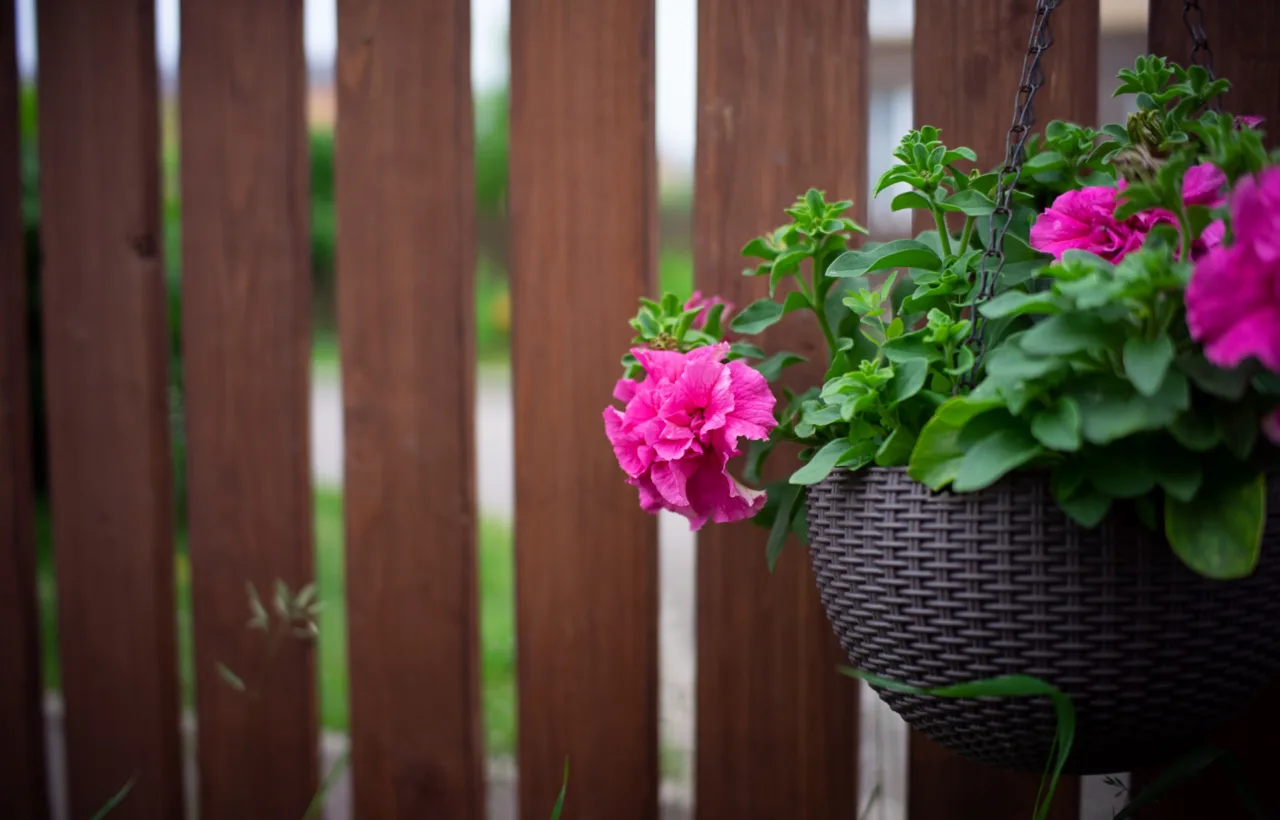
Petunias These cascade over the edges of my railing boxes like they own the place. They handle sun well and keep flowering if I deadhead them every few days. Colors range from deep purple to soft pink. I stick with the trailing varieties.
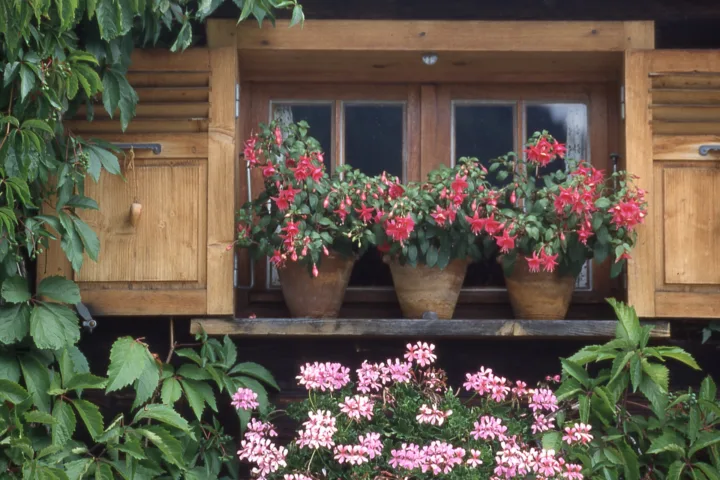
Geraniums Tough and bright. Mine survive wind better than most. The red ones look especially bold against the railing. I water them deeply but let the top soil dry a bit between drinks.
Marigolds I plant these near the edges because pests seem to hate them. Bonus: the orange and yellow blooms stay cheerful all season. They need decent sun and decent drainage.
Impatiens My shade spots love these. Soft pink and white ones fill the darker corners. They need more water than the sun lovers, so I group them together.
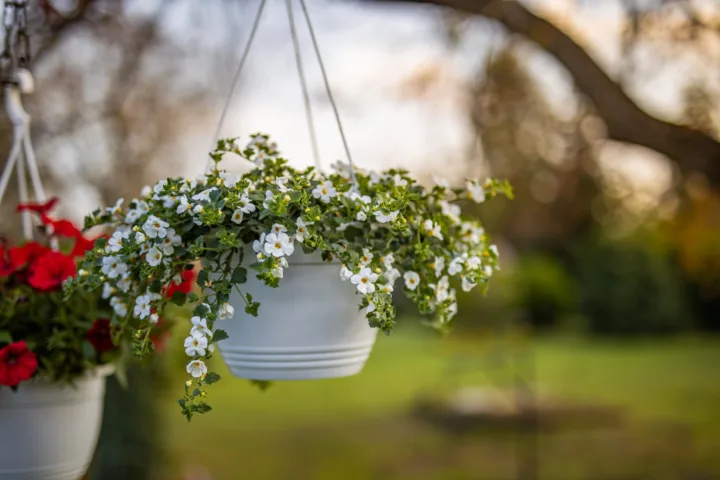
Nasturtiums Edible petals and a peppery kick. I grow them in hanging baskets. The vines trail nicely and the bees visit constantly.
Zinnias Compact types fit small pots. Bright colors and strong stems. I started these from seed last year and they delivered nonstop blooms.
I mix annuals for instant color with a couple of perennials that return. Lavender sits in one corner for fragrance and structure. See, the mix keeps the look interesting without overcrowding.
Choose based on your light first. Then check mature size. Compact or trailing types beat tall leggy ones every time on a balcony.
Use trailing petunias and nasturtiums at edges, compact zinnias in central pots, and lavender as a permanent anchor to create layers without blocking light.
Containers, Soil, and the Setup That Actually Works
Pots make or break the project. I learned that the hard way when cheap plastic ones cracked in the first freeze. Now I use a mix of resin, fabric grow bags, and a few sturdy ceramic pieces for weight.
Railing planters hang outside the edge and free up floor space. Wall shelves hold smaller pots in tiers. Hanging baskets drop from the ceiling hooks I installed myself. One large floor pot anchors the corner with a taller plant.
Drainage holes are non-negotiable. I drill extra if needed. Saucers catch the runoff so neighbors below stay dry. Soil needs to drain fast yet hold some moisture. I buy quality potting mix made for containers and skip garden dirt. Garden dirt packs down and kills roots in pots.
My go-to mix includes:
- Standard potting soil as the base
- A handful of perlite for air
- Slow-release fertilizer pellets mixed in at planting time
I refresh the top layer each spring and fully replace soil every two years. Plants stay happier that way.
Group pots by water needs. Thirsty ones sit together. Drought-tolerant ones get their own zone. That simple habit cut my watering time in half.
Fabric grow bags lose moisture faster than resin or ceramic, so place them with thirsty plants and reserve heavier pots for wind-exposed corners.
Daily and Weekly Care That Keeps Everything Blooming
Watering feels like the biggest chore at first. Pots dry out faster than ground beds. On hot days I check morning and evening. Stick a finger in the soil. If the top inch feels dry, water until it runs out the bottom.
I use a watering can with a long spout for precision. No hose up here. Early morning works best so leaves dry before night. Wet leaves overnight invite trouble.
Feeding matters more in containers because nutrients wash out. I use a balanced liquid fertilizer every two weeks during peak growth. Half strength keeps it gentle. Overfeeding burns roots. I learned that after one crispy batch of petunias.
Deadheading keeps blooms coming. Pinch off spent flowers with your fingers. It takes five minutes and makes a huge difference. I do it while I water.
Watch for pests. Aphids showed up one summer on my nasturtiums. A strong spray of water knocked most of them off. For stubborn cases I use insecticidal soap. I keep an eye on the undersides of leaves. Early catches stay easy.
Wind protection helps taller plants. I moved a couple of pots closer to the wall after one storm knocked them over. Stakes work for the occasional climber.
Apply liquid fertilizer to already-moist potting mix, not bone-dry soil, especially in small petunia containers where concentrated solution can scorch roots.
Common Problems I Ran Into and How I Fixed Them
Yellow leaves hit my geraniums once. Overwatering was the culprit. I cut back and improved drainage. They bounced back in a week.
Leggy growth means not enough light. I moved those pots to the sunnier side. Pinching the tips also encouraged bushier shape.
Sparse blooms often mean the plant needs more food or more deadheading. Sometimes it simply wants more sun. I adjust one thing at a time and watch the response.
Winter kills most of my annuals. I treat them as temporary color and plan for new starts each spring. The lavender and a couple of hardy herbs stay in place with some protection. I move the most delicate pots indoors if a hard freeze hits.
Space limits force creative choices. I rotate plants in and out of the prime spots. Some get their moment in the sun and then move to a holding area. It keeps the display fresh.
Balcony sun patterns shift with seasons, so recheck winter placement instead of treating your summer light map as permanent.
Expanding the Look Without Losing Floor Space
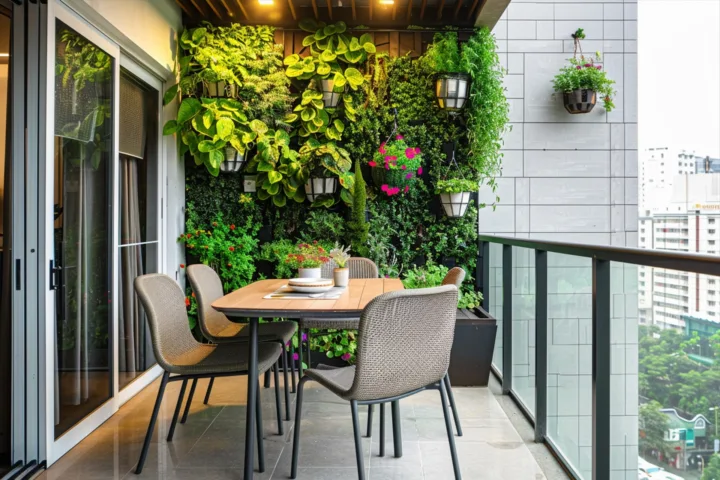
Vertical space became my best friend. I added a simple trellis against the wall for climbing vines. A couple of small shelves hold trailing plants that spill downward. Hooks for baskets multiply the growing area.
Color themes help the whole thing feel intentional. One season I went all soft pastels. Another year I mixed bold oranges and purples. Mixing foliage textures adds interest even when blooms slow down.
I tucked a small herb pot near the door for kitchen use. Basil and thyme sit right there. The scent hits me every time I step outside. Flowers and herbs share the space without fighting.
Pollinators show up once the blooms get going. Bees and the occasional butterfly visit. That unexpected bonus made the whole project feel bigger than just pretty flowers.
My Honest Take on What Matters Most
Consistency beats perfection. I missed watering days and lost a few plants. I overplanted and crowded roots. Each mistake taught me something useful. The balcony still looks better every year because I keep adjusting based on real results.
Start small if you feel overwhelmed. Two or three pots of reliable flowers build confidence fast. Add more once you understand your light and watering rhythm.
Choose plants that match your actual conditions instead of the ones that look prettiest at the store. That single rule saved me money and frustration.
Enjoy the process. Sitting out there with a coffee while the flowers open still feels like a small daily win. The effort pays back in color and calm.
Frequently Asked Questions
How much sun does a balcony flower garden really need? Most flowering plants want at least four to six hours of direct light. Track your specific balcony for a few days and match plants to those hours. Shade-tolerant options exist for the dimmer spots.
What are the easiest flowers for beginners on a balcony? Petunias, geraniums, and marigolds forgive a lot of beginner mistakes. They handle containers well and keep blooming with basic care. I started with those three and expanded from there.
How often should I water containers on a balcony? Check daily in hot weather. Water when the top inch of soil feels dry. Pots dry faster than ground gardens, so expect more frequent attention during summer heat.
Can I grow a balcony flower garden if I rent? Yes. Stick to containers and avoid permanent changes. Railing planters and freestanding pots work without drilling or altering the structure. Always check your lease for weight limits first.
Do I need special soil for balcony pots? Regular garden soil packs too tightly. Use a quality potting mix designed for containers. It drains better and stays lighter, which matters on elevated spaces.
I still walk out every morning and check on the blooms. Some days the wind has tossed a few petals around. Other days everything looks perfect. Either way, the color lifts my mood. Your balcony can do the same once you match plants to the real conditions and stay consistent with care. Grab a couple of pots this weekend and start with something simple. The rest grows from there.