
I used to stare at my north-facing balcony and feel defeated. Concrete. Railings. Almost zero direct sun. I wanted a shady balcony garden so badly it hurt, but every plant I tried just sulked and died.
Honestly? I nearly gave up after the third round of crispy leaves.
Then I stopped fighting the shade and started working with it. That shift changed everything. Now my little outdoor space stays green and full of life most of the year. You can do the same. I’m going to walk you through exactly what worked for me, the mistakes I made, and the plants that finally thrived.
Why Most People Struggle With a Shady Balcony Garden
Shade feels like a limitation at first. I thought it was. My balcony gets maybe two hours of soft morning light if I’m lucky. The rest of the day it sits in that cool, gray light that makes most flowers look depressed.
See, the real problem isn’t the lack of sun. It’s choosing the wrong plants and treating them like they live in full sun. Overwatering kills more shade plants than anything else in my experience. Roots sit wet. Fungus moves in. Game over.
I learned to check the soil with my finger every time. If it felt damp an inch down, I left it alone. That simple habit saved more plants than any fancy fertilizer ever did.
Wind is another sneaky issue on balconies. Even shady ones catch gusts that dry pots out fast. I started grouping containers together so they protected each other. Instant improvement.
The Plants That Actually Survive (and Look Good) in Low Light
I tried a lot of things. Some flopped hard. Others became the backbone of my setup. Here’s what I keep coming back to.
Build lushness through contrast: pair upright foliage with trailing leaves and fernlike textures, since low light may limit dependable flowering.
Foliage First: The Reliable Green Machines
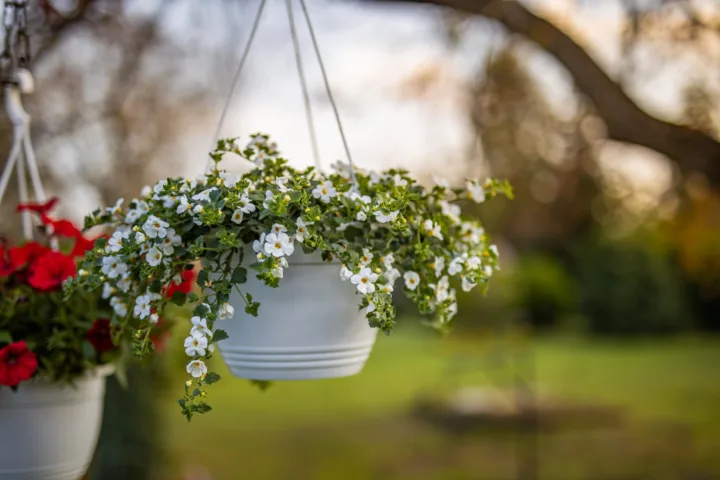
Ferns became my best friends. Boston ferns and maidenhair types love the cooler, moister air that hangs around a shaded balcony. I keep them in hanging baskets so they cascade over the railing. They make the whole space feel softer.
Hostas work too if you pick the smaller varieties. Their big leaves look dramatic in a pot. Just watch for slugs. I lost one plant to those little monsters before I started checking at night with a flashlight.
Coleus shocked me. I always thought of it as a sun plant, but the darker-leaved kinds handle shade beautifully. The colors stay rich without burning. I mix a few different ones for contrast.
Flowers That Don’t Need Full Sun
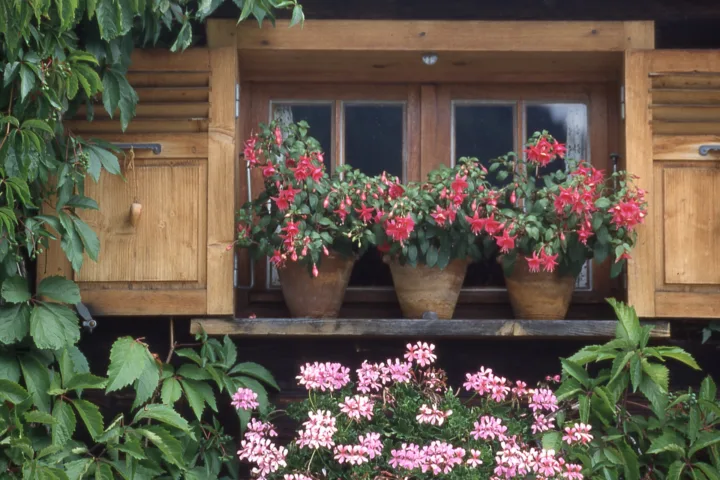
Fuchsias still make me smile. Those dangling blooms look fancy, but the plants stay happy with filtered light. I water them consistently and they reward me with color for months.
Begonias earned a permanent spot. The ones with waxy leaves handle cooler nights better than I expected. Impatiens (the New Guinea types especially) fill gaps fast and keep flowering even when the light is weak.
Hydrangeas in containers surprised me the most. A compact variety sits in the corner and produces big mop-head blooms. I keep the soil evenly moist and it performs.
Herbs and Edibles That Tolerate Shade
Mint spreads like crazy, so I contain it in its own pot. It still grows strong with limited light. Parsley and chives do decently too. I harvest them regularly and they bounce back.
I tried lettuce and spinach one spring. They grew slowly but gave me a few salads. Not a huge harvest, but enough to feel productive.
Setting Up Containers the Smart Way
Soil choice matters more than I first realized. Regular garden soil stays too dense in pots. I now use a light potting mix with extra perlite mixed in. Drainage holes are non-negotiable. I drill extra ones if the pot only has one.
Size counts. Tiny pots dry out or overheat even in shade. I mostly use 12- to 16-inch containers. Bigger roots mean stronger plants.
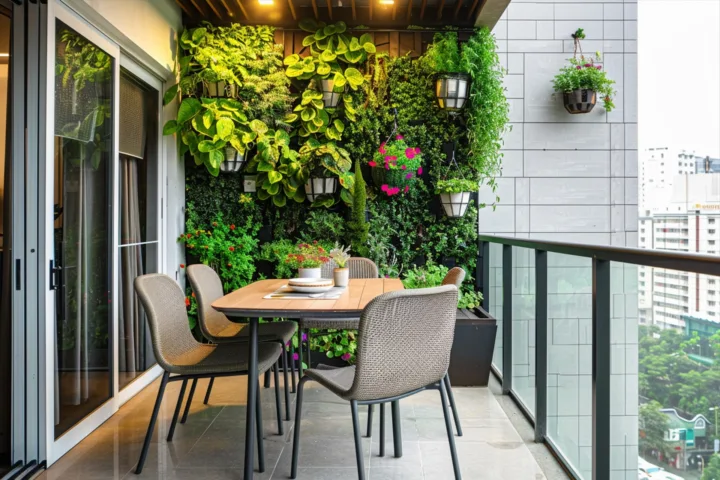
I stack and hang wherever possible. Vertical space turns a small balcony into something that feels fuller. Wall planters hold ivy and smaller ferns. A simple trellis supports a climbing hydrangea that slowly covers the railing.
Watering schedule shifted once I accepted the shade. Most of my plants need water every three to five days in summer, less in cooler months. I stick my finger in the soil. That beats any rigid calendar.
Fertilizer stays light. A diluted liquid feed every three weeks during the growing season is plenty. Too much salt builds up in containers and stresses shade plants.
Keep heavier 12- to 16-inch containers low, and verify railing hardware’s load rating before hanging planters or adding a trellis.
Design Tricks That Make a Small Shady Space Feel Bigger
I used to cram everything in. It looked chaotic. Now I follow a simple rule: tall in the back or corners, cascading plants at the edges, and a few statement pots in the middle.
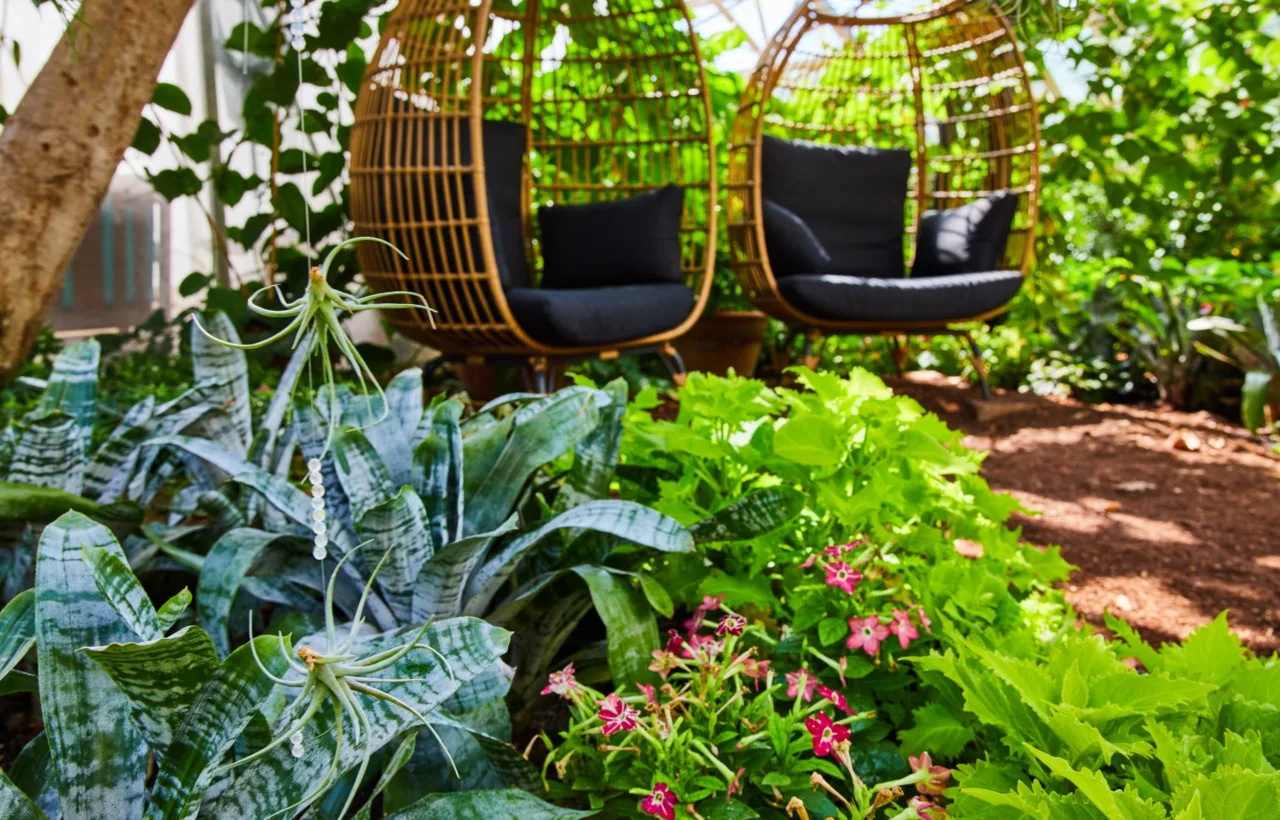
Texture beats color sometimes. Mixing fine fern fronds with bold hosta leaves creates interest even when nothing is blooming. I add a couple of light-colored pots to bounce what little light there is around.
Furniture stays minimal. One comfortable chair and a small side table. The plants do the rest of the talking.
I string a few soft outdoor lights for evenings. The glow makes the green leaves look richer after dark.
Mistakes I Made So You Don’t Have To
I bought plants purely because they looked pretty at the nursery. Half of them needed more sun than my balcony could give. Now I read the tags carefully and ask about light requirements before I spend money.
I overwatered constantly at the beginning. The soil stayed soggy and roots rotted. Letting the top inch dry out fixed that.
I ignored the wind. Pots tipped. Leaves shredded. Grouping everything closer and using heavier containers solved it.
I also waited too long to repot. Roots circling the bottom of the pot stunt growth. Every spring I check and move plants up a size if needed.
Seasonal Adjustments for Year-Round Interest
Spring is planting and watching new growth. Summer means consistent watering and occasional pinching to keep plants bushy. Fall is when I cut back the spent flowers and move the hardiest plants closer to the wall for protection.
Winter tests everything. I bring the most tender pots inside if temperatures drop hard. The tougher ferns and ivy stay out under a light frost cloth on the coldest nights. Some years I lose a few. That’s part of the deal.
I keep a couple of evergreen options like ivy and a small boxwood so the balcony never looks completely bare.
Frequently Asked Questions
Can I grow vegetables in a shady balcony garden? Some leafy greens like lettuce, spinach, and kale manage okay with limited light. Root crops and fruiting plants usually need more sun than most shady balconies provide. I stick to herbs and greens for the best chance of success.
How often should I water plants in shade? Less than you think. I check the soil every few days and water only when the top inch feels dry. Shade keeps moisture around longer, so overwatering is the bigger risk.
What if my balcony gets a little morning sun? That’s actually ideal for many shade-tolerant plants. The soft early light helps without scorching leaves. I position my hungrier plants where that morning sun hits them first.
Do I need special soil for containers in low light? A good quality potting mix with solid drainage works best. I add extra perlite so water doesn’t sit around the roots. Regular garden dirt stays too heavy and holds too much moisture.
How do I keep pests away without harsh chemicals? I inspect plants weekly and pick off any aphids or snails by hand. A strong spray of water usually knocks soft-bodied pests off. For persistent issues I use a mild soap spray I mix myself.
Final Thoughts From My Own Railings
Building a shady balcony garden taught me patience. I stopped forcing sun-loving plants into a space that couldn’t support them. Once I chose the right ones and adjusted my care routine, the whole balcony came alive.
The space feels calm now. I sit out there with coffee most mornings and just look at the green. It still doesn’t get much direct sun. It doesn’t need to.
Start small. Pick two or three reliable plants. Get the watering right. Add more only when those first ones prove they like the conditions. Messy progress beats a perfect plan that never leaves the notebook.
Your shady balcony can become the quiet green corner you actually use. Mine did. Yours can too.