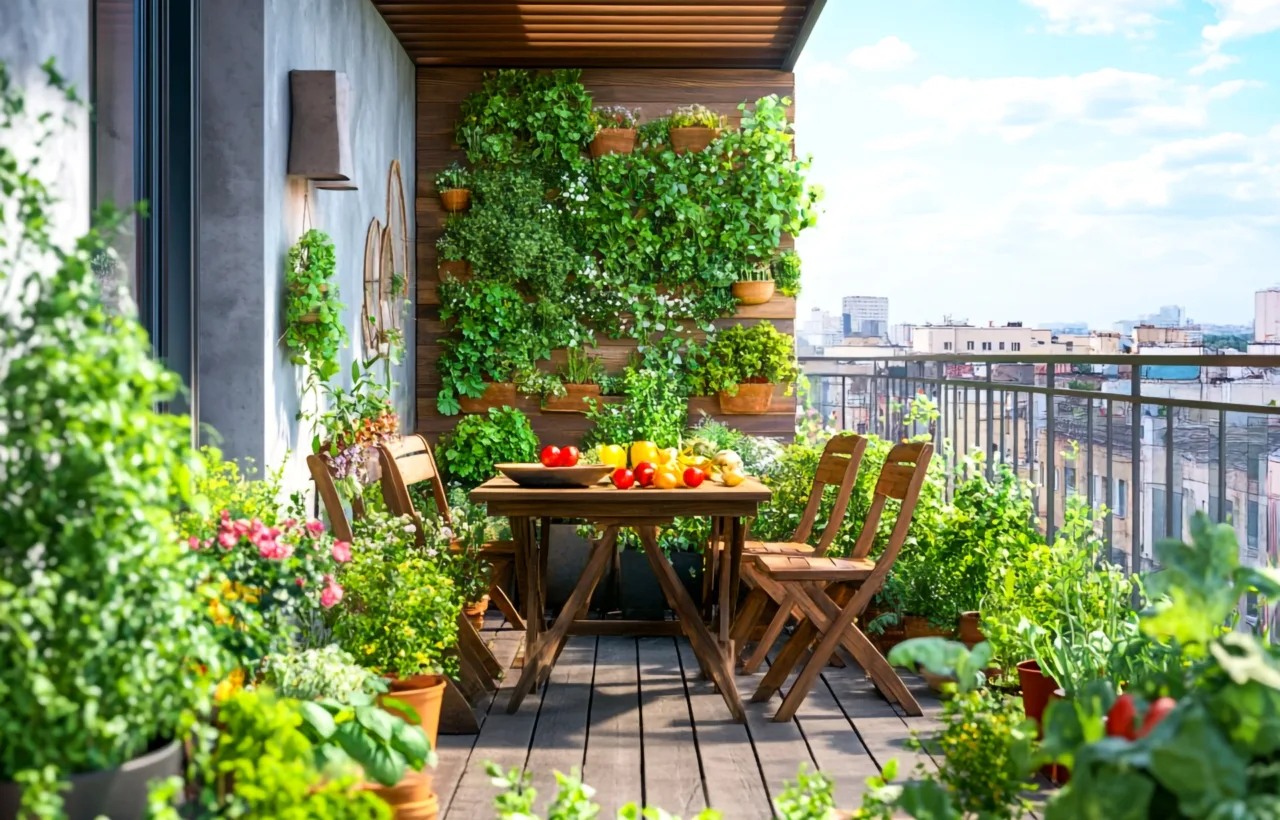

I spent three summers staring at a bare concrete slab and calling it outdoor space. My balcony measured maybe six by four feet. Wind whipped through it. Sun hit hard for half the day then vanished. I wanted green everywhere. Not a few sad pots. A real lush balcony garden that felt like a private jungle in the middle of the city.
I failed the first two tries. Plants died. Soil spilled. I almost quit. Honestly? The third attempt stuck because I stopped copying perfect Instagram photos and started working with what I actually had.
See, most people treat balcony gardening like backyard gardening shrunk down. That approach fails. Floor space is the wrong question. Vertical space is the right one.
Why Most Balcony Gardens Stay Sparse
I used to buy one big plant and hope it filled the view. It never did. A single specimen sits there looking lonely. The eye needs layers. Height. Trailing stuff. Density.
Wind is the silent killer. My first batch of leafy plants shredded in a week. Sun exposure changes hour by hour. One corner bakes. The other stays damp. I learned this the hard way after losing a whole tray of basil.
Weight limits matter too. My building has rules. Heavy ceramic pots were out. I switched to lightweight options early and never looked back.
Assessing Your Actual Conditions First
Don’t buy a single plant until you watch the space for a full day.
I sat out there with a notebook. Morning light. Afternoon intensity. Evening shade. Wind direction. I noted where the railing blocked sun and where the wall reflected heat.
Key things I checked:
- Hours of direct sun versus filtered light
- Prevailing wind strength
- Weight capacity of the floor and railing
- Water access (mine is a single outdoor faucet)
That simple observation changed everything. I stopped fighting the conditions and matched plants to them.
A wall-facing balcony can create scorching reflected heat, so heat-sensitive plants may need shade even when direct-sun hours seem moderate.
Building Layers for That Full, Dense Look
A lush balcony garden needs height, middle, and low. Plus things that spill over the edge.
Tall and Narrow Anchors
I started with two tall narrow plants in the back corners. Bamboo palm and a slim dracaena. They give vertical presence without eating floor space. On sunny days I rotate in a small flowering hibiscus trained as a standard. It adds color at eye level.
Mid-Level Fills
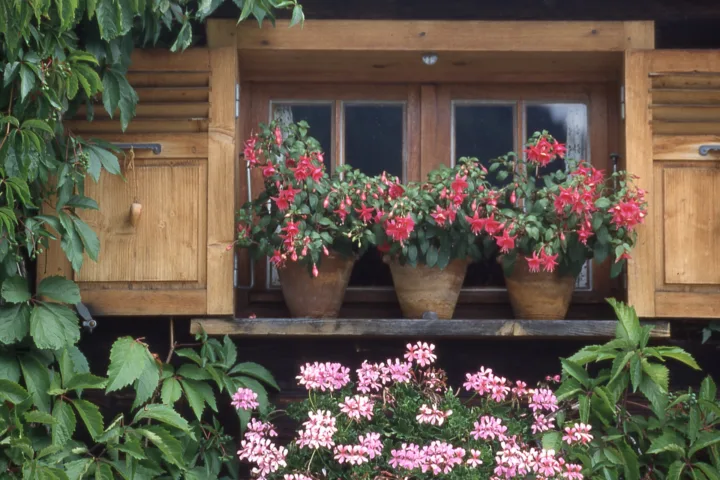
Plant stands became my best purchase. Three different heights. I stacked compact growers: coleus for foliage color, geraniums for continuous bloom, and a couple of patio tomatoes. One stand even lets me tuck a second pot underneath. Double the plants in the same footprint.
Trailing and Hanging Pieces
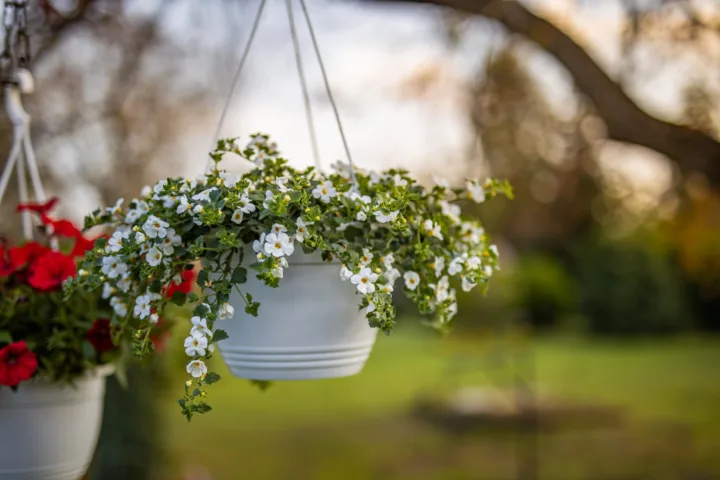
This is where the lush feeling really hits. I hung three baskets from ceiling hooks. Kimberly queen ferns and trailing pothos. On the railing I clipped lightweight planters full of petunias and sweet potato vine. They spill outward and soften every hard edge.
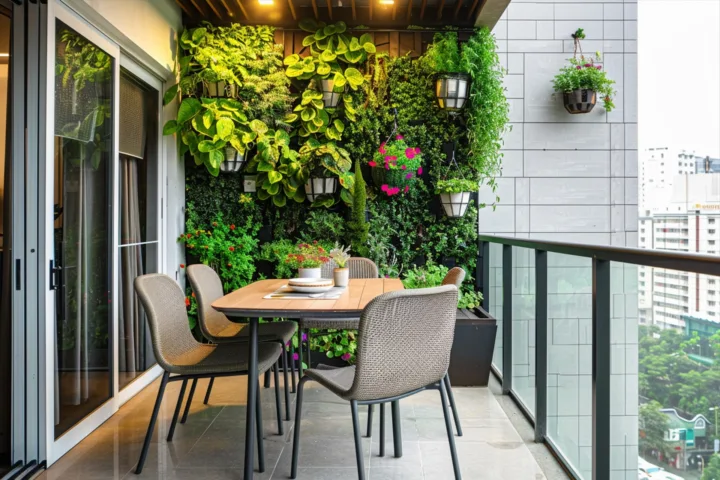
Wall space counts too. I screwed in a couple of narrow shelves for small succulents and mounted one staghorn fern on a board. Instant vertical garden without floor cost.
Plant Choices That Actually Survive City Balconies
I tried delicate things first. Mistake. Now I stick to tough performers.
Sun-loving winners I keep coming back to:
- Geraniums and lantana for constant color
- Compact tomatoes and peppers for edible payoff
- Herbs like rosemary and thyme that handle heat and wind
Shade or partial-shade workhorses:
- Ferns (Kimberly queen especially)
- Begonias and impatiens
- Pothos and spider plants that trail forever
Succulents fill the gaps. They need almost nothing and add texture. I group them in shallow trays on the table.
IMO the single best rule: one plant per pot. Crowding looks busy for a week then everything competes and weakens. Give each plant its own container and the whole display stays healthier.
Containers and Practical Details That Keep It Looking Good
Lightweight plastic and resin pots saved me. I still use a few terracotta for looks, but only the smaller ones. Every pot gets a saucer. Water runoff onto the neighbor below is a quick way to get complaints.
I mix my own soil now. Regular potting mix plus a handful of compost and some perlite for drainage. City water can be hard, so I let it sit overnight when I remember.
Watering routine is simple. Morning checks. Finger in the soil. If the top inch is dry, I water thoroughly until it runs out the bottom. Evening watering in peak summer heat. I fertilize every two weeks with a diluted liquid feed during active growth.
Pruning keeps things dense instead of leggy. I pinch tips regularly. Deadhead flowers. Remove yellow leaves the day I see them. Pests show up sometimes. Aphids mostly. A strong spray of water or insecticidal soap handles them without drama.
Group containers by moisture needs, so your morning finger test does not force thirsty foliage and drought-tolerant plants into the same schedule.
Making It Feel Like a Real Retreat
Plants alone are not enough. I added a small fold-up chair and a side table that holds a mug and a book. A outdoor rug softens the concrete underfoot. One string of soft lights for evening.
The goal is a place I actually want to sit. Not just look at from inside. On good days I eat breakfast out there surrounded by leaves. That daily contact is the whole point.
Common Mistakes I Still See (And Made Myself)
Buying too many plants at once. Overwhelm hits fast. Start with five solid ones and expand.
Ignoring wind. Even a simple screen or denser planting on the windward side helps.
Forgetting winter. In cold climates most of my tropicals come inside. I leave only the toughest pots out and protect them.
Overwatering because the soil looks dry on top. Always check deeper.
Frequently Asked Questions
How much sun does a lush balcony garden really need? It depends on the plants you choose. Full sun plants want six hours. Plenty of lush options thrive in three to four hours of bright indirect light. Match the plant to the spot you have.
Can I grow vegetables in a small balcony setup? Yes. Compact tomatoes, peppers, and leafy greens do well in containers. I harvest salad leaves and cherry tomatoes most summers. Just give them the sunniest corner and consistent water.
What if my building has strict weight or railing rules? Lightweight pots and hanging systems solve most of it. I stick to plastic and fabric growers. Rail planters that clamp without drilling work on many buildings. Check the rules once and design around them.
How do I keep the garden looking full year-round? Rotate seasonal color. Evergreen foliage plants form the backbone. I swap annuals and flowering pots as the seasons change. In winter the structure of the greenery still reads as lush even without blooms.
Is a lush balcony garden high maintenance? It does not have to be. Choose tough plants, water on a simple schedule, and prune lightly every week or two. My current setup takes about twenty minutes a few times a week once established.
Final Thoughts From My Railing
I still walk out some mornings and stop short. The green is thicker than I ever expected on this tiny platform. Leaves brush my arm when I sit down. The city noise drops a notch behind the plants.
You do not need a big yard or perfect conditions. You need layers, the right plants for your light and wind, and a willingness to adjust as you go. Start with the vertical space. Build density instead of width. Keep the plants healthy with basic care.
My balcony went from empty slab to the spot I head for first thing. Yours can do the same. Grab a couple of stands and a few tough plants this weekend. See how it feels when the green starts closing in around you.