
Finding the best compost bin turned my messy backyard pile into something that actually works. I spent two summers dealing with open heaps that attracted pests and took forever to break down. That frustration pushed me to test real options until I landed on setups that fit real life.
You want results without the headache. I get it. My first attempts left me with slimy kitchen scraps and a spouse who banned compost talk at dinner. Then I switched systems and the difference hit hard.
This guide shares what I learned after years of trial and error. No theory dumps. Just practical notes from someone who still turns the pile on weekends.
Why a Solid Compost Bin Beats an Open Pile Every Time
Open piles look simple. They fail fast in most yards. Rain soaks everything. Animals dig in. Neighbors notice the odor when the wind shifts.
A good bin contains the mess. It holds heat better. It keeps pests out. It speeds up the breakdown process when you manage the mix right.
I switched after raccoons tore through my third open pile. The bin I chose now sits quietly against the fence. Kitchen scraps go in. Finished compost comes out a few months later. No drama.
Honestly? Containment changes everything. You control moisture. You control air flow. You control who gets access.
See, the best compost bin does not need constant babysitting. It just needs the right design for your space and habits.
Types of Compost Bins Worth Considering
I tested four main styles over five years. Each has strengths. Each has clear limits. Pick based on your yard size, how much waste you produce, and how much effort you want to put in.
Tumblers speed up composting by aerating with every turn, but they need more frequent watering than stationary bins.
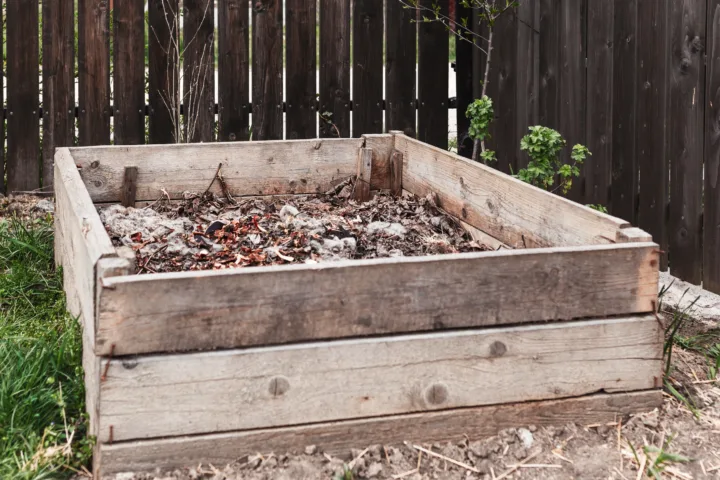
Stationary Bins
These stay put. You add materials from the top and harvest from a door at the bottom or by emptying the whole thing.
I used a basic plastic stationary model for two seasons. It held a lot. It stayed cooler than I liked in winter. Turning required a pitchfork and some muscle.
Pros include large capacity and lower price. Cons include slower breakdown and more physical work.
Tumbling Composters
These spin. You load them and rotate the drum every few days.
My current favorite is a dual-chamber tumbler. One side cooks while I fill the other. Rotation mixes everything without heavy lifting. The process finishes faster because air reaches more of the material.
I saw finished compost in about eight weeks during warm weather. That speed sold me. The unit cost more up front. It paid off in less labor and better results.
Worm Bins (Vermicomposting)
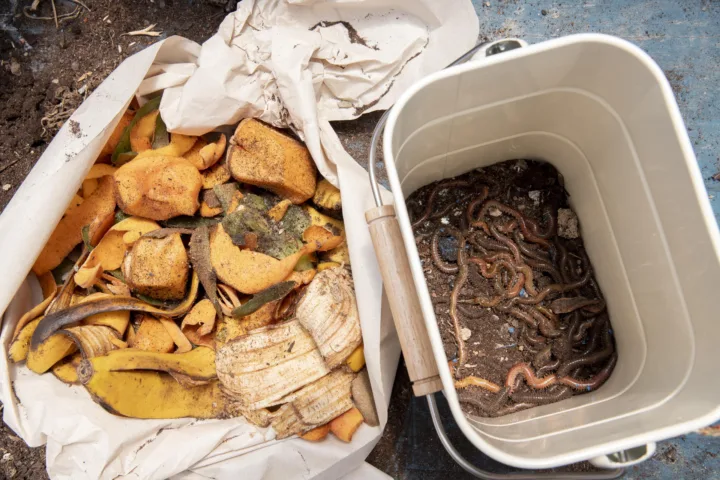
These use red wigglers to process scraps. They work indoors or on a covered porch.
I kept one under the kitchen sink for a year. It handled fruit and veggie scraps cleanly. It produced rich castings. It needed careful feeding to avoid fruit flies.
Great for apartments or small spaces. Not ideal if you generate large volumes of yard waste.
Bokashi Systems
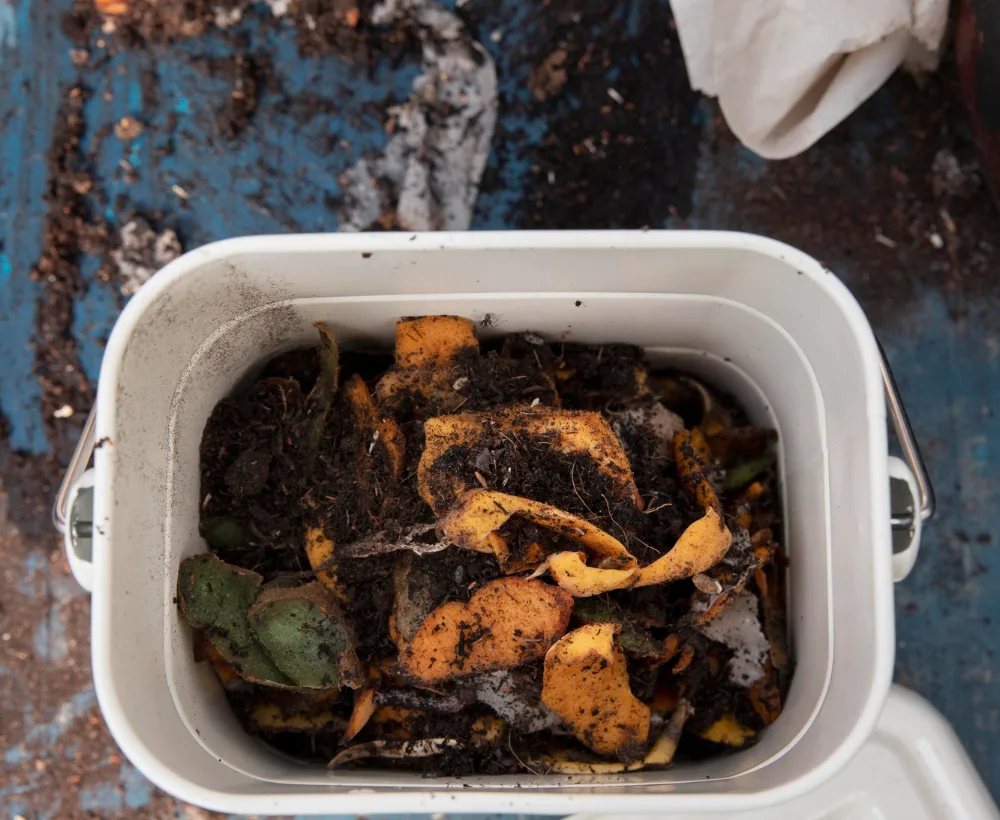
These ferment scraps with bran and microbes in an airtight bucket. You bury the pre-compost later or add it to a traditional bin.
I tried this during winter when outdoor bins slowed down. It handled cooked food and dairy that other systems reject. The smell stayed contained if you sealed the lid properly.
Useful as a side system. Not a full replacement for outdoor volume.
Key Features That Separate Decent Bins from Great Ones
Not every bin earns a permanent spot in the yard. Certain details decide whether you stick with it or abandon it after one season.
Look for these:
- Solid construction that resists cracking. Cheap plastic warps in sun and cold. I replaced one unit after the first hard freeze because the sides split.
- Good airflow without open gaps for pests. Vents or mesh panels help oxygen move. Solid walls with smart vents work better than wide gaps that invite rodents.
- Easy access for adding and removing material. Top lids that stay open while you dump scraps save time. Bottom doors or dual chambers make harvesting cleaner.
- Size matched to your waste volume. Too small and you overflow. Too large and the pile stays cold. My dual-chamber unit holds about 70 gallons total. That fits a family of four plus moderate yard waste.
- Weather resistance. UV-stabilized plastic or sturdy wood lasts longer. Metal options exist but they can rust or get too hot.
I ignored capacity once and ended up with a bin that filled in three weeks. Lesson learned. Measure your weekly scrap volume before you buy.
How I Choose the Best Compost Bin for Different Situations
Space and lifestyle matter more than brand names. Here is how I match bins to real needs.
For small yards or balconies I go with a compact tumbler or worm bin. Both fit tight spaces and keep odors controlled.
For families with kids and frequent cooking I recommend a dual-chamber tumbler. You keep adding fresh material without disturbing the cooking side. Kids can help spin it. That turns chore time into a short activity.
For serious gardeners with lots of leaves and grass I still keep a large stationary bin as a secondary unit. It handles bulk yard waste while the tumbler processes kitchen scraps faster.
Budget plays a role too. Entry-level stationary bins start lower. Quality tumblers cost more but reduce the work that makes people quit.
IMO the dual-chamber tumbler wins for most people who want reliable results without heavy lifting. It balances speed, capacity, and ease better than the others I tested.
For a dual-chamber tumbler, load one side fully first then start the other. This ensures a steady supply of finished compost.
Common Mistakes That Ruin Even the Best Compost Bin
People buy solid equipment and still struggle. The problems usually come from habits, not hardware.
Adding only kitchen scraps creates a wet, smelly mess. Balance green materials (scraps, grass) with brown ones (leaves, cardboard, shredded paper). I keep a bag of dry leaves next to the bin year-round for this reason.
Overwatering or underwatering kills progress. The mix should feel like a wrung-out sponge. I check by grabbing a handful every week or two.
Failing to turn or rotate slows everything. Even a stationary bin needs occasional mixing. Tumblers make this almost effortless.
Ignoring particle size wastes time. Large chunks take longer to break down. I chop bigger scraps with kitchen shears before they go in.
These habits matter more than the bin model. Fix them and average equipment performs well. Ignore them and premium gear disappoints.
Real Results From My Current Setup
My dual-chamber tumbler sits on a flat gravel pad near the garden. I add scraps daily. I spin it three or four times a week. Finished material comes out dark and crumbly.
I use that compost on vegetable beds and flower borders. Tomato plants respond with stronger growth and fewer issues. The soil holds moisture better through dry spells.
Last fall I harvested enough to top-dress the entire front bed. The difference showed in spring. Healthier plants. Less need for store-bought fertilizer.
That payoff keeps me consistent. A bin that delivers usable compost makes the effort feel worthwhile.
Frequently Asked Questions
What size is the best compost bin for a family of four? A dual-chamber unit around 60 to 80 gallons total capacity handles typical kitchen and light yard waste without constant emptying. Smaller bins force more frequent harvesting.
Do I need a tumbler or will a stationary bin work fine? A stationary bin works if you accept slower results and more manual turning. A tumbler cuts the labor and speeds the process for most home users.
How long does it take to get finished compost? With a good mix and regular turning you can expect usable material in 6 to 12 weeks during warm months. Cooler weather stretches that timeline.
Can the best compost bin handle meat and dairy? Most outdoor bins struggle with those items and can attract pests. Bokashi systems handle them better through fermentation before you bury the material.
Where should I place my compost bin? Pick a level spot with partial shade and easy access from the kitchen. Too much direct sun dries the pile. Full shade keeps it too cool.
Final Thoughts on Picking Your Bin
The best compost bin is the one you actually use. Fancy features mean nothing if the unit sits empty because it feels like work.
Start with your real constraints. Measure the space. Estimate weekly scraps. Decide how much physical effort fits your routine. Then match the design to those facts.
I wasted money on two bins before I got honest about my own habits. The third choice stuck because it matched how I live. Yours can do the same.
Go test a few options if you can. Talk to neighbors who already compost. Watch how different systems behave in your climate. Then commit to one and stick with the simple habits that make it produce.
Your garden soil will thank you. So will the part of you that hates throwing food scraps in the trash.