
I built my first compost sifter on a rainy Saturday when my garden beds looked like a chunky mess. Unfinished twigs, eggshells, and mystery bits ruined the smooth soil I wanted for seedlings. That day changed everything for my compost routine.
A good compost sifter turns rough, half-done piles into fine, garden-ready gold. I use mine every spring and fall now. It saves time. It makes better soil. And honestly? It feels weirdly satisfying.
You know that moment when you dump finished compost and it just sits there lumpy? Yeah. The sifter fixes that fast.
Why You Need a Compost Sifter in Your Garden
I used to skip this step. Big mistake.
Raw compost works fine for mulching big beds. But for seed starting, potting mixes, or top-dressing delicate plants, lumps create problems. Roots struggle. Water pools. Weeds sneak in with the big pieces.
Sifting separates the good stuff from the leftovers. Finished compost falls through. Chunks stay on top. You toss those chunks right back into the active pile. They keep breaking down. Nothing wastes.
I noticed my tomato seedlings took off faster once I switched to sifted mix. Stronger stems. Fewer damping-off issues. The difference showed up in weeks.
Plus, the act of shaking or rolling aerates everything. Fresh air hits the microbes. Your compost stays alive longer.
See, a lot of folks think compost is ready when it looks dark. I think that’s the wrong way to go about it. Ready means it passes through your screen clean.
Different Types of Compost Sifters
Not every sifter fits every yard. I tried three styles before I settled.
Most home composters prefer a stationary screen sifter for small batches under 5 cubic feet.
Handheld Frame Sifters
These are the simple ones. Wooden or metal frames with mesh bottoms. You hold the handles and shake over a wheelbarrow.
I started here. Cheap. Easy to store. Great for small batches.
Pros:
- Lightweight
- Costs under $30 usually
- Fits right on a bucket or barrow
Cons:
- Arm workout after ten minutes
- Slow for big piles
My first one came from Achla Designs. Stainless steel. Stackable. Still going strong after four seasons.
Rotary Trommel Sifters
These spin. You crank a handle or let a motor turn a drum lined with mesh. Compost tumbles. Fines fall out the bottom. Overs drop out the end.
I borrowed one from a neighbor last year. Wow. Four or five times faster. Almost no back strain.
Perfect if you process yards of material. Or if your shoulders already hate you from digging.
DIY Wooden Screen Sifters
This is my daily driver now. I built it for about $15.
Two-by-fours. Hardware cloth. Screws. Done in an hour.
I sized mine to sit snug on my wheelbarrow. Half-inch mesh for most jobs. Quarter-inch when I need super fine potting soil.
You control every detail. Mesh size. Frame height. Handles or no handles.
IMO, the DIY version wins for most home gardeners. Custom. Cheap. Durable if you use treated wood or paint it.
How to Choose the Right Mesh Size
Mesh matters more than people admit.
Half-inch hardware cloth works for general garden beds. Lets through nice crumbly bits. Catches the big sticks and avocado pits.
Quarter-inch shines for seed starting and potting mixes. Super fine. Almost powdery. Plants love it.
Three-quarter or one-inch suits rough mulch or heavy clay soils. You want some structure left in.
I keep two screens ready. Swap them based on the job. Takes thirty seconds.
Test a handful first. If too much stays on top, go bigger mesh. If everything falls through including junk, go smaller.
Building Your Own DIY Compost Sifter
I almost quit mid-build the first time. The hardware cloth fought me. Honestly? The third cut nearly stuck.
Here’s what worked.
Grab these:
- Four pieces of 2×4, cut to your preferred size (mine is 24 by 36 inches)
- Half-inch or quarter-inch galvanized hardware cloth
- Wood screws or nails
- Staple gun or fencing staples
- Optional: handles from an old tool
Cut the wood into a rectangle. Screw the corners tight. Lay the mesh over. Staple every few inches. Fold the edges under so nothing snags your hands or gloves.
I added cross braces underneath for strength. Then I painted the whole thing with leftover deck stain. Rain slides right off.
Total cost: under twenty bucks if you scavenge wood.
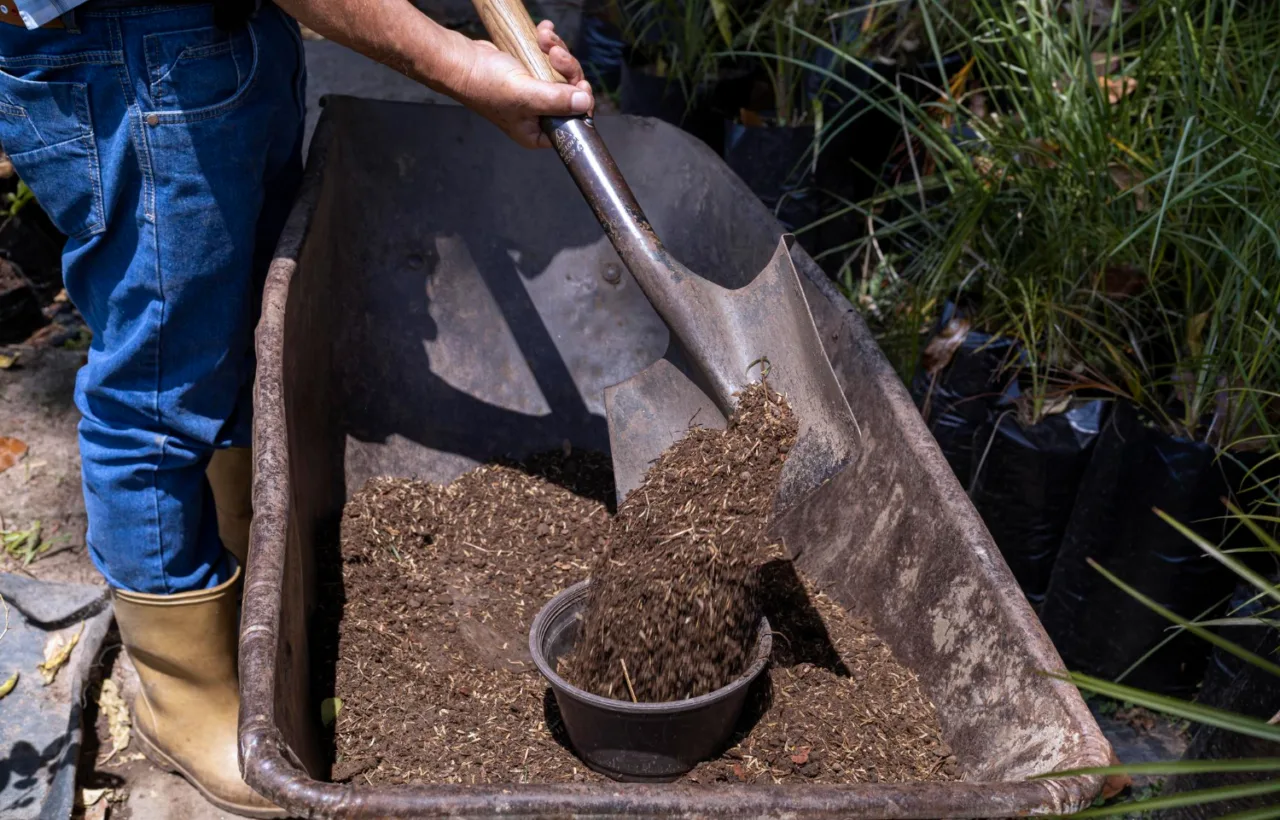
Use it the same day. Dump a shovel load. Shake side to side. Watch the magic happen.
The leftovers? Straight back to the pile. They finish next round.
Wear gloves when cutting hardware cloth; sharp edges can cause deep cuts.
Step-by-Step Guide to Using a Compost Sifter
Don’t overthink it.
- Park your wheelbarrow or tarp under the sifter.
- Scoop finished compost onto the screen. Not too much at once.
- Shake, rock, or roll. Let gravity and motion do the work.
- Stop when only the big pieces remain.
- Dump the overs back into your active bin.
- Scoop the fine compost into bags or beds.
I work in batches. One barrow at a time. Music on. Gloves optional if the mesh is smooth eth.
Pro tip: Sift when the compost is slightly moist. Not soaking. Dry dust flies everywhere. Wet clumps stick.
I once tried sifting bone-dry material on a windy day. Bad idea. Looked like a dirt tornado hit my driveway.
Commercial Options Worth Considering
Sometimes DIY feels like too much hassle. I get it.
The Achla Designs screen sits at the top for me. Sturdy stainless. Handles that don’t dig into palms. Stacks for storage.
For bigger jobs, the Dootiva rotary model spins smooth. Less elbow grease. Higher price, but it pays back in saved time and fewer chiropractor visits.
SE stackable pans work great if you want portable and multi-size. Nest them. Take them to community gardens.
I own the Achla and the DIY. Use both. The commercial one travels to friends’ places. The homemade stays home.
Compare honestly. Commercial lasts longer out of the box. DIY costs less and fits your exact needs. Pick based on how much compost you move each year.
Common Mistakes I Made (So You Don’t Have To)
I dumped wet compost first. It clogged the mesh like glue. Had to hose everything down. Lesson learned.
I used too-fine mesh for everything. Progress crawled. Switched to half-inch for bulk and never looked back.
I forgot to return the overs. They sat in a sad pile. Now I keep a dedicated “return” bin right next to the sifter.
I shook too hard at first. Compost flew. Neighbors got free soil amendments. Gentle rhythm wins.
And I stored it flat on the ground. Rust started. Now it hangs on the shed wall.
Tips for Getting the Most Out of Your Compost Sifter
Work with a buddy when possible. One dumps. One shakes. Goes twice as fast. Laughs more too.
Clean the mesh after every session. A stiff brush or hose keeps holes open.
Mix sifted compost with equal parts sand or perlite for seed trays. Perfect texture every time.
Use the fine stuff as a top dress right before rain. It settles in and feeds roots fast.
Store leftovers in covered bins. Label the date. Fresh sifted compost stays potent longer.
FYI, sifting also reveals contaminants. Plastic bits. Twist ties. Rocks. You pull them out before they hit the beds. Cleaner garden.
I once found an old bottle cap that way. Who knows how long it had been in the pile.
Real Results From My Garden
Before the sifter, my raised beds needed constant weeding and amending. After? Soil stays loose. Drainage improves. Plants root deeper.
My pepper harvest jumped twenty percent the first year. Coincidence? Maybe. But the sifted compost went on every plant. I credit the tool.
Friends started asking for help. I brought the sifter over. We made an afternoon of it. Good dirt. Better conversation.
The biggest win: less buying of bagged soil. I make my own now. Saves money. Feels better.
Frequently Asked Questions
Do I have to sift every batch of compost? No. Bulk mulching skips it fine. Save the compost sifter for seed starting, potting, or when you want that polished look in fancy beds.
What size mesh should a beginner start with? Half-inch hardware cloth. It balances speed and quality. You can always add a finer screen later.
Can I sift wet compost? You can, but it sticks and slows everything. Wait until it feels like a wrung-out sponge. Works smoother.
How often should I clean my compost sifter? After every use if possible. A quick rinse prevents buildup and rust. Takes one minute.
Is a rotary sifter worth the extra money? If you process more than a few wheelbarrows a season or deal with back issues, yes. Otherwise the simple frame does the job great.
Final Thoughts on Making Compost Magic Happen
A compost sifter turns good compost into great compost. Simple as that.
I went from frustrated gardener dumping lumpy piles to someone who actually looks forward to sifting day. The fine black gold that falls through feels like treasure every single time.
Build one. Buy one. Just get one. Your plants will thank you. Your back might complain a little at first, but the results silence that fast.
Grab some hardware cloth this weekend. Make the frame. Dump that first shovel. Watch the transformation.
Your garden beds will never look the same. And neither will you.