
Good pool planting ideas start with plants that can take heat, splash, and reflected glare without dumping leaves into the water. Choose low-litter, shallow-rooted plants with thick or waxy leaves, then place them by job: screening farther back, softer plants near seating, and pots on the deck if the hardscape is already finished.
That order matters more than any Pinterest mood board. A plant that looks lush in a photo can clog a skimmer by July, scorch in reflected sun, or send roots toward plumbing. Get the constraints right first, and the pretty part gets easier.
Start With What a Pool Plant Has to Survive
A pool deck is not a regular garden bed. Stone and concrete bounce heat. Treated water lands on leaves. Wind funnels through open yards. Foot traffic stays close to the planting line.
A plant earns its spot if it can do most of these things:
- Hold its foliage instead of shedding all summer
- Tolerate chlorine or salt splash without browning overnight
- Stay off the pool shell, liner, and buried pipes
- Leave walkways free of thorns, sticky fruit, and seed pods
- Match your USDA hardiness zone if it will live in the ground year-round
Waxy, leathery, or grassy leaves usually handle splash better than thin, tender foliage. That is why ornamental grasses, yucca, bird of paradise, rosemary, and many palms show up around pools again and again. Hostas, Japanese maples, and azaleas can look gorgeous a few feet back, but they sulk when they live in the splash zone.
Containers solve a lot of climate problems. A tropical hibiscus that would freeze in the ground can spend summer by the water and move indoors before frost. That is often the smarter route in cooler zones than forcing a resort look into soil that cannot support it.
Pool Planting Ideas by Job, Not Just by Style
Style is the last decision. First decide what the planting has to do: hide a neighbor, cool a lounge chair, soften a hard edge, or dress a finished deck.
Privacy screens that stay useful in winter
A single row of one plant rarely feels private. Layer it. Keep lower plants closer to the pool and taller evergreens toward the fence line. That blocks views without turning the water into a tunnel.
Emerald Green arborvitae and similar narrow evergreens work in many colder and midrange climates because they hold foliage year-round and drop little debris. In warmer regions, clumping palms, clusia, or skip laurel can do the same job with a glossier look. Running bamboo is the trap. It screens fast, then travels under paving and toward pipes.
Leave a maintenance path behind a hedge. You will need room to prune without standing on wet coping.
Soft edges that keep the deck walkable
The strip nearest the water should stay low, tidy, and barefoot-friendly. Fountain grass, blue fescue, liriope, mondo grass, lavender, and society garlic give movement without a constant leaf storm. They also read well from the water, which is the view people forget when they only shop from the patio.
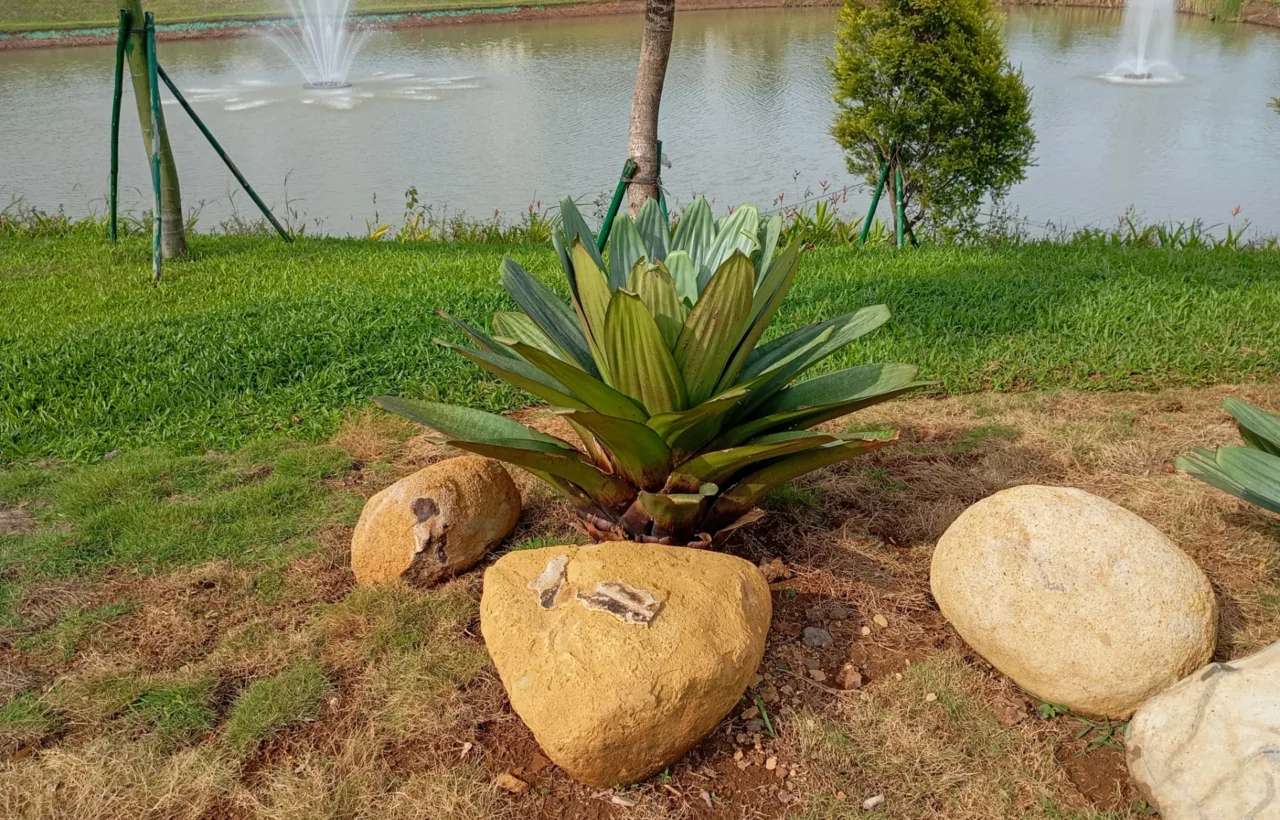
Keep spines and sword-like tips away from swim-outs, steps, and kids’ splash zones. Agave can look striking in a wide bed, but a leaf tip at shin height is a trip to the first-aid kit.
Container schemes you can actually move
If the deck is already poured, pots are not a compromise. They are the cleanest way to add height without digging near the shell. Use the old thriller, filler, and spiller mix: one upright plant, one mid-height filler, one trailer.
A simple full-sun pot that works in many climates is upright rosemary or a compact yucca, with lavender or lantana filling the middle and a trailing sedum over the rim. In warm zones, bird of paradise or canna can be the thriller. In cooler zones, treat bananas, elephant ears, and tropical hibiscus as summer guests, not permanent residents.
Choose heavy pots with real drainage holes. Lightweight planters tip, and saucers that never empty cook roots in reflected heat.
| Approach | Use it when | Main upside | Main limit |
|---|---|---|---|
| In-ground beds | You still have soil around the deck | Looks settled and lush | Roots and splash are harder to control |
| Large containers | The patio is already finished | Easy to rearrange or overwinter | Pots need regular water |
| Raised planters | You want a built-in look without digging | Soil and roots stay contained | Needs drainage planning |
| Layered hedge | A neighbor, road, or equipment sits in view | Year-round screening | Needs space and time to fill in |
| Gravel with sculptural plants | Heat and drought stay intense | Very little debris | Looks thin if you plant too little |
Plants That Handle Heat, Splash, and Reflected Glare
Once the job is clear, narrow the plant list by leaf type and litter. You want plants that keep their clothes on.
Ornamental grasses are the workhorses. Karl Foerster feather reed grass, maiden grass, pink muhly, and compact fountain grass add height and motion with little cleanup. Cut them back once a year instead of raking daily. In hot, dry yards, red yucca, Texas sage, and sterile lantana hold color without asking for a weekly hose bath.
For a tropical look, bird of paradise and hibiscus give you the postcard leaves without the same mess as a fruiting banana right on the waterline. Banana and elephant ear still work, especially in pots, but large leaves tear in wind and can land in the pool after a storm. Place them where a fence or wall knocks the gusts down.
Scented plants belong near chairs, not necessarily at the ladder. Lavender, rosemary, and catmint smell wonderful when you sit down. Just know that flowers bring pollinators. If someone in the house is uneasy around bees, keep the bloomiest pots away from the main swim edge and use foliage plants there instead.
Saltwater pools still splash chloride onto leaves. Coastal and drought-tough plants usually cope better than woodland plants. Aloe, rosemary, bougainvillea on a fence well back from the water, and many palms tolerate that exposure more gracefully than thin-leaved shade plants.
What to Keep Off the Pool Edge
The plants to skip are often the ones people pin first.
Deciduous trees with small leaves or heavy fall drop, such as sweet gum, maple, and birch, will keep you skimming. Crape myrtle and bougainvillea are beautiful, then they shed petals or bracts straight into peak swim season. Pine needles slip through skimmers. Magnolia leaves are huge and slow to break down.
Roots are the expensive problem. Willow, poplar, ficus, and other water-seeking trees can travel toward moisture and stress plumbing, liners, or pavers. If you want shade, choose a smaller, well-behaved tree well away from the shell, or use a sail, pergola, or large potted palm instead of a thirsty giant at the coping.
Safety is not optional around a family pool. Sago palm is toxic to dogs, cats, and horses, and the seeds are especially dangerous. Oleander contains cardiac glycosides and is a poor choice anywhere children or pets can reach fallen leaves. Regular lantana can set berries; if you use it, choose a sterile cultivar and keep it out of chewing range.
Three mistakes cause most of the regret:
- Planting a showy shedder right at the waterline because it photographed well.
- Using running bamboo or a thirsty tree for “fast privacy.”
- Putting thorns or toxic plants where wet feet and curious pets already walk.
How to Place Plants So They Do Not Fight the Pool
Distance is a design tool. A buffer of about 3 feet from the coping gives you room to walk, vacuum, and rinse leaves before they hit the water. Tough grasses and succulents can sit closer in a contained bed. Tender plants need more space, often 8 feet or more if they will live in the ground.
Think in three bands. Band one, nearest the water, stays low and clean. Band two holds mid-height texture: grasses, compact shrubs, flowering pots. Band three, at the property line, does the privacy and wind work.
Rinse foliage with fresh water after heavy splash days, especially after shocking the pool. Brown leaf tips are often salt or chlorine residue, not a watering mystery. Water the soil, not the leaves, and do not make spent pool water your regular irrigation source after a shock treatment.
Repeat a short plant list instead of collecting one of everything. Three or four species in groups look calmer, cost less, and are easier to maintain than a sample sale along the deck.
Frequently Asked Questions
What are simple pool planting ideas for a finished concrete deck?
Use large, stable containers and repeat the same mix every 6 to 8 feet. One upright plant, one filler, and one trailer is enough. Keep pots 3 to 6 feet from the water if you can, and choose species with thick leaves so splash does not cook them.
How close can I plant to the pool?
Give yourself a working strip. Three feet from the coping is a practical minimum for most in-ground plants. Larger shrubs and trees need more room so roots stay away from the shell and you can still walk the edge with a net.
Which plants handle a saltwater pool?
Look for the same traits that survive coastal spray: waxy leaves, drought toughness, and a compact root habit. Rosemary, many palms, agave set back from walkways, ornamental grasses, and sterile lantana usually cope better than woodland plants with thin leaves.
Can I plant a tree for shade without damaging the pool?
Yes, if the tree is modest, low-litter, and well away from the structure. Palms and small evergreens are easier neighbors than maples, willows, or ficus. If the deck is already tight, a shade sail or a potted tree you can move will cause fewer long-term problems.
Are succulents a safe choice by the water?
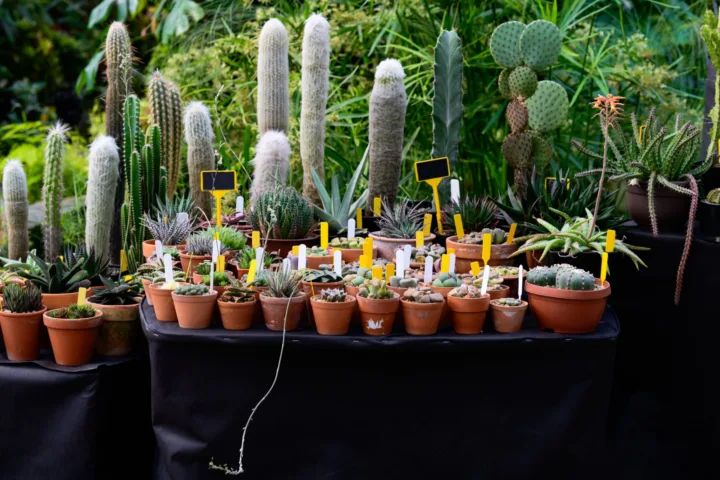
Many succulents handle heat and splash well. The catch is shape. Soft-leaved sedums and compact aloes are easier near seating than rigid, sharp agaves. Keep anything with a spear tip out of the main traffic line.
Plant the Job You Need This Season
Do not landscape the whole perimeter in one weekend. Pick the problem you feel every time you swim: no privacy, no shade, a bare deck, or a filter full of petals. Solve that strip first with plants that stay put, stay safe, and stay out of the water.
A pool looks finished when the planting behaves. Start with the quiet plants, and the resort feeling follows without a second job of fishing leaves out before breakfast.