
The front yard people remember is rarely the one packed with the most flower colors. Strong front yard planting ideas start with evergreen structure, then add layers that match your light, soil, and how much time you actually have. Repeat a short plant list instead of collecting one of everything. Keep windows clear, leave space for mature size, and design the view from the sidewalk first. Do that, and even a small bed looks intentional in January, not only in May.
Read the Yard Before You Buy a Single Plant
Walk outside at 9 a.m., noon, and 4 p.m. Note which walls stay bright and which stay dim. A south or west bed can handle lavender, salvia, and ornamental grasses. A north wall often gets two hours of real sun or less, even if it looks “bright” from the living room.
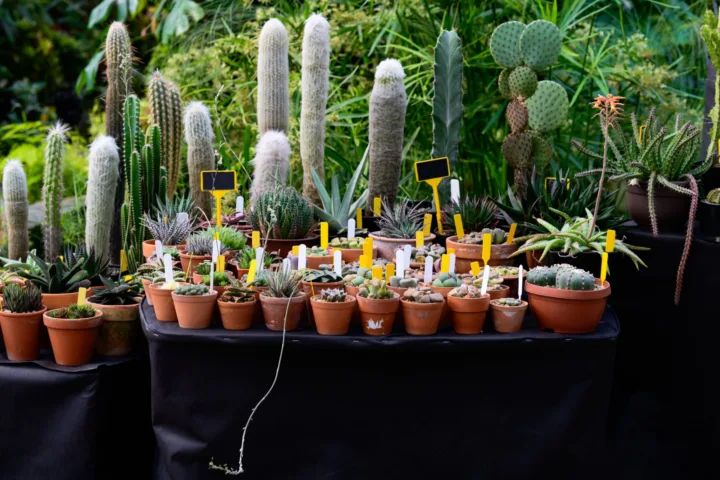
Check soil after a rain. Water that sits overnight means you need plants that tolerate wet feet, or you need to raise the bed and improve drainage before anything pretty goes in. Dry, sandy soil points you toward silver foliage, succulents, and deep-rooted natives.
Then stand across the street and take a photo. That image is the real brief. Neighbors, delivery drivers, and future buyers see mass, height, and edges, not the cute label on a one-gallon pot.
Confirm your climate on the USDA Plant Hardiness Zone Map before you fall for a plant that cannot survive your winter. Zone tells you cold tolerance, not whether a plant likes your summer heat, clay, or deer. Those still need a local check.
If you plan to plant shrubs or trees, call 811 a few business days before you dig. Buried lines are easy to hit with a shovel, and the locate service is free.
A Layered Recipe for Front Yard Planting Ideas
Think in three layers, plus a small tree only if you have room for its adult canopy.
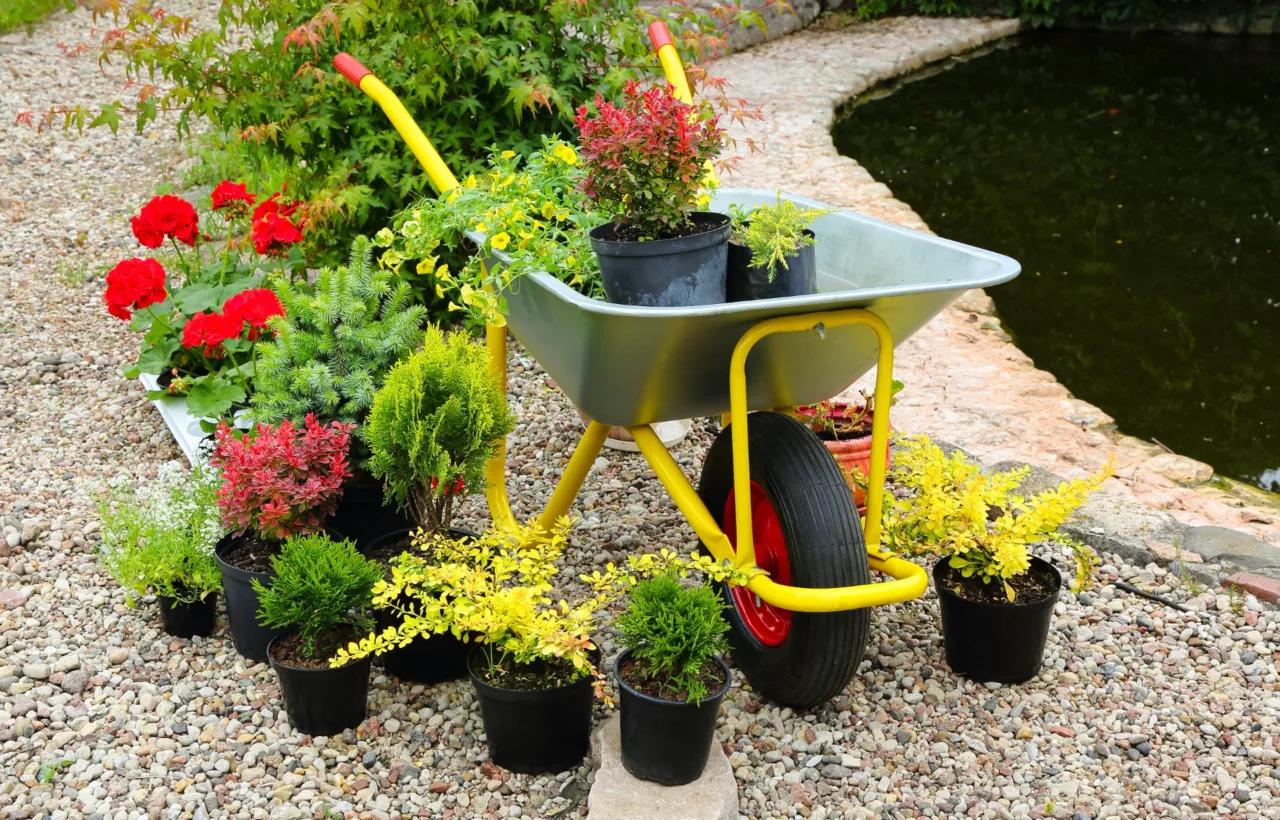
Back layer: evergreen shrubs that stay below the window sills at maturity. These are the bones. Place the tallest plants at the corners and beside the entry, not in a stiff hedge glued to the siding.
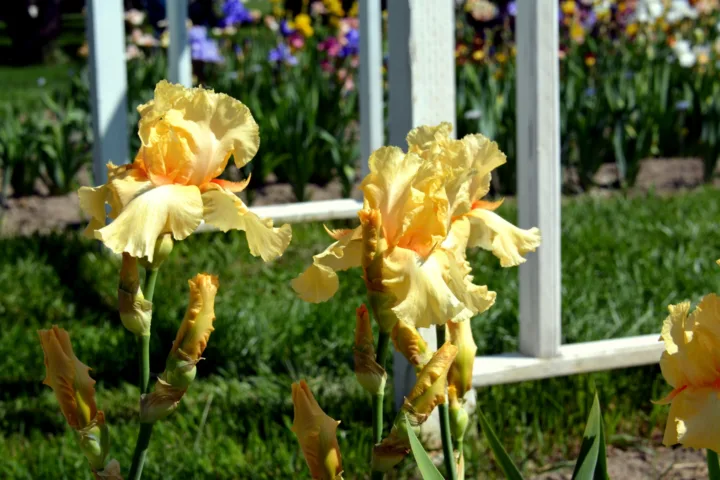
Middle layer: flowering shrubs or long-blooming perennials that change with the season. Hydrangea, rose, spirea, or a native shrub such as viburnum can sit here if the mature height still leaves the architecture visible.
Front layer: groundcover, low perennials, or a tidy grass that finishes the edge. This is what keeps the bed from looking like a mulch doughnut.
Leave a gap between plants and the house so air can move and siding can dry. A practical working range is a couple of feet for compact plants and more for larger shrubs. Small ornamental trees belong farther out, often around 15 feet from the foundation. Bigger shade trees need much more room so roots and limbs do not fight the house later.
A useful mix is evergreen structure first, then a smaller share of deciduous shrubs and perennials for bloom and fall color. If every plant dies to the ground in November, the yard looks abandoned until April.
Repeat each plant in groups of three, five, or seven. One lonely salvia next to one lonely hosta next to one lonely boxwood reads as leftovers. The same three plants, used in drifts, read as a plan.
Combos That Work in Sun, Shade, and Tight Spaces
Match the combo to the site, then edit for your house color and style. Cottage charm and a modern ranch can use the same bones. The difference is usually shape and how tightly you clip the edges.
Full sun walkways and south-facing beds
Use plants that like heat and drainage. Catmint, meadow sage, lavender, yarrow, coneflower, and a clumping grass such as little bluestem or switchgrass give months of texture without weekly deadheading. Knock Out type roses earn a spot when you want bloom from late spring until frost and do not want a fussy hybrid tea.
Edge the path with something low that can take a little foot traffic, such as creeping thyme where winters are not brutal and soil drains fast. Keep the tallest plants away from the walk so people are not brushing wet foliage every time they reach the door.
House-shaded north and east walls
Stop forcing sun plants into shade. They stretch, bloom poorly, and make the whole bed look tired. Lean on foliage: hosta, heuchera, ferns, Japanese forest grass, and evergreen sedges. Add seasonal flowers only where you get morning sun, with hellebore, astilbe in moist soil, or oakleaf hydrangea if the bed is deep enough.
Dry shade next to a roof overhang is a different problem. Choose tougher options such as epimedium, hellebore, and carex rather than thirsty astilbe.
Small lots, sloped beds, and HOA edges
On a tiny lot, one compact tree or a pair of matching pots by the door does more than ten competing shrubs. Dwarf hydrangeas, columnar evergreens, and a climber on a freestanding trellis add height without eating the walk.
Slopes need plants that hold soil, not a strip of lawn you cannot mow safely. Creeping phlox, sedum, and low junipers work in sun. On a bank that stays damp, ferns and sedges are kinder.
If an HOA wants a “kept” look, give them a sharp edge, consistent mulch or gravel, and sight lines at corners. Native plantings get approved more often when they are massed, mulched, and clearly not a weedy vacancy.
| Yard situation | Plant toward this | Leave this on the nursery bench | Why the swap works |
|---|---|---|---|
| All-day sun, dry soil | Lavender, salvia, catmint, ornamental grass | Moisture-loving annual mixes | Silver leaves and deep roots handle heat after the first season |
| Shade from the house | Hosta, heuchera, fern, sedge | Full-sun coneflower or lavender | Foliage contrast still reads from the street when blooms fade |
| Narrow strip by a walk | Dwarf evergreen, thyme, compact rose | Wide-spreading shrubs | People can pass without pruning every weekend |
| Winter-bare lawn you dislike | Evergreen shrubs plus leftover seedheads | Only spring bulbs and annuals | Structure remains after frost |
| Deer pressure | Texture plants and local “ignored” species | A bed of hosta and tulips alone | You plant what gets eaten less in your neighborhood |
Plants That Stay Neat Without Constant Pruning
Read the mature width on the tag, not the cute size in the pot. A shrub labeled 5 feet wide will try to become 5 feet wide. Plant it 3 feet from its neighbor and you will live with shears in your hand.
Choose compact cultivars for foundation beds. Dwarf boxwood or a native stand-in such as inkberry holly can hold a line. Panicle hydrangeas often behave better in mixed sun than bigleaf types that sulk when mornings are hot and soil is alkaline.
Ornamental grasses earn their keep if you like movement and winter silhouette. Cut them back once in late winter. That is a different job from trimming a hedge every other Saturday.
Group plants with similar water needs. The EPA notes that outdoor use is more than 30 percent of household water on average, and higher in dry regions. A mixed bed that wants weekly soakings next to shrubs that prefer to dry out will always look uneven.
Mulch after planting, then let plants knit together so weeds have less open soil. Bare dirt is not a style. It is an invitation.
Mistakes That Turn a New Bed Into a Mess
These are the problems that show up two summers later, when the “tiny” arborvitae is eating the window.
- Planting at nursery size instead of adult size, then crowding the house, walk, and meter box.
- Using only summer flowers, so November looks empty and the yard loses its shape.
- Blocking windows, house numbers, and sight lines at the driveway.
- Mixing one of every color because the garden center display was cheerful.
- Skipping the street-view test, then wondering why the bed looks busy from 40 feet away.
Trees planted too close are a slower version of the same mistake. Roots, gutters, and sidewalks do not negotiate. If a future canopy would rest on the roof, the tree is in the wrong place.
Also watch water against the foundation. Grade soil so rain moves away from the house. Piling mulch against siding traps moisture and hides the problem until paint peels.
Frequently Asked Questions
What front yard planting ideas work if I only have weekends?
Build the bed around evergreens and a few long-blooming perennials, then mulch well. Skip high-maintenance annual carpets unless you enjoy replacing them. One repeated plant along the walk beats a rotating mix you cannot keep watered.
How close can I plant to the house foundation?
Keep larger shrubs several feet off the wall and smaller plants at least a couple of feet out so air can circulate. Do not bury the foundation in soil or mulch. Call 811 before you dig planting holes for trees or big shrubs.
What should I plant in a shady front yard?
Lead with leaves, not a sun-plant wish list. Hostas, heucheras, ferns, and sedges give color from spring through fall. Add flowers only in the brighter pockets. A shaded front can look rich if you repeat foliage shapes in generous groups.
Can I replace the front lawn with plants?
Yes, if local rules allow it and you keep a clean edge. Start with the strip along the walk or an island around an existing tree. Lawn-free beds look cared for when plants are massed and weeds are not given open ground.
When is the best season to plant a front yard bed?
Cooler weather in spring or fall is easier on roots than midsummer heat. Fall planting gives many shrubs a head start before the next growing season. Water new plants through their first dry spells even if the variety is drought-tolerant later.
Which plants still look good in winter out front?
Evergreen shrubs, ornamental grass seedheads, and trees with interesting bark do the winter work. Leave some coneflower and rudbeckia heads standing if you like birds and structure. A front yard with no winter bones will always feel unfinished.
Finish One Bed Before You Rip Out the Lawn
Pick the bed people see first, usually the walk to the door or the corner that frames the house. Call for utility marks, photograph the spot from the street, and write a short list: two evergreens, one seasonal shrub, one perennial you will repeat, one groundcover.
Plant for the size those plants will be in five years, not the size they are this afternoon. If the bed still looks thin, that is normal. Full is a second-year gift, not a checkout-line miracle.
A front yard does not need a new personality every season. It needs a few plants that belong there, placed so the house can still breathe.