
The useful sunflower plan starts with a job, not a pretty seed packet. Decide whether you want a living screen, a patio pot, a cutting patch, or a playhouse, then choose height and spacing to match. Most sunflowers planting ideas flop when a giant variety is squeezed into a tiny bed, or when seeds go in before the soil has warmed.
Direct-sow after frost in full sun, plant about an inch deep, and give each plant the room its mature height needs. Get those three things right and the layouts below become simple weekend projects instead of midsummer salvage work.
Choose the sunflower idea before you buy seed
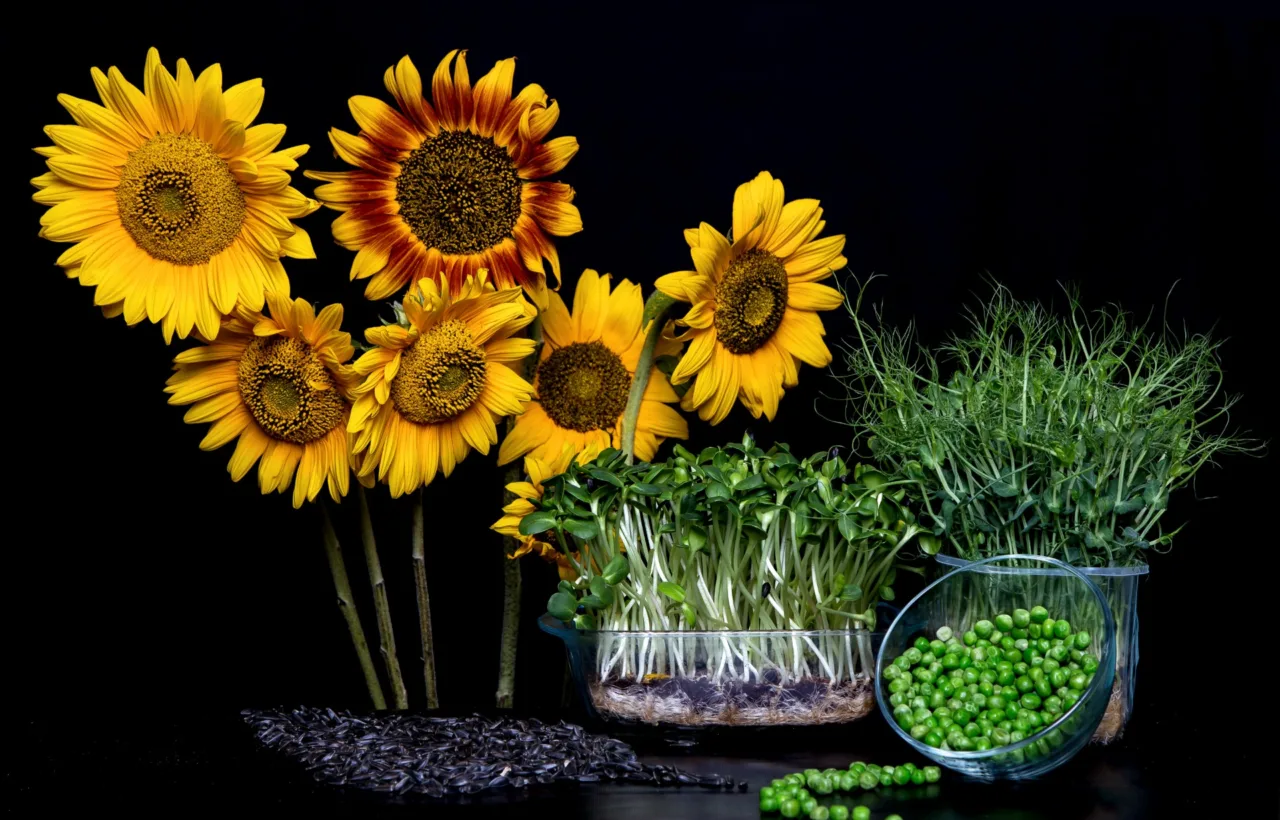
Sunflowers are not one plant. Dwarf types stay around 1 to 3 feet. Branching types make many blooms on 4 to 7 foot plants. Giant single-stem types can reach 8 to 12 feet with one dinner-plate head. The idea you want tells you which group to buy.
A privacy screen wants thick, tall stalks in a line. A bouquet patch wants branching or pollenless cutting types you can harvest without wrecking the view. A balcony wants a compact variety in a deep pot. A kid fort wants giants with stout stems, not fluffy dwarfs.
Use the packet’s mature height and days to bloom the way you would use a tape measure. If your first fall frost arrives early, skip the 100-day giants and pick a 50 to 70 day dwarf or mid-size type so it actually finishes.
| Planting idea | Variety type to buy | Spacing between plants | What this layout is for |
|---|---|---|---|
| Living fence or screen | Giant or tall single-stem | 18 to 24 inches | Summer privacy, a sunny backdrop |
| Sunflower house | Giant, 7 feet or taller | 6 to 12 inches in double rows | A play space kids can walk into |
| Patio or balcony pots | Dwarf, under 3 feet | One plant per 12 inch pot | Small spaces with no in-ground bed |
| Cutting patch | Branching or pollenless | 6 to 12 inches | Repeated bouquets without gaps |
| Mixed border accent | Mid-size branching | 18 to 24 inches | Color woven through other flowers |
When to plant sunflowers and how deep to sow
Wait until the last spring frost has passed and the soil has warmed to at least 50°F. Many gardeners get cleaner germination closer to 60°F. Cold, wet soil is the quiet reason packets “fail.” Look up your average last frost by ZIP code with the Almanac frost dates tool, then give the ground another week if spring has been chilly.
Sunflowers grow as summer annuals across a wide range of climates, roughly USDA Zones 2 through 11, because they are planted after frost rather than overwintered. Confirm your zone on the USDA Plant Hardiness Zone Map if you are also adding perennial sunflowers, which do come back.
Direct sowing is the simpler method. Their taproots resent being moved, so garden-sown plants usually catch up to indoor starts and bloom more freely.
- Loosen soil 8 to 12 inches deep and mix in compost, not a heavy dump of high-nitrogen fertilizer.
- Sow seeds 1 inch deep (a little deeper in sandy soil), pointed end down if you can tell.
- Space by the table above, or sow extra seeds and thin to the strongest seedlings once they have true leaves.
- Water so the seed zone stays evenly moist until sprouts appear in about 7 to 10 days.
- Cover the row with hardware cloth or mesh until seedlings are a few inches tall if birds and squirrels raid the bed.
If you start seeds indoors, keep the head start short: 2 to 3 weeks before transplant, in biodegradable pots you can plant whole. Clip off any pot rim that sticks above the soil so it does not wick moisture away from the roots.
For blooms that do not all open and fade together, use one of three succession methods: sow the same variety every 1 to 2 weeks, mix varieties with different days to maturity in one planting, or combine both on a 3 to 4 week rhythm.
Sunflowers planting ideas that work in real yards
Place the planting where it gets 6 to 8 hours of direct sun. Afternoon shade makes lanky stems and smaller heads. Shelter tall types from prevailing wind with a fence, wall, or a neighboring row of plants. Giants get top-heavy fast.
A living fence or backyard screen
Plant a single row of tall varieties along the south or west side of a fence, garage, or compost area. Space plants 18 to 24 inches apart so each stalk can thicken. A second staggered row a foot behind the first fills gaps without turning the line into a tangle.
Stake giants at planting time, not after the first storm. A bamboo cane is often too short and too thin for an 8 foot plant. Use a sturdy stake or tie the stem loosely to the fence as it grows. Grouped plants also brace each other, which is why a short run of five or seven looks stronger than one lonely giant.
This layout is seasonal. The screen is glorious in July and August and gone after frost. Treat it as summer architecture, not a substitute for a year-round hedge.
A sunflower house kids will actually use
Mark a square or circle at least 6 to 8 feet across and leave a 2 foot doorway. Plant seeds 1 inch deep and about 6 inches apart along the outline. A second staggered row 12 inches outside the first makes walls you cannot see through.
Almanac’s sunflower house method is the version most families can finish in an afternoon: trench the perimeter, plant, mulch the interior, and wait. Optional morning glory seed at the base of each stalk can climb and, with strings tied from head to head later, form a loose flowering roof.
Protect seedlings. A hardware-cloth collar around the perimeter stops rabbits and ground feeders while the walls are still snack-sized. Water the trench until plants are established. After that, deep weekly soaks beat daily sprinkles.
Patio pots and front-of-border dwarfs
Choose varieties listed under 3 feet, such as compact singles or double “teddy” types. Oregon State University Extension recommends a container in the 5-gallon range for dwarf plants, with drainage holes and a potting mix, not garden soil.
Sow directly in the finished pot. One plant per 12 inch container keeps the taproot honest. Cluster three pots for a fuller look instead of crowding six seeds into one undersized bowl. Container plants dry out faster than in-ground rows, so check the top inch of mix on hot days and water when it is dry.
Dwarfs also belong at the front of a border where giants would block everything behind them. They do not need staking if the pot is heavy enough that a breeze cannot tip it.
A cutting row that keeps blooming
Give cutting sunflowers their own strip so you can harvest without leaving holes in the ornamental bed. Branching cultivars spaced 18 to 24 inches apart produce many stems over a long stretch. Single-stem cutting types can sit closer, often 6 to 12 inches, if you want smaller bouquet heads rather than one huge disk.
Pollenless varieties keep tabletops cleaner. Cut in the morning when petals are just opening, and strip the lower leaves before the stems go in water. A second sowing two weeks after the first is the difference between one big week of flowers and a month of them.
Companions, spacing, and plants to keep apart
Zinnias, cosmos, and marigolds share the same sun and heat and keep the bed looking finished after the first sunflower flush. Squash or cucumbers can sprawl a couple of feet away and shade the soil. Corn can share a sunny row if both crops are fed and watered well.
Sunflowers release compounds that can suppress some neighbors, especially once roots and stalks break down. Potatoes are the pairing to skip. Keep them in a different bed this year and next. Give beans extra room if you use a tall stalk as a living trellis, and wait until the sunflower is 12 to 18 inches tall before sowing the beans at its base. Do not tuck lettuce or strawberries under a giant. They will be shaded out by July.
Overcrowding is the other quiet problem. Tight spacing makes smaller heads and weaker stems. Thinning feels wasteful. Leaving every seedling is how you get a skinny thicket instead of flowers.
Mistakes that waste a whole packet of seed
Planting in cold soil rots seed before it sprouts. Starting indoor plants too early creates rootbound seedlings that stall after transplant. High-nitrogen feed grows leaves at the expense of blooms. Skipping wind protection turns a 10 foot plant into a snapped stem the week the head finally opens.
Birds love freshly sown seed and ripening heads equally. Mesh early, then decide later whether to bag a seed head for roasting or leave it as a feeder. Water deeply rather than misting the foliage. Once plants are a foot tall, let the top inch of soil dry between soaks so roots go down instead of hovering at the surface.
Frequently Asked Questions
How far apart should I plant sunflowers?
Dwarf plants can sit about 6 inches apart. Mid-size garden types need roughly 12 inches. Branching plants want 18 to 24 inches, and giants need about 2 feet. Cut-flower rows can be tighter if you want smaller heads. When in doubt, give the taller variety more room.
Can I grow sunflowers in pots?
Yes, if you choose a dwarf variety under 3 feet and use a deep container with drainage. A 5-gallon pot is a practical minimum for a single plant. Sow in the pot you will keep, set it in full sun, and water more often than you would an in-ground row.
Do sunflowers planting ideas work in partial shade?
Not well. Less than 6 hours of direct sun produces stretched stems and fewer, smaller blooms. If the only open spot is bright morning sun, pick a short variety and keep expectations modest. Move containers to the sunniest slab you have.
Should I start sunflower seeds indoors?
Only if your season is short and you keep the indoor period to 2 or 3 weeks. Use pots you can plant whole. Direct sowing after frost is still the lower-stress method for most yards.
When will they bloom after I plant?
Many garden types flower in 70 to 90 days. Fast dwarfs can open in about 50 to 60 days. Giant seed types may need 90 to 100 days or more. Count backward from your first fall frost before you commit to a slow giant.
What should I not plant next to sunflowers?
Keep potatoes in another bed. Avoid tucking shade-sensitive crops directly under tall stalks. Give heavy feeders enough soil and water so they are not fighting the sunflower for both.
Plant one layout this weekend
Pick the smallest idea that still satisfies the Pin you clicked. A single 5-gallon pot of dwarfs on the steps. A seven-plant screen along the fence. A 6 foot circle with a doorway. Write the variety height on a plant label the day you sow so July-you remembers what March-you intended.
See, sunflowers are generous plants. Give them warm soil, a sunny strip, and a job that matches their size, and they will do the loud, golden part without much fuss.