
I stared at my empty balcony for months. Concrete. Railings. Zero green. I wanted plants but had almost no floor space left after the chair and tiny table. That is when I decided to go vertical. A vertical garden wall balcony setup became my solution, and it worked better than I expected.
Honestly? I almost gave up before I started. Weight limits, rental rules, wind, and watering all felt like roadblocks. I pushed through anyway. Now I harvest herbs, watch trailing vines spill over, and sit out there every morning with coffee. The space feels bigger somehow. Greener. Alive.
Here is exactly how I did it, what I learned the hard way, and the practical steps that actually stuck.
Why a Vertical Garden Wall Balcony Setup Makes Sense for Small Spaces
Floor space is the first thing you lose on a balcony. Pots eat it fast. A vertical approach flips that problem. You use the wall, the railing, and the air above the floor instead.
I measured my balcony first. Roughly six feet by four feet. After furniture, I had maybe two square feet free. Not enough for a proper garden bed. Vertical changed the math. I ended up with dozens of planting pockets without giving up walking room.
Benefits showed up quickly.
- More plants in less space. I grow basil, mint, strawberries, and leafy greens in a footprint smaller than a doormat.
- Better airflow and fewer pests. Plants sit off the ground. Slugs and soil-dwelling bugs struggle to reach them.
- Privacy without curtains. Dense foliage softens the view of neighboring buildings.
- Cooler microclimate. Leaves catch heat and give a little shade on hot afternoons.
See, the real win is psychological. Looking at green every day resets my mood. I used to rush inside after work. Now I linger outside.
Weight matters a lot on balconies. I checked my building rules and the structural notes. Most apartment balconies handle 50 to 100 pounds per square foot when distributed, but I still kept everything light. Lightweight potting mix, plastic or fabric planters, and freestanding options beat heavy wooden frames every time.
Choosing the Right System for a Vertical Garden Wall Balcony
I tried three different approaches before settling. Not every idea works for every balcony.
Compare the three systems by drilling permission, railing access, and available floor footprint before buying materials.
Freestanding Towers and Stacked Planters
These sit on the floor and rise up. No drilling required. Perfect for renters.
I started with a simple stackable planter tower. It held about twelve plants. Water drained from the top pot into the ones below, which saved time. The base stayed stable even when the wind picked up. I filled the bottom layers with heavier soil and sturdier plants so the whole thing would not tip.
Wall-Mounted Pockets and Planters
Fabric pocket systems or plastic wall trays hang directly on the wall or railing. They look clean and use zero floor space.
I bought a fabric pocket panel with eighteen slots. It hung from two strong hooks. Lightweight plants only. Herbs and small strawberries thrived. Heavier soil or big root systems would have pulled the fabric and stressed the mounting points.
Trellises and Climbing Supports
A simple lattice or wire grid against the wall lets vines climb. I added one behind my main planter setup. Peas and a compact cucumber variety used it. The trellis also gave the whole wall more structure and height.
I mixed all three. Tower in the corner, pocket panel on the long wall, trellis behind. That combination filled the space without clutter.
Key rule I followed: never mount anything permanent without landlord approval. Hooks, freestanding units, and tension rods kept me safe.
Plants That Actually Thrive on a Balcony Vertical Garden Wall
Sunlight decides everything. My balcony faces east. Morning sun, afternoon shade. That limited my options, but I still grew plenty.
I group plants by light needs.
Full sun spots (six or more hours):
- Basil
- Rosemary
- Compact cherry tomatoes
- Peppers (small varieties)
- Strawberries
Partial sun (three to five hours):
- Lettuce and other leafy greens
- Spinach
- Kale
- Parsley
- Chives
- Mint (keep it contained or it takes over)
Lower light areas:
- Ferns
- Some succulents
- Trailing pothos (if protected from strong wind)
I avoided large root vegetables and heavy fruiting plants at first. They need deeper soil and more support than most vertical systems provide. Once I got comfortable, I added a couple of dwarf tomatoes in the deeper pockets of the tower.
Soil choice matters more than most people think. Regular garden soil packs down and holds too much water. I use a lightweight potting mix with perlite. It drains fast and stays airy. I mix in a little slow-release fertilizer at planting time, then feed liquid fertilizer every two weeks during peak growth.
Watering is the biggest daily task. Vertical systems dry out faster than ground beds. I check the top pockets every morning. A simple watering can with a long spout reaches the higher spots. On very hot days I water twice.
In small vertical pockets, flush thoroughly once monthly to prevent fertilizer salts accumulating from biweekly liquid feeding.
Step-by-Step: How I Built My Vertical Garden Wall Balcony
I kept the process simple. No fancy tools. No complicated irrigation at the start.
- Map the space. I sketched the balcony on paper. Marked sun patterns at different times of day. Noted railing height, door swing, and any existing fixtures.
- Check rules and weight. Called the property manager. Confirmed I could use freestanding and hanging systems as long as nothing drilled into structural walls.
- Buy lightweight materials. Fabric pockets, plastic stackable planters, one metal trellis, and bags of potting mix.
- Assemble on the floor first. I filled and planted everything while the units sat on the balcony floor. Much easier than working at height.
- Position and secure. Tower in the corner against the wall. Pocket panel hung from two heavy-duty hooks. Trellis leaned and tied lightly to the railing for wind resistance.
- Water thoroughly and watch. First week I checked moisture twice a day. Adjusted plant positions based on which ones looked happiest.
Drainage is non-negotiable. Every planter needs holes. I placed small trays under the freestanding tower to catch excess water so it would not drip on the neighbors below. For the wall pockets I chose ones with built-in drainage flaps.
Wind hit harder than I expected. High-rise balconies act like wind tunnels. I added a couple of bamboo privacy screens on the windy side. They slowed the gusts and gave the plants a buffer.
Common Mistakes I Made (So You Can Skip Them)
I overplanted the first month. Every pocket looked full and pretty. Then plants competed for light and water. Thinning them out fixed it.
I ignored the bottom pockets at first. They stayed wetter and cooler. Some plants rotted. Now I put more shade-tolerant greens lower and sun lovers higher.
I used heavy ceramic pots in a couple of spots. They looked nice but added unnecessary weight. I switched to plastic and fabric. Lighter, cheaper, and just as effective.
Overwatering remains the easiest way to kill plants in these systems. Stick your finger in the soil. If it feels moist two inches down, wait.
Maintenance That Keeps the Vertical Garden Wall Looking Good
I spend about ten minutes most mornings. Water, check for pests, harvest what I need for dinner.
Pruning keeps things tidy. Trailing plants get a trim every few weeks so they do not overwhelm the structure. I pinch basil regularly to encourage bushier growth.
Fertilizer schedule is simple. Diluted liquid feed every two weeks in growing season. I ease off in cooler months.
Winter protection depends on your climate. I live where frost hits. I bring the most tender plants inside or cover the whole setup with a light frost cloth on cold nights. Some people move freestanding towers indoors for the season.
Pest control stays organic. A spray bottle of soapy water handles aphids. Neem oil works for tougher cases. Because the plants sit off the ground, problems stay smaller than in traditional beds.
After heavy watering or storms, inspect hooks, ties, and trellis joints; saturated planters can shift loads even when plants look stable.
Frequently Asked Questions
How much does a basic vertical garden wall balcony cost to set up? I spent under $150 for the main system, soil, and first round of plants. Fabric pockets and a stackable tower keep costs low. You can start even cheaper with recycled materials if you prefer DIY.
Will a vertical garden wall balcony damage my railing or wall? Not if you avoid permanent drilling and keep the weight reasonable. I used freestanding and hanging options only. Always check your building rules first.
What plants work best for beginners on a vertical garden wall balcony? Start with herbs. Basil, mint, chives, and parsley forgive mistakes and give quick results. Leafy greens come next. Save tomatoes and larger vegetables until you know how your light and watering routine work.
How often do I need to water a vertical setup? Most days in warm weather. The top levels dry fastest. Check daily at first. Once you learn the pattern of your specific system, you settle into a rhythm.
Can I grow vegetables in a vertical garden wall on a balcony? Yes, with the right choices. Compact varieties of lettuce, kale, strawberries, and bush beans do well. Stick to shallow-rooted crops unless your system has deep soil pockets.
Final Thoughts From My Balcony
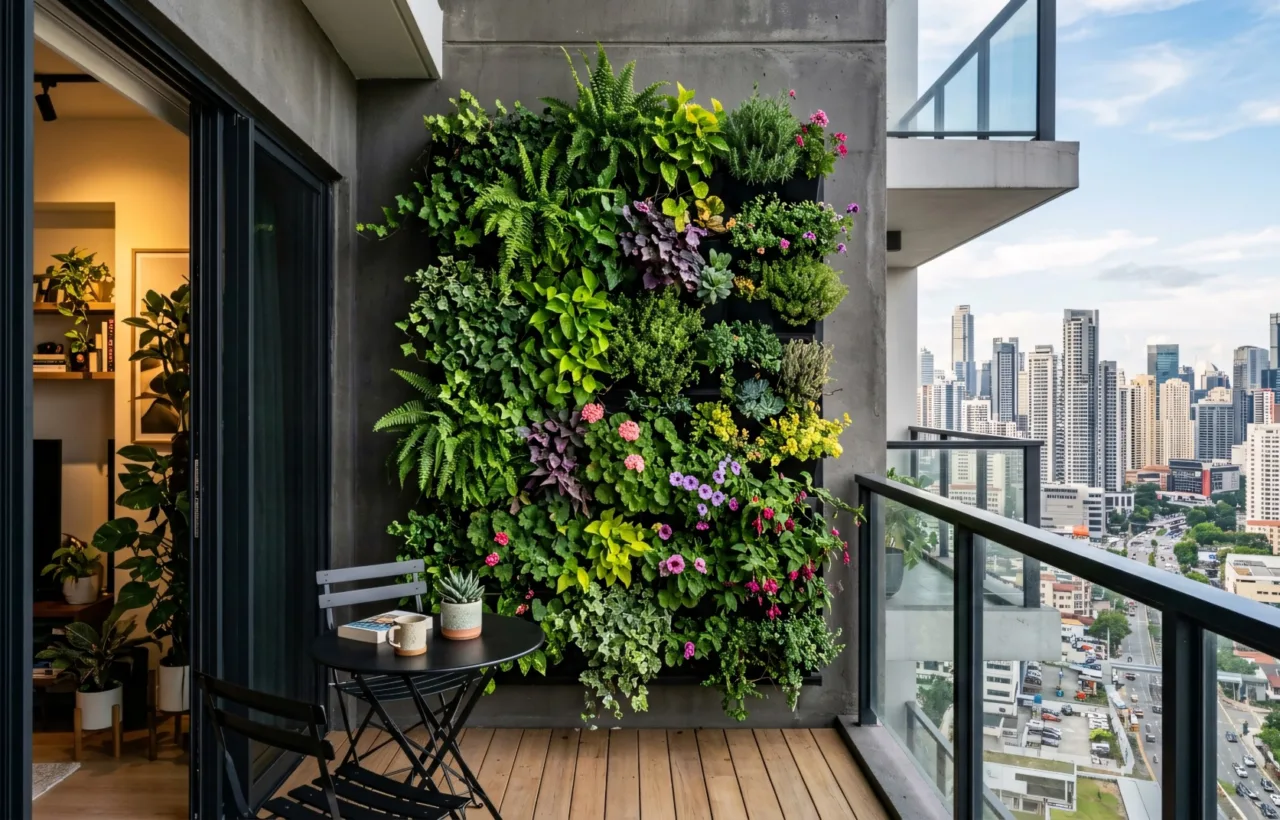
I still walk out every morning and feel a small jolt of pride. The wall that used to be blank concrete now holds life. Herbs for dinner. Flowers that bring bees. A bit of privacy from the city.
You do not need a perfect setup on day one. Start with one tower or one panel of pockets. Plant what you actually cook with. Watch how the light and wind behave. Adjust.
Honestly? The best part is not the harvest. It is the daily habit of stepping outside and caring for something living in a space that once felt dead. My balcony no longer feels like leftover square footage. It feels like mine.
Go measure your space this weekend. Pick one system. Get some soil and a few starter plants. You will thank yourself the first time you snip fresh basil for pasta and realize it came from your own wall.