I turned my bare concrete balcony into a tropical garden balcony that feels like a private jungle retreat. It started with one sad plant and a whole lot of trial and error. Now I sit out there every morning with coffee and pretend I’m somewhere far warmer than my actual zip code.
Honestly? I never thought a few square feet of outdoor space could deliver this much peace. But it does. If you’re staring at a blank balcony and dreaming of big leaves and that humid, green energy, you’re in the right place. I’m going to walk you through exactly how I did it, what worked, what flopped, and how you can skip the expensive mistakes I made.
Why a Tropical Garden Balcony Feels Different
Most balcony setups look tidy and polite. Mine looks a little wild on purpose. The goal was never neat rows of matching pots. I wanted height, texture, and that dense, layered look you get under a canopy in the tropics.
The difference shows up the second you step outside. Leaves move in the breeze. Light filters through in patches. You hear less traffic and more rustle. It’s not about perfect symmetry. It’s about creating a small world that feels alive.
I live in a place that gets cold winters, so everything has to handle containers and occasional indoor time. That constraint forced me to get creative. And creativity turned out to be the fun part.
Choosing the Right Spot and Reading Your Light
Before I bought a single plant, I spent a week just watching the balcony. Morning sun. Afternoon shade. Wind patterns. Where the water pools after rain.
My balcony faces mostly east with a bit of afternoon protection from the building next door. That setup works well for a lot of tropicals. They like bright light but hate baking all day in full western exposure.
If your balcony is south-facing and brutal, you’ll lean harder into tougher palms and plants that can take heat. North-facing and shady means more ferns and big-leaf philodendrons. Don’t fight the light you have. Work with it.
I learned this the hard way. My first bird of paradise got scorched because I assumed “tropical” meant “sun worshipper.” It does not. Many of the best ones prefer filtered light.
Check balcony weight limits before adding large planters, especially after rain, when saturated soil and trapped water substantially increase load.
Containers That Actually Work for Tropical Plants
Lightweight plastic pots look fine for a season, then they fade and crack. I switched almost everything to a mix of fiberglass, resin, and a few ceramic pots for the showpieces.
Key things I look for now:
- Drainage holes. Non-negotiable. Tropical plants hate wet feet.
- Size. Bigger is better for moisture stability. Small pots dry out too fast in summer heat.
- Weight. My balcony has limits. I keep the heaviest pots near the wall or railing supports.
- Saucers or trays. I use them carefully. Empty them after rain so roots don’t sit in water.
I group pots in clusters instead of lining them up like soldiers. One tall palm in the back, medium foliage in the middle, trailing plants at the front. Instant depth.
Use pot feet beneath containers to improve airflow and drainage, while keeping runoff from staining balcony surfaces or pooling against walls.
My Go-To Plants for a Tropical Garden Balcony
I keep a core group that delivers the jungle vibe without needing a greenhouse.
Tall Drama Plants
Bird of paradise and dwarf banana give height fast. The banana leaves are huge and move with every breeze. I bring the banana inside when nights drop below 50°F. The bird of paradise stays out longer but still comes in for winter.
Foliage Stars
Monstera, philodendron, and alocasia (elephant ear types) do the heavy lifting for that tropical look. Big leaves equal instant impact. I rotate a few indoors in winter so they don’t get shocked by cold.
Color and Texture
Bromeliads and caladiums add punches of color without needing constant deadheading. Hibiscus gives big flowers if you can keep it happy in a pot. I have one that blooms off and on all summer.
Trailing and Filling Plants
Pothos and philodendron varieties cascade over pot edges. Ferns soften everything. I use them to hide the rims of pots and fill gaps.
I also keep a couple of citrus trees in large pots. They smell amazing when they flower and the fruit is a bonus. They’re not pure tropical in the jungle sense, but they fit the overall mood.
Soil, Water, and Feeding Without the Fuss
Tropical plants in pots need a mix that drains fast but still holds some moisture. I use a high-quality potting mix and add extra perlite or orchid bark for better airflow around the roots.
Watering is the part that trips people up. I stick my finger in the soil. If the top two inches feel dry, I water thoroughly until it runs out the bottom. Then I stop. Overwatering kills more balcony plants than underwatering.
In peak summer heat I water most pots every other day. In cooler weather it stretches to once a week or less. Morning watering works best. It gives leaves time to dry and reduces fungus risk.
Feeding is simple. I use a balanced liquid fertilizer diluted to half strength every two to three weeks during the growing season. That’s it. No complicated schedules.
Dealing with Wind, Weight, and Neighbors
Wind on a balcony is no joke. Big leaves act like sails. I stake taller plants and group pots so they shelter each other. Heavy pots stay close to the wall.
Weight matters. I checked my building rules early. Some places limit what you can put on a balcony. I keep the total load reasonable and never overload one corner.
Neighbors notice. A few have asked for plant recommendations after seeing my setup. One even started her own version. Shared tips over the railing. It’s turned into a quiet little community thing.
Seasonal Reality Check
Summer is peak glory. Everything grows like it’s on a mission. Fall means deciding what comes inside. I prioritize the most expensive or hard-to-replace plants. The rest either tough it out or get composted if they’re annuals.
Winter is the quiet season. The balcony looks sparse. I keep a few hardy evergreens and some empty pots ready for spring. Indoors, the tropicals that came in become houseplants for a few months. They drop some leaves from the change, then settle in.
Spring is the best. New growth starts. I refresh soil in a few pots, divide anything that’s outgrown its space, and bring the whole crew back outside once nights stay above 55°F or so.
Design Tricks That Make It Feel Bigger
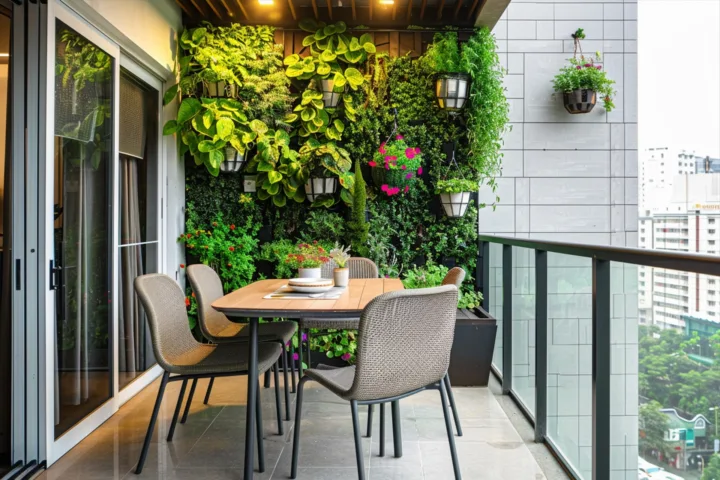
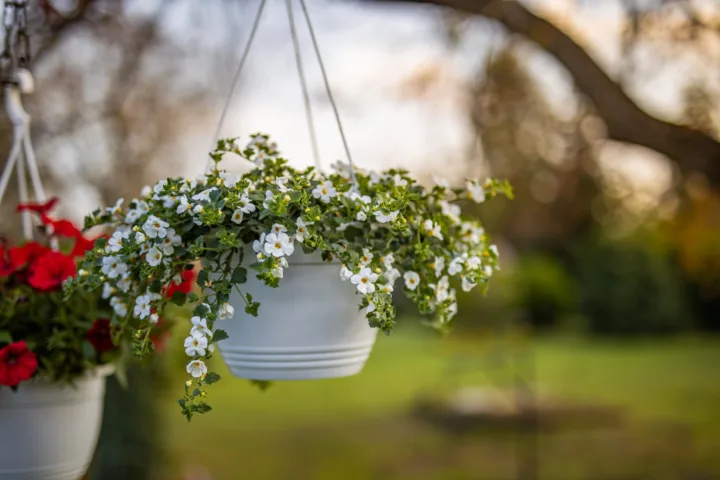
I use vertical space hard. A simple wall trellis holds a climbing philodendron. Hanging baskets add another layer without eating floor space. A small outdoor shelf holds smaller pots at different heights.
Mirrors are a sneaky move. One small outdoor-safe mirror on the side wall reflects greenery and light. It makes the balcony feel wider.
Furniture stays minimal. One comfortable chair, a tiny side table, and that’s enough. Too much furniture and the plants lose the spotlight.
Lighting helps at night. A couple of soft solar lights tucked among the pots keep the jungle vibe going after dark without looking like a stadium.
Mistakes I Made So You Don’t Have To
I overcrowded pots at first. Roots need room. Now I leave space between plants inside each container.
I ignored pests until they exploded. Check the undersides of leaves regularly. Aphids and spider mites love tender tropical growth. A strong spray of water or insecticidal soap usually handles them if you catch them early.
I bought plants based on Instagram looks instead of real growing conditions. Pretty pictures don’t water themselves. Match the plant to your actual light and climate.
I waited too long to upsize pots. When roots start circling or poking out the bottom, it’s time. Bigger pot equals happier plant for most of these species.
Budget-Friendly Ways to Build It Up
You don’t need to spend a fortune in one weekend. I started with three solid plants and added more over two seasons. Garage sales and plant swaps are gold for pots. Cuttings from friends grow into full plants for free.
Focus first on structure plants (the tall ones and the big-leaf ones). Fillers can come later. A few statement plants create the tropical feel faster than a dozen small ones.
Frequently Asked Questions
Can I create a tropical garden balcony if I live in a cold climate? Yes. Most of my plants spend winter indoors or in a protected spot. Choose container-friendly varieties and accept that some will be seasonal outdoor residents.
How much sun does a tropical garden balcony really need? Bright, indirect light works for most. A few hours of morning sun is ideal. Full all-day sun requires tougher choices like certain palms and hibiscus.
What’s the easiest tropical plant for beginners on a balcony? Monstera or a hardy philodendron. They forgive missed waterings better than most and still give that big-leaf tropical look.
Do I need special soil for a tropical garden balcony? A good quality potting mix with extra drainage material is enough. Skip garden soil. It compacts in pots and holds too much water.
How do I keep my tropical balcony garden looking good year-round? Rotate plants seasonally, refresh soil in spring, and accept that the outdoor look will thin out in winter. Indoors becomes the temporary jungle for the cold months.
Final Thoughts From My Chair
I sit out here most mornings now. Coffee in hand. Leaves moving just enough to feel alive. The traffic noise fades a bit. My tropical garden balcony is small. It’s imperfect. A few leaves always have holes from bugs or wind. But it works.
Start with what you have. One plant. One decent pot. Watch the light for a week. Then add the next piece. The jungle feeling builds faster than you expect once the first big leaves go in.
I’m still tweaking mine every season. That’s part of the fun. Your version will look different from mine, and that’s exactly how it should be. Go make yours.