
Most small backyard planting ideas fail for one boring reason: the plants outgrow the plan. A tight yard does not need dozens of species. It needs a short list of compact plants, a method that matches the ground you actually have, and a layout that leaves room to walk, sit, and water. Start with sun hours and mature size, then choose containers, a slim raised bed, a fence trellis, or a narrow border. The goal is a yard that looks full without becoming a maintenance tangle by midsummer.
Read the Yard Before You Buy a Single Plant
The fastest way to waste money is shopping first and measuring later. Spend one afternoon watching the space the way a plant would.
- Count sun hours at plant height, not at your shoulder. Full sun means six or more hours of direct light. Part shade is about three to six. Deep shade is less than three.
- Note what you can dig. Bare soil, compacted clay, a concrete patio, and a rental deck each point to a different method.
- Check water access. A hose that barely reaches the back fence will decide whether hanging baskets survive July.
- Look up, not just across. Fences, rails, and a blank wall are planting space if the ground is already spoken for.
- Confirm your USDA Plant Hardiness Zone before you fall for a pretty perennial tag. The current map is based on average extreme winter lows, which is the number that matters for anything you want to keep year after year.
Write those five notes on your phone. That scrap of information will do more work than a cart full of impulse plants.
Pick a Planting Method That Matches the Space
You do not need every technique at once. Choose the one that solves the biggest constraint, then add a second method only if the first one is working.
| Method | Works best when | Main tradeoff |
|---|---|---|
| Large containers | Patio, rental, or soil you cannot trust | Pots dry out fast in heat and wind |
| Slim raised bed | You want vegetables plus a tidy edge | The bed claims a permanent footprint |
| Narrow in-ground border | You still have soil along a fence or path | Tree roots and poor drainage can stall growth |
| Trellis or wall pockets | The fence is your unused real estate | Vertical plantings need closer watering checks |
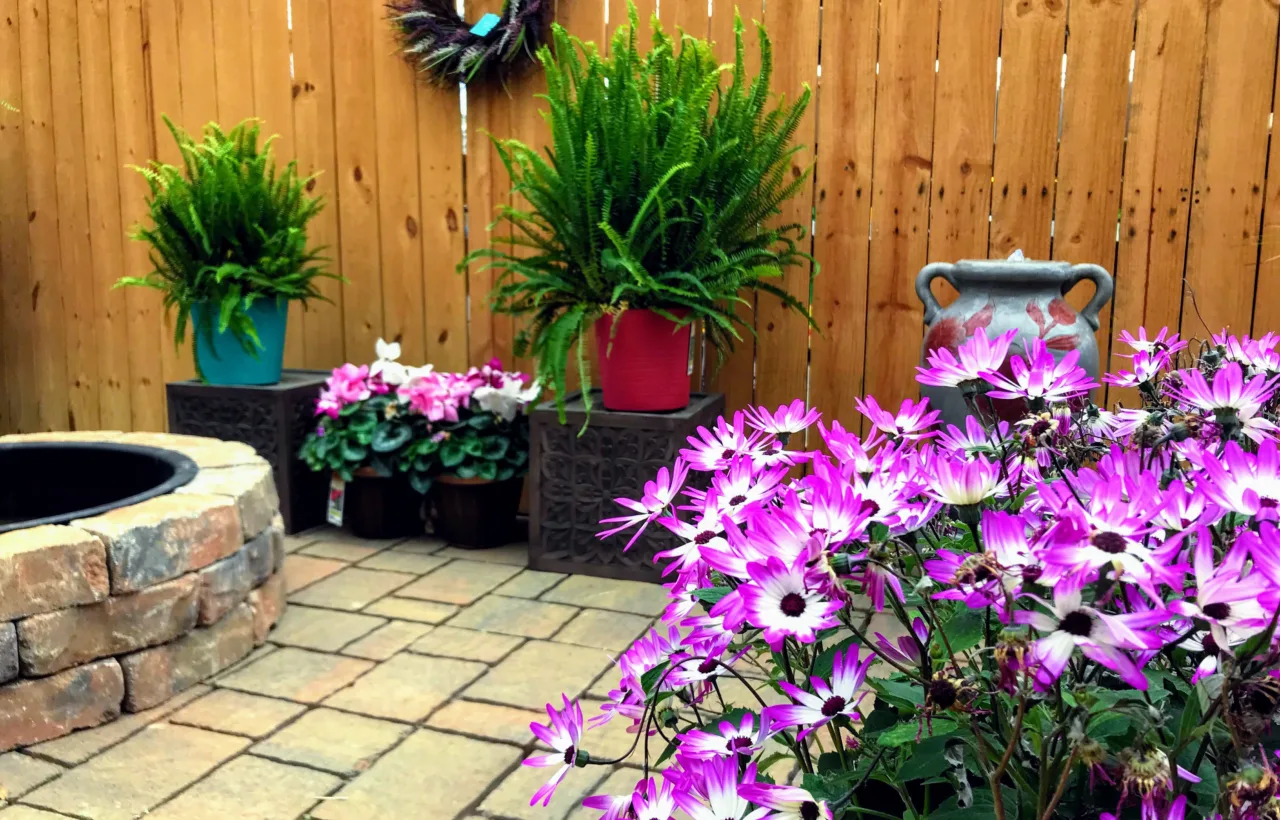
Containers are the most flexible small backyard planting ideas for a paved yard. Give tomatoes, peppers, and dwarf shrubs a pot at least 12 to 16 inches deep. Shallow crops such as leaf lettuce, radishes, spinach, and Swiss chard can manage in 9 to 12 inches of mix, which matches University of California container guidance. Use potting mix, not scooped garden soil. Garden soil packs hard in a pot and suffocates roots.
A 4-by-4-foot raised bed is enough for a kitchen plot if you plant on a grid instead of in wide rows. Square-foot spacing keeps the math simple: one tomato or pepper per square, four leaf lettuces, nine beets or bush beans, sixteen radishes or carrots. That density only works if you water consistently and swap finished crops for a new sowing instead of leaving empty soil.
Small Backyard Planting Ideas by Light and Use
Skip the giant wish list. A small yard looks calmer, and stays easier, when you repeat a few plants that earn their square footage with compact size, a long season of interest, or food you will actually eat.
Full-sun plants that stay polite
Look for cultivars labeled dwarf, patio, or compact, then read the mature width. Lavender, catmint, and compact ornamental grasses such as dwarf fountain grass give scent, movement, and pollinator traffic without swallowing a path. Dwarf panicle hydrangeas stay much smaller than old-fashioned mopheads. Columnar evergreens and narrow hollies can screen a neighbor without becoming a hedge that eats half the yard.
One small tree can be the whole design if you pick a form that stays in bounds. Compact Japanese maples, serviceberry, and multi-stem dogwoods add height without a 40-foot canopy. Plant the tree first. Everything else should fit around that silhouette, not fight it.
Shade corners that still look planted
A north fence or the shadow of the house is not a lost cause. Hostas, heuchera, ferns, and brunnera give leaf color when flowers are scarce. Impatiens, begonias, and coleus cover a shady patio pot from late spring until frost. Compact boxwood or a shade-tolerant holly can hold winter structure so the corner does not disappear in January.
Keep shade plantings in rich, well-drained mix and resist the urge to “cheer it up” with sun-hungry annuals. Those plants stretch, sulk, and make the whole bed look thin.
Edibles that share space with flowers
Food plants belong in the pretty part of the yard when they stay upright and useful. Patio cherry tomatoes, peppers, bush beans, cut-and-come-again lettuce, and herbs such as thyme, chives, basil, and parsley pull their weight. Train peas, pole beans, and cucumbers up a fence so the ground stays free for greens.
Plant one tomato, not five. A single caged plant in a 5-gallon or larger container will feed you more calmly than a thicket of neglected vines. Tuck calendula or nasturtium at the edges if you want color that also works in the kitchen.
Grow Up, Layer, and Repeat Instead of Filling Every Inch
Height is how a tiny yard stops looking like a tabletop model. A 6-foot trellis takes almost no ground and can carry beans, clematis, or a climbing rose. Wall pockets work for herbs and shallow-rooted annuals, but they dry out quickly, so treat them as a feature you can reach with a watering can, not a set-and-forget wall.
Layer from back to front: a slim screen or small tree, a mid-height shrub or grass, then a low edge of thyme, sedum, or compact perennials. Repeat the same three or four plants along the fence instead of buying one of everything. Repetition is what makes a small space look designed.
Leave breathing room around seating. Plants pressed against every chair leg make the yard feel smaller, even when the catalog called them compact.
Planting Mistakes That Make a Small Yard Feel Smaller
The mature-size line on the tag is not decoration. A shrub that will be 8 feet wide in five years will erase a 3-foot path. People plant the cute nursery pot and then spend years pruning a plant that never wanted that job.
Overcrowding is the other quiet disaster. Cramped containers stay wet on the surface and dry at the root ball, which invites disease and constant watering. Give each pot fewer plants than the garden center display suggests.
Skip ground covers that root at every node unless you want a second career in weeding. Creeping Jenny looks charming in a hanging basket, then mats out in moist soil and is listed as invasive or restricted in several states. English ivy and running bamboo create the same problem at a larger scale. If a plant is famous for “filling in fast,” ask what it will fill in after you stop watching it.
Zucchini, full-size pumpkins, and untrained winter squash are also poor roommates in a pocket yard. Grow a bush variety or skip them. One sprawling vine can claim the whole bed before the first fruit ripens.
Frequently Asked Questions
What are the easiest small backyard planting ideas for beginners?
Start with containers you can move and plants that forgive uneven watering: herbs, leaf lettuce, patio tomatoes, coleus, and a compact ornamental grass. Add one raised bed or one trellis only after those pots stay alive through a hot week. A small success you can maintain beats a full redesign you abandon in June.
What can I plant in a small backyard with mostly shade?
Use foliage first. Hostas, ferns, heuchera, and coleus keep a shady patio from looking empty. Add impatiens or begonias for color, and keep edibles to shade-tolerant greens such as lettuce and spinach. Fruiting crops still want several hours of direct sun, so do not expect a tomato harvest on a north-facing wall.
How do I make a small backyard look bigger with plants?
Draw the eye up and through, not down into a clutter of tiny pots. Use one vertical feature, repeat a short plant list, and keep paths clear. A limited color range also helps. Three repeating foliage tones will read as one garden. Fifteen competing flower colors will read as a stall at a plant sale.
Which vegetables grow well in a small backyard?
Choose crops with a long harvest or a vertical habit: cherry tomatoes, peppers, bush or pole beans, cucumbers on a trellis, lettuce, radishes, and herbs. Avoid one-and-done space hogs such as cabbage and sprawling squash unless you have a dedicated bed and a plan to replace them quickly.
Can I plant a tree in a very small backyard?
Yes, if you choose a compact cultivar and site it away from foundations, fences, and overhead lines. Look for a mature height and width you can live with, not the size of the nursery pot. One well-placed small tree often does more for privacy and shade than a row of mismatched shrubs.
Plant One Corner First
Pick the sunniest usable patch closest to the door. Put two large pots or one slim bed there, plant a short combination you will actually water, and live with it for a month. That corner will tell you whether you need more height, more seating space, or fewer plants.
See, a small yard gets better when you stop trying to hide how small it is. Give every plant a job, leave a path you can walk in flip-flops, and let the rest of the catalog wait.