
I spent two summers staring at a bare concrete slab and calling it a balcony. That changed the day I decided my tiny outdoor space needed real balcony garden design instead of random pots shoved against the railing. I live in a third-floor apartment with a balcony that measures roughly six by eight feet. Wind hits hard. Sun shifts fast. Space vanishes the second you add a chair. I wanted green. I wanted herbs I could snip for dinner. I wanted something that felt alive without looking like a plant store exploded.
Honestly? My first tries failed.
I bought too many plants. I ignored the weight limits. I watered on a schedule that made zero sense for containers. Everything looked sad by mid-July. The third season I slowed down and treated the space like a design project instead of a shopping spree. That shift made the difference. I share the exact steps I now use every spring so you can skip the expensive mistakes.
Start With the Hard Limits Before You Buy a Single Plant
Most people jump straight to pretty planters. I did that. Bad idea.
Your balcony has rules. Weight. Wind. Light. Building regulations. Ignore those and the whole setup collapses or gets a complaint letter from the property manager.
Check the Structure First
I walked out one morning with a kitchen scale and a notebook. I estimated the load of every pot, bag of soil, and piece of furniture I planned to add. Many apartment balconies support far less weight than people assume. Concrete ones handle more. Older wooden or metal ones need caution. I kept the total under the limit my lease mentioned and still had room for a small folding table.
Wind matters too. My balcony faces west. Gusts knock over anything tall and top-heavy. I switched to wider, heavier bases and secured a couple of pots with simple ties to the railing. No drama since.
Map the Light Like a Detective
I spent one full day noting where sun hit and for how long. Morning shade. Afternoon blast. That map told me which corners could handle tomatoes and which ones needed shade lovers. You need the same data. Stand out there at different times. Write it down. Guessing leads to crispy leaves or leggy stems that stretch for light they never get.
Vertical Moves Save Floor Space and Look Better
Floor space on a small balcony disappears fast. I learned to think up instead of out.
Before adding wall planters or hanging pots, check balcony load limits and wind exposure, especially for waterlogged containers.
Railing Planters Changed Everything
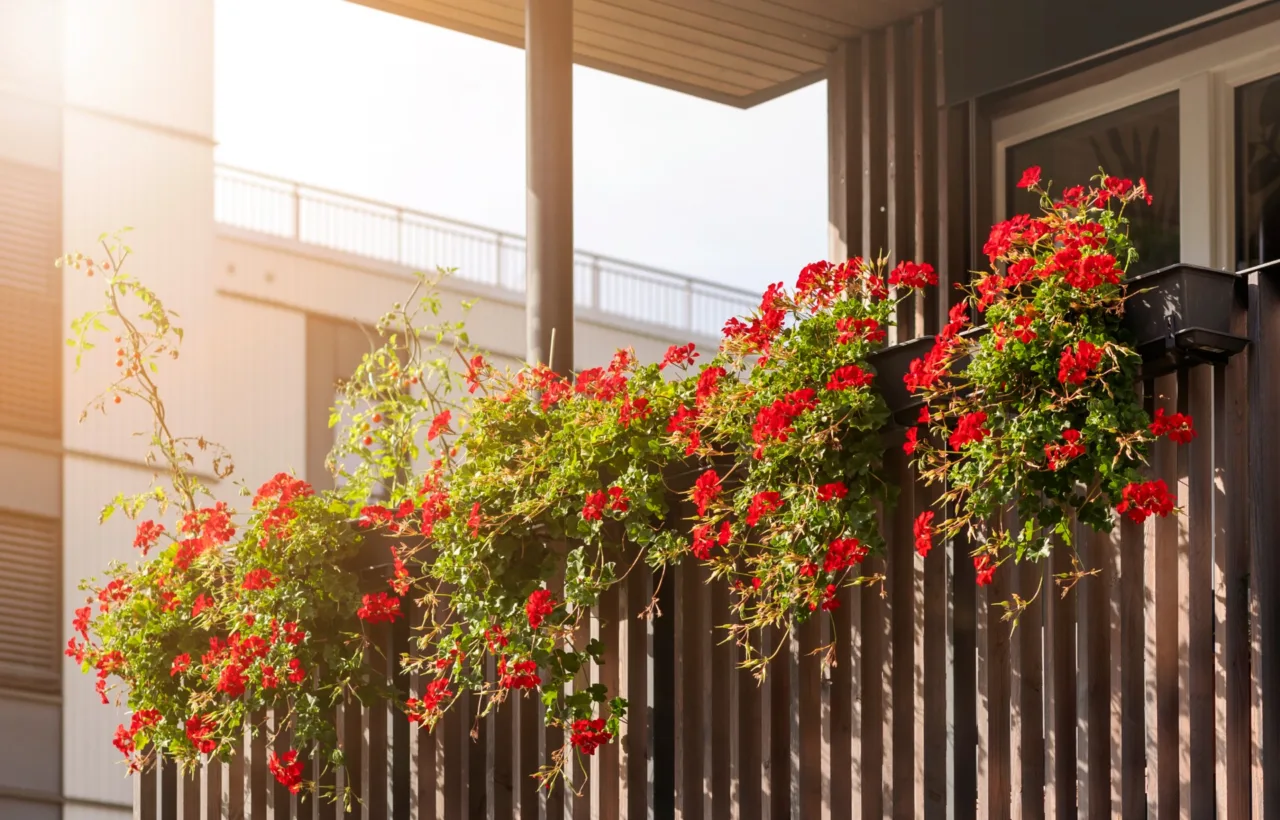
I hung three long troughs along the outer railing. They hold herbs, trailing nasturtiums, and a couple of compact peppers. The plants spill over the edge and make the balcony feel fuller without eating the walking path. Water drains outside the railing so my floor stays cleaner. FYI, choose ones with solid attachment points. Cheap clips fail in wind.
Wall and Trellis Options That Work
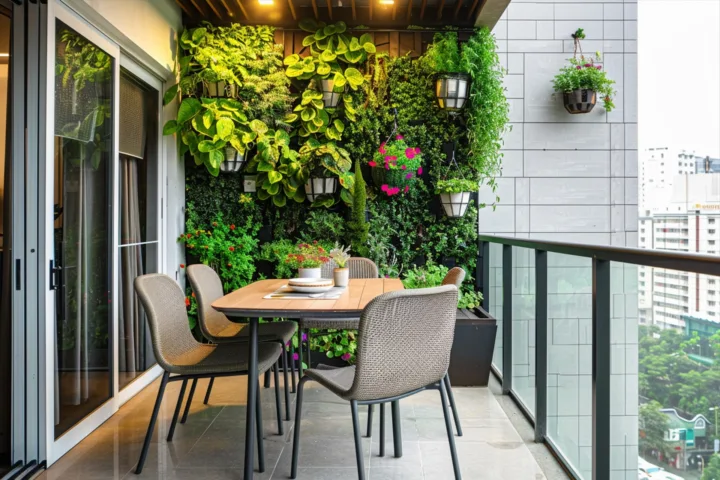
I mounted a simple lattice panel on one wall. Climbing beans and a small clematis use it every summer. The wall stays cool. The vines create a soft green screen that blocks the view of the parking lot. For renters who cannot drill, freestanding pocket planters lean against the wall and still give vertical real estate.
Stacking plant stands help too. I use a three-tier metal one in the corner. Shade plants sit on the bottom. Sun lovers ride the top. The footprint stays tiny while the plant count climbs.
Container Choices That Actually Survive the Season
Not every pot works on a balcony. I tested plastic, terracotta, fabric, and ceramic. Results varied hard.
Material Trade-offs I Noticed
- Plastic and resin: Light, cheap, hold moisture longer. They heat up in full sun and can look flimsy if you pick the wrong color. I use them for larger plants and hide them behind prettier pots.
- Terracotta: Looks great and breathes well. Dries out fast and cracks if water freezes inside. I only use it for herbs I water often.
- Fabric grow bags: Excellent drainage and root health. They need more frequent watering and can look wrinkled. I like them for potatoes and deep-rooted veggies.
- Ceramic or glazed: Heavy and stylish. The weight helps against wind but limits how many you can place. I keep two for showpiece plants near the door.
Drainage holes are non-negotiable. I drill extra ones in anything that arrives without enough. Standing water kills roots faster than forgetfulness.
Soil mix matters more than most people admit. Regular garden dirt turns to concrete in containers. I blend potting mix with a handful of perlite and a bit of compost. Roots stay loose. Water moves through. Plants stay happier longer.
Plant Picks That Deliver Without Drama
I stopped chasing every pretty flower I saw online. Now I stick to plants that match my light and my attention span.
Reliable Herbs and Edibles
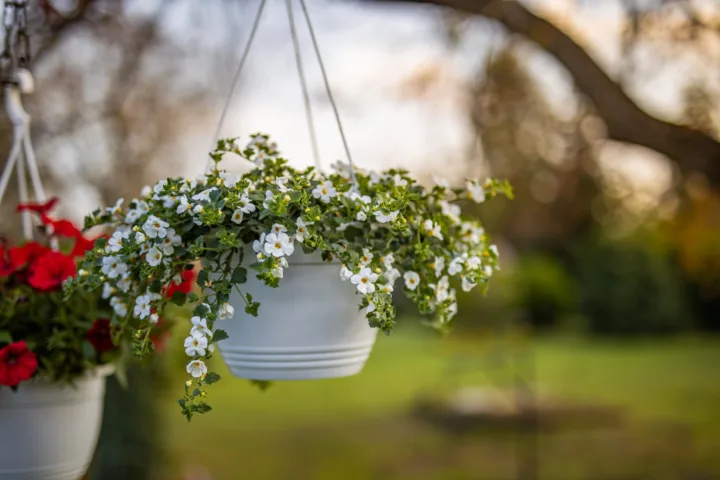
Basil, mint, chives, and parsley give me the highest return for the space. I keep mint in its own pot so it cannot take over. Cherry tomatoes in a hanging basket produce more than I expected once I switched to a determinate variety. Leafy greens like lettuce and spinach handle partial shade and give quick harvests. One season I grew enough salad greens to skip store bags for weeks.
Flowers That Pull Their Weight
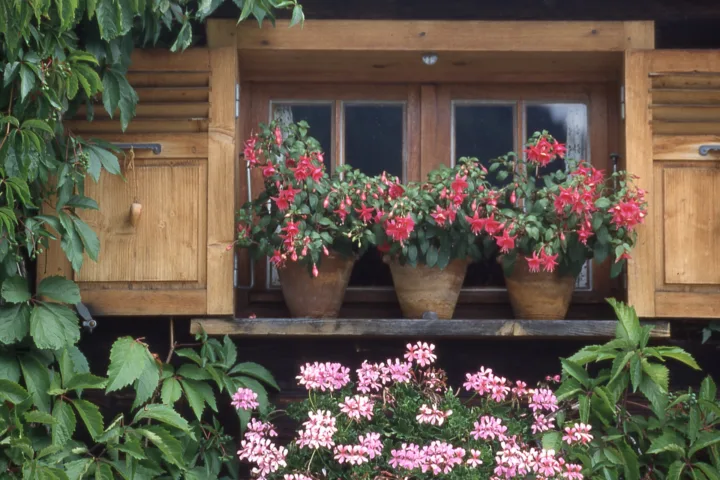
Marigolds keep some pests away and bloom hard. Petunias trail nicely from the railing planters. I tried geraniums one year and loved the color, but they needed more deadheading than I wanted to give. Now I pick lower-maintenance bloomers that still look intentional.
Plants I Skip Now
Anything that needs constant high humidity. Large tropicals that outgrow the space in two months. Delicate plants that collapse in the first heat wave. My balcony is not a greenhouse. I design for the conditions I actually have.
Watering and Feeding Without the Guesswork
Containers dry out faster than garden beds. I learned that the expensive way when my first tomato plants wilted every afternoon.
I water in the morning. Cooler temperatures mean less evaporation and less stress on the plants. I stick a finger into the soil up to the second knuckle. Dry? Water until it runs out the bottom. Still damp? Wait. Automatic timers helped when I traveled, but I still check the soil myself most days.
Fertilizer stays light. A diluted liquid feed every two weeks during peak growth keeps things moving. Too much salt builds up in containers and burns roots. I flush the pots with plain water once a month to clear excess.
Layout Tricks That Make the Space Feel Bigger
Crowding kills the vibe. I leave clear walking paths even if that means fewer plants. A small folding chair and a tiny side table create a place to sit without blocking access.
I group plants by water needs. Thirsty ones sit together so I do not overwater the drought-tolerant ones. Color repetition helps the eye travel. Three pots of the same flower in different heights look more designed than a random mix.
Lighting at night changes the whole mood. Soft string lights along the railing make evenings usable. I avoid anything that generates heat near the plants.
Common Mistakes I Still See (and Used to Make)
People buy every trendy plant at once. The result is a jungle that needs daily attention and looks messy by August. Start smaller. Expand next year once you know what thrives.
Another trap: ignoring the view from inside. I place the prettiest arrangements where I see them from the couch. The balcony becomes part of the living space instead of a forgotten zone.
Weight distribution gets overlooked. Heavy pots clustered on one side can stress the structure. Spread the load.
Seasonal Adjustments Keep It Going
Spring means fresh soil and new starts. Summer demands consistent water and pest checks. Fall is for harvesting what is left and deciding what stays through winter. I overwinter a few hardy herbs indoors and let the rest finish their cycle. Clean empty pots. Store the sturdy ones. Compost the spent soil or refresh it for next year.
Winter on my balcony stays quiet. A couple of evergreen shrubs in large pots give structure. Everything else rests. That rest period helps me plan the next design without rushing.
Frequently Asked Questions
How much sun does a balcony garden design really need? Most edible plants want at least six hours. Leafy greens and some herbs manage with four. Map your light first and match plants to the spots you actually have.
Can I do balcony garden design on a rental without drilling? Yes. Use freestanding stands, railing hangers that clamp, and heavy pots that stay put. I never drilled a single hole and still filled the space.
What is the biggest cost in setting up a balcony garden? Containers and good soil. Plants themselves stay relatively cheap if you start from seed or buy small. I spent more on quality pots the second year and saved money overall because fewer plants died.
How often should I fertilize container plants on a balcony? Every two weeks with a diluted mix during active growth works for me. Less is safer than more. Watch the leaves for clues.
Will my balcony garden attract pests or neighbors’ complaints? A few aphids showed up one summer. A strong spray of water handled most of them. Keep the space tidy and avoid plants that drop heavy fruit onto lower balconies. My neighbors mostly compliment the greenery now.
I treat my balcony like a small outdoor room that happens to grow food and flowers. The design process started messy and became reliable once I respected the limits of the space and chose plants that matched them. You do not need a huge budget or perfect conditions. You need clear observation, a few smart vertical moves, and the willingness to adjust when something fails.
Start with the light map and the weight check. Add one railing planter and two solid containers. Grow something you will actually eat or enjoy looking at every day. Expand only after that first setup proves itself. My balcony still has concrete underneath. The difference is that now the concrete sits under something worth stepping onto every morning.