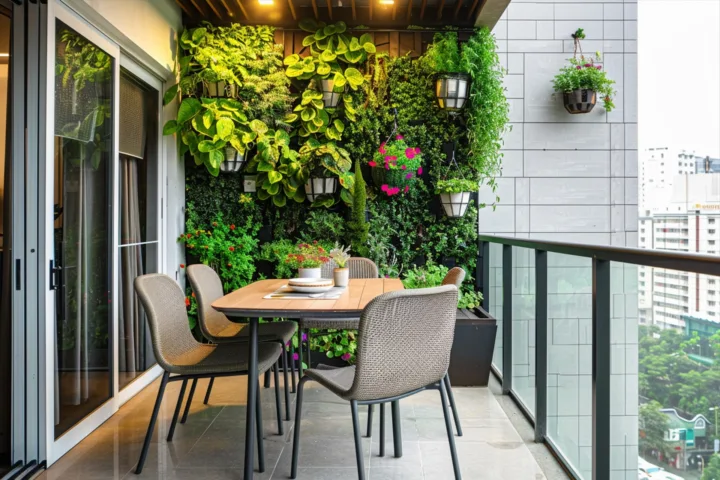

I spent years staring at my tiny apartment balcony and feeling stuck. No yard. No real dirt. Just a narrow strip of concrete that felt more like storage than a garden. Then I started testing 10 garden balcony ideas small spaces actually reward. The shift happened when I stopped treating the balcony like a leftover outdoor closet and started treating it like a vertical playground.
Honestly? My first attempts looked messy. Plants toppled. Soil spilled. I almost quit. What finally clicked was focusing on height, light weight, and plants that forgive a busy schedule. These ideas come from my own trial runs on a 4-by-8-foot balcony that gets mixed sun and the occasional strong wind. They work. They keep the space usable. And they deliver real green without taking over the entire floor.
Why Small Balconies Need Different Rules
I learned the hard way that regular garden advice fails here. Heavy pots crack under their own weight when wet. Tall plants catch every gust and tip. Watering means trips to the kitchen sink because no outdoor spigot exists on most apartments.
See, the real question is not how many plants you can cram in. The real question is how many plants you can keep happy without blocking the door or risking a building violation. Weight limits matter. Drainage rules matter. Sun hours matter more than plant catalogs admit.
I measure sun with my phone compass and a simple note in my calendar. Full sun means six hours or more. Partial means four. Shade means less. Match the plant to that number or watch it struggle. Wind dries soil faster, so I choose tougher options or add simple screens.
Go Vertical First: My Top 10 Garden Balcony Ideas for Small Spaces
I always start with the walls and railings. Floor space is too precious. Here is what actually worked for me.
Group vertical plants by watering needs, keeping thirsty herbs together and drought-tolerant plants in separate pockets or tiers.
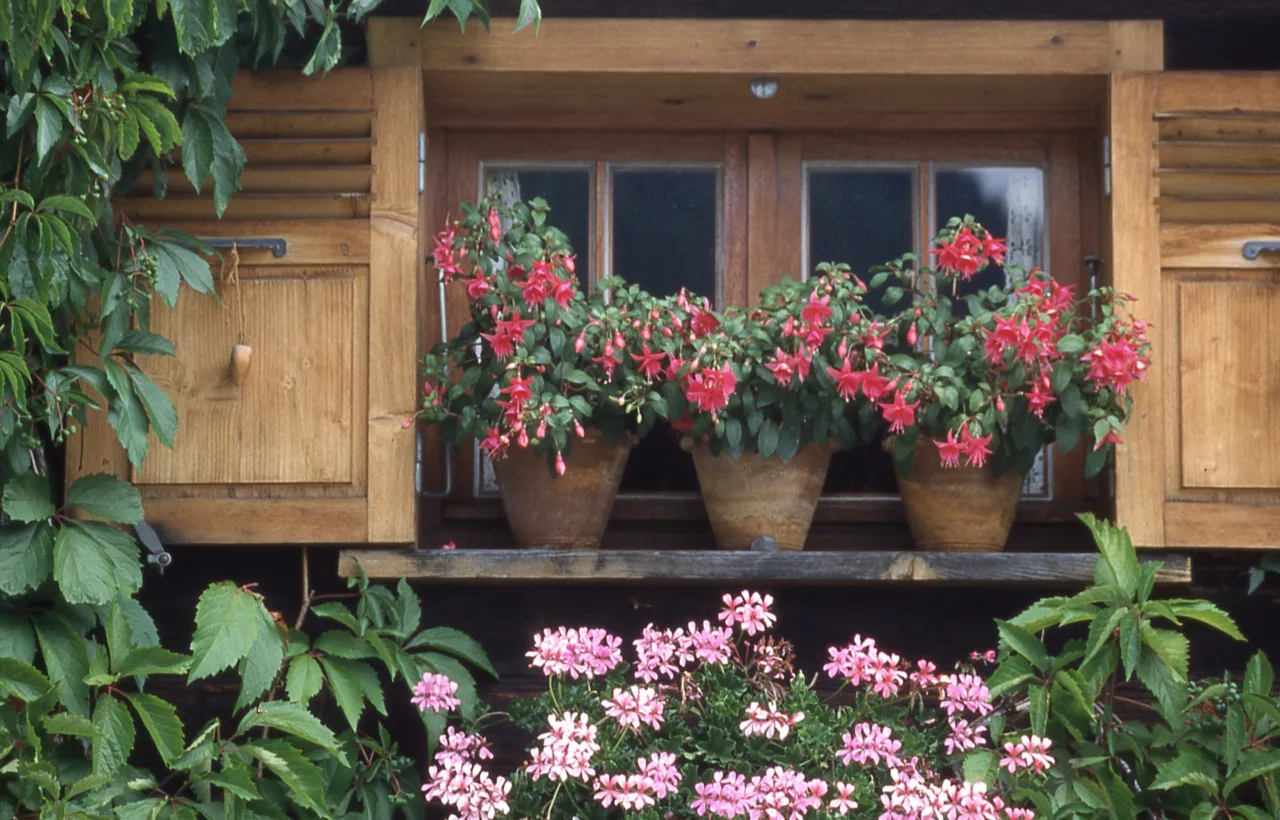
1. Railing Planters That Stay Put
I hung simple metal railing planters along the entire length. They hold herbs and trailing flowers without stealing floor room. Lightweight plastic or fabric versions keep the weight down. I fill them with basil, thyme, and petunias. The herbs sit right where I can snip them for dinner. Trailing plants soften the hard edges of the railing.
Secure them properly. I use the built-in clamps and add a bit of wire for windy days. Overflow trays catch water so nothing drips on neighbors below. This single change freed half my floor overnight.
2. Wall-Mounted Pocket Planters
I attached a fabric shoe-organizer style planter to the wall that gets the most light. Each pocket holds a small plant. Lettuce, strawberries, and more herbs thrived there. The whole thing weighs almost nothing when empty and folds flat in winter.
IMO this beats heavy wood shelves for beginners. No drilling if your building allows removable hooks. Water carefully from the top so lower pockets get moisture too. I rotate plants every few weeks so none get leggy.
3. Tiered Plant Stands
A simple three-level metal stand sits in one corner. Bigger pots on the bottom, smaller ones up top. Cherry tomatoes on the lowest shelf. Peppers in the middle. Succulents on the top where the light is strongest. The stand creates height without blocking the view.
I chose one with wheels. Moving it for cleaning or better sun takes ten seconds. Look for stands that fold or nest if storage is tight.
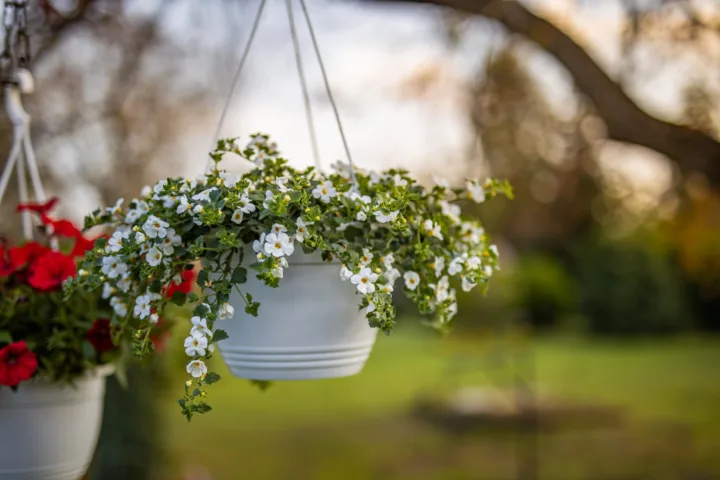
4. Hanging Baskets From the Ceiling or Overhead Structure
I installed a few sturdy hooks and hung baskets filled with ferns and trailing nasturtiums. They hang at different heights so they do not collide. The ferns handle the shadier spots near the wall. Nasturtiums spill over the edges and give me edible flowers.
Use lightweight soil mixes. Heavy baskets strain hooks and ceilings. Self-watering versions cut my watering trips in half during hot weeks.
5. Trellis Climbers for Privacy and Height
I set two tall pots against the railing and pushed a simple metal trellis into the soil. Morning glory and a compact cucumber climbed it within weeks. The greenery blocks the neighbor’s view without a solid screen. It also cools the space a little.
Choose plants that stay manageable. Aggressive vines need more pruning than I want to give on a small balcony. Secure the trellis well so wind does not pull the whole pot over.
6. Herb Cluster in Lightweight Pots
I grouped four or five medium plastic pots in one sunny corner. Basil, parsley, chives, and rosemary. Mint stays in its own pot because it spreads like crazy. I water them as a unit and harvest almost every day.
FYI: Group plants with similar water needs. Woody herbs like rosemary and thyme prefer drier soil than basil. Keep them separate or you will overwater one set.
7. Succulent Corner With Shallow Trays
One shady-ish corner holds a few shallow trays of echeveria, jade, and aloe. They need almost no water and laugh at wind. I added a layer of pebbles on top for looks and to slow evaporation. The whole setup weighs very little.
This became my low-effort zone. When I travel for a week, these plants barely notice. Pair them with a couple of taller architectural plants if you want more structure.
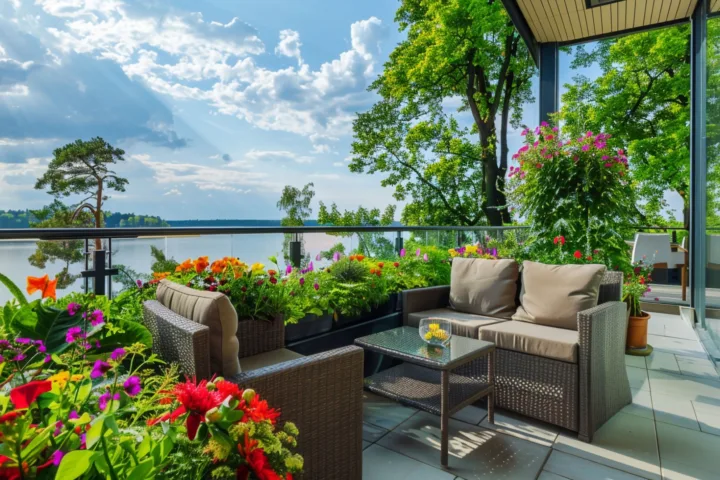
8. Foldable Bistro Set Plus Floor Pots
I keep a two-person foldable metal table and chairs. When not in use they collapse against the wall. Around them sit three medium pots with determinate cherry tomatoes and a couple of peppers. The plants stay in the sun. The seating stays available for morning coffee.
I learned to leave a clear path to the door. Nothing blocks the exit. That single rule keeps the space feeling open even when plants are full.
9. Fabric Grow Bags on Rolling Caddies
Grow bags are fabric, lightweight, and foldable. I use 5- and 10-gallon sizes for tomatoes and bush beans. Place each bag on a rolling plant caddy. I can spin them toward the best light or roll them inside during a storm warning.
Drainage is excellent. Roots stay cooler than in plastic. In fall I empty them, fold them, and store them under the bed. Perfect for temporary setups.
10. String Lights and Solar Lanterns for Evening Use
I strung simple solar fairy lights along the railing and hung two small solar lanterns. The garden stays visible after dark. I sit out longer. The plants look intentional instead of accidental.
Choose warm white lights. Cool blue feels clinical. Solar means no extension cords and no extra electric bill. Charge them fully the first sunny day and they last through short evenings.
Practical Details That Keep Everything Alive
I water early in the morning or late in the evening. Midday heat burns wet leaves. Self-watering pots and a couple of watering globes help when I am gone for a weekend. I keep a collapsible watering can filled and ready so the trip from the kitchen is short.
Soil matters. Regular garden dirt packs hard in pots and drains poorly. I use a light potting mix made for containers. It holds moisture without turning to mud. A bit of slow-release fertilizer every six weeks keeps growth steady.
Weight is non-negotiable. I avoid large ceramic pots. Plastic, resin, and fabric stay lighter even when wet. I check building rules before hanging anything permanent. Most places allow railing planters and freestanding pots if they do not drip on people below.
Plants I Actually Recommend for Small Balconies
- Herbs: Basil, thyme, chives, parsley, rosemary. Fast, useful, and compact.
- Vegetables: Determinate cherry tomatoes, bush peppers, lettuce, radishes, bush beans.
- Flowers: Petunias, nasturtiums, marigolds, alyssum. Color and some edibles.
- Tough foliage: Succulents, ferns for shade, dwarf citrus if you have strong sun and can bring it indoors in winter.
Start with three or four plants you will actually use or look at every day. Success builds confidence faster than a crowded failure.
Common Mistakes I Made So You Skip Them
I overplanted the first year. Everything competed for light and water. Now I leave breathing room between pots. Airflow prevents many fungal issues.
I ignored wind. Tall plants without support flopped. Now I stake early or choose compact varieties.
I forgot about drainage trays. Water marks on the floor led to a polite note from the building. Trays fixed that permanently.
Frequently Asked Questions
What are the best 10 garden balcony ideas small spaces can actually support?
Vertical setups, railing planters, hanging baskets, tiered stands, and lightweight grow bags top my list because they free the floor and keep weight manageable.
How much sun do I need for a productive balcony garden?
Most vegetables and herbs want at least four to six hours. Leafy greens and some herbs handle less. Track the light for a few days before you buy plants.
Can I grow vegetables on a very small balcony?
Yes. Choose compact or bush varieties and grow them in containers or vertical systems. Cherry tomatoes and peppers give solid harvests without taking over.
How do I water without making a mess or overworking myself?
Self-watering pots, watering globes, and a dedicated watering can cut trips. Water early or late. Always use trays under pots.
What if my balcony is mostly shade?
Focus on ferns, certain herbs like parsley and mint, and shade-tolerant flowers. Skip sun-loving tomatoes and most flowering annuals.
I still walk out every morning and check on the plants. Some days the tomatoes need staking. Some days the basil needs a haircut. The balcony no longer feels like wasted space. It feels like mine. Start with one or two of these ideas this weekend. Measure the light. Pick lightweight containers. Plant something you will harvest or simply enjoy looking at. The rest follows once you see the first real growth.