
I started my small balcony garden three years ago with one sad basil plant and a whole lot of doubt. My balcony measured maybe six feet by four. The railing rattled in the wind. The landlord had rules about weight. I still made it work.
You do not need a backyard. You do not need perfect conditions. You just need a few smart choices and the willingness to kill a plant or two while you figure things out. I killed plenty. Honestly? That was part of the process.
This is the exact path I followed. No fancy theory. Just what grew, what failed, and what finally turned my little concrete rectangle into a spot that actually produces food and looks good enough that friends ask for photos.
Assessing Your Space Before You Buy a Single Pot
I used to skip this step. Big mistake. The first summer I overbought pots, dragged them home, and realized half of them would never fit without blocking the door.
Walk out there with a notebook. Measure the floor. Measure the railing height. Note which direction the balcony faces. Mine faces east. I get solid morning sun and then shade by early afternoon. That one fact decided almost every plant I chose.
Check the weight limit if you can. Wet soil is heavy. A single large ceramic pot full of waterlogged mix can push the limits on older buildings. I stick to fabric grow bags and lightweight plastic for anything bigger than a dinner plate.
Wind matters more than most people admit. My balcony sits on the fifth floor. Gusts knock over tall plants and dry the soil out fast. I learned to place taller pots against the wall and use lower, wider containers near the edge.
Sun, wind, and weight. Those three factors shape everything else.
Ask building management about balcony load limits and railing attachment rules before adding wet soil or mounting planters.
Quick Checklist I Still Use Every Spring
- Floor space available after leaving a path for the door
- Hours of direct sun (I track it for two full days)
- Any overhangs or neighboring buildings that create shade
- Building rules about hanging things from the railing
Do this once and you save yourself weeks of frustration.
Choosing Containers That Actually Fit a Small Balcony Garden
I tried everything. Terracotta looked pretty but cracked in winter and weighed a ton. Cheap plastic faded and tipped over. Then I found what works for me.
Fabric grow bags became my go-to for vegetables. They are light, drain well, and fold flat when empty. I use 5-gallon ones for tomatoes and peppers. They sit on the floor without looking bulky.
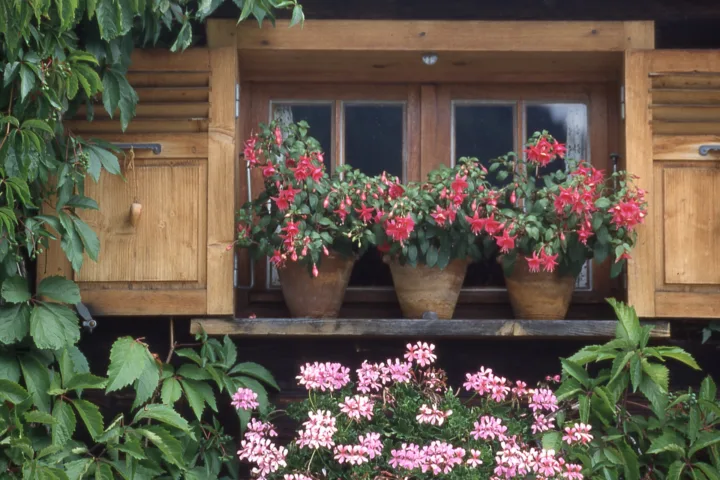
Railing planters freed up floor space I did not know I had. I hang two long ones filled with herbs and trailing strawberries. Just make sure they lock on securely. I once watched a planter full of mint take flight during a storm. Never again.
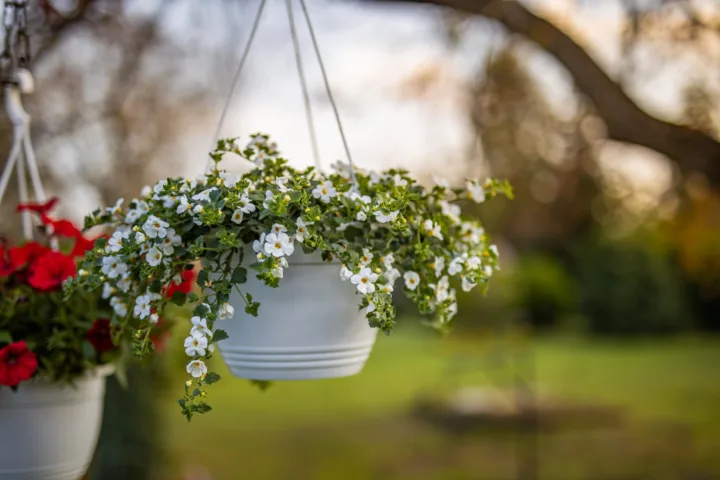
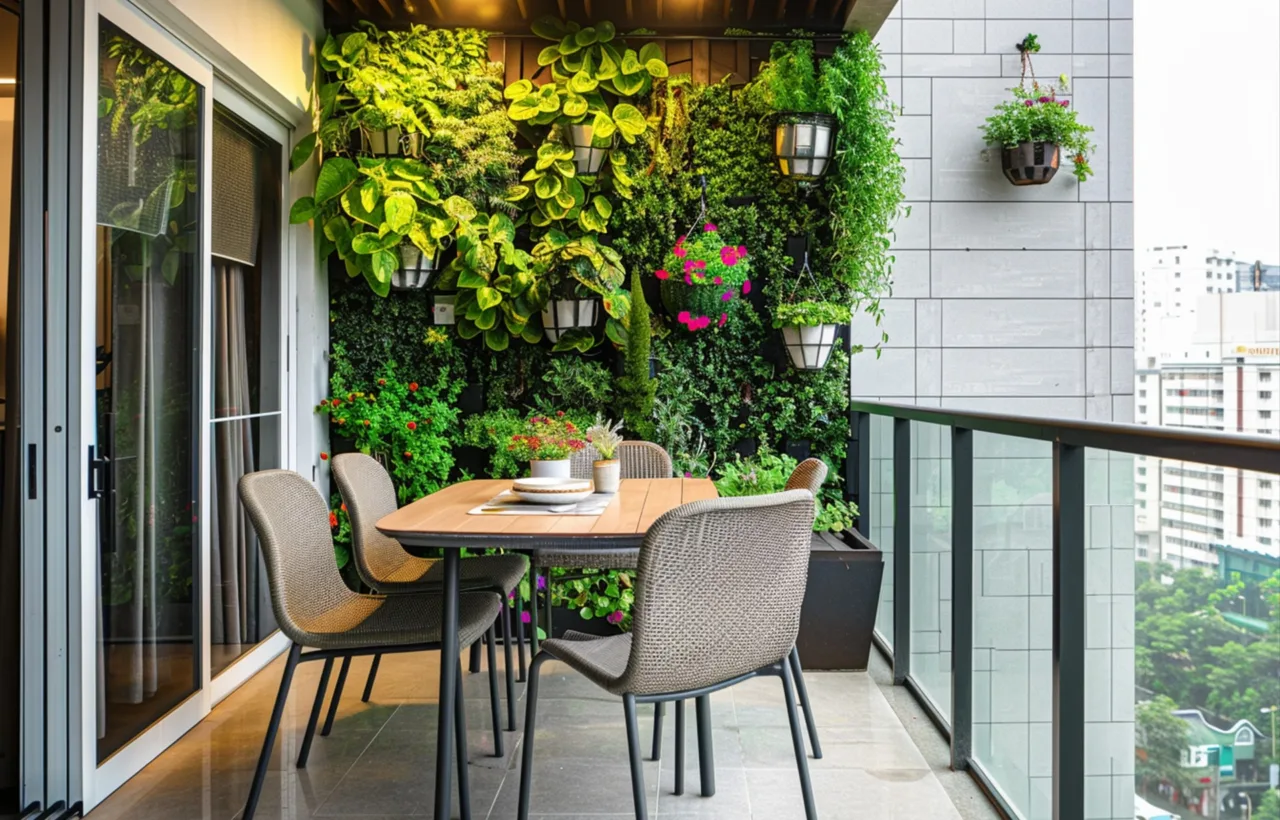
Vertical wall planters and simple hanging baskets turned the back wall into growing space. I screwed a few sturdy brackets into the brick (with permission) and hung three tiers. Suddenly the wall worked for me instead of just sitting there.
I avoid anything deeper than 12 inches unless the plant really needs it. Shallow-rooted herbs and greens thrive in smaller pots. Deep roots waste space and water.
One more tip: group pots on a rolling plant caddy if your balcony allows it. I move mine around to chase the sun or to clean underneath. Game? No. Just practical.
Measure each grow bag’s filled width, not its empty footprint, because flexible sides expand into door and chair clearance.
The Plants That Actually Survived My Learning Curve
I started with whatever looked cute at the nursery. Most of it died. Now I stick to plants that tolerate containers, variable light, and the occasional missed watering.
Herbs That Never Let Me Down
Basil loves the morning sun I get. I keep two pots going and pinch it constantly for pesto. Mint spreads like crazy, so I give it its own pot far from everything else. Rosemary and thyme handle the wind better than most. They forgive me when I forget them for a few days.
Vegetables Worth the Effort
Cherry tomatoes in a 5-gallon bag produce more than I expect every year. I choose determinate or patio varieties. They stay compact. Peppers do well too, especially smaller ones like shishito or jalapeño. Leafy greens such as lettuce, spinach, and Swiss chard grow fast in shallower containers. I succession plant them so something is always ready to harvest.
Beans and peas climb the railing if I give them a simple string trellis. They take almost no floor space and look cheerful while they grow.
Flowers and Foliage for Looks
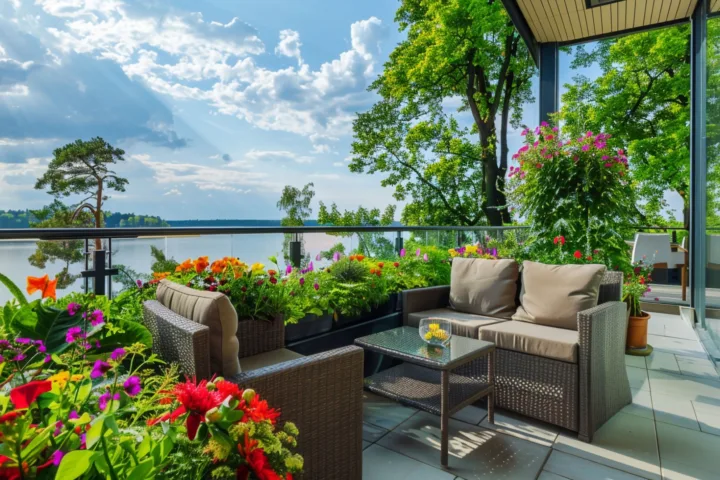
I add a few petunias or calibrachoa for color that spills over the edges. Ferns and coleus handle the shadier corners. Succulents live in the driest spots and need almost no attention. They just sit there looking good.
I learned to mix edible and ornamental. One pot of tomatoes next to a trailing flower looks intentional instead of like a science experiment.
Stick to plants labeled for containers. That single filter cut my failure rate in half.
Vertical Growing Changed Everything for My Small Balcony Garden
Floor space is limited. Vertical space is free. I lean hard into this.
A simple wooden trellis against the wall supports cucumbers and pole beans. I zip-tie it so it does not blow over. Hanging baskets from the ceiling (or a sturdy overhead bar) hold strawberries and trailing herbs. The wall planters I mentioned earlier hold salad greens at eye level. Harvesting feels like shopping my own shelves.
I even use a tall plant stand with three levels. It holds smaller pots of herbs and a couple of compact flowers. The whole thing takes up the footprint of one large pot but holds four times the plants.
See, the goal is not to cover every inch of floor. The goal is to use the air above the floor. Once I shifted my thinking that way, the balcony stopped feeling cramped.
Rate hanging hardware for the basket’s wet weight, including saturated soil and mature plants, rather than the container’s empty weight.
Watering and Soil Tricks I Wish I Knew Sooner
Balcony soil dries out faster than garden beds. Wind and sun pull moisture away. I check pots every morning in summer by sticking a finger in up to the second knuckle. If it feels dry, I water thoroughly until it runs out the bottom.
I use a watering can with a long spout so I can reach the back without knocking things over. For fabric bags I sometimes set them in a shallow tray for an hour so they can drink from the bottom.
Soil choice matters. Regular garden dirt is too heavy and can harbor pests. I buy a quality potting mix made for containers. It stays lighter and drains better. Every spring I refresh the top few inches and add a slow-release organic fertilizer. Midsummer I switch to a liquid feed every couple of weeks for the heavy feeders like tomatoes.
Overwatering killed more of my early plants than underwatering. The pots need drainage holes. Always. I elevate them slightly on pot feet so air circulates underneath.
Water fabric bags slowly in two passes, allowing the first soak to settle dry mix before finishing until drainage appears.
Dealing With Pests and Weather Without Losing My Mind
Aphids showed up one year on the beans. I sprayed them with a strong stream of water and then used a mild soap solution. It worked. Spider mites appeared during a hot dry spell. I increased humidity around the plants by grouping them and misting lightly in the evening.
Wind is the bigger daily challenge. I stake anything over a foot tall. I move delicate pots against the wall on stormy days. In winter I bring the hardiest herbs inside near a bright window and let the rest go dormant or compost them.
I accept that some seasons will be better than others. One summer the tomatoes exploded with fruit. The next year a late cold snap set them back. That is balcony life. You adapt and try again.
My Current Layout That Actually Works
Here is the setup that has lasted two full seasons without major changes:
- Two railing planters with mixed herbs and strawberries
- Three 5-gallon fabric bags on the floor for tomatoes, peppers, and a compact cucumber
- A three-tier plant stand against the back wall holding greens and small flowers
- Two hanging baskets from the overhead structure with trailing plants
- A small folding chair and a tiny side table so I can sit out there with coffee
The path to the door stays clear. Nothing blocks the view too much. I can still open the door fully. That balance matters more than packing in every possible plant.
I rotate a couple of pots each season to keep things interesting, but the bones stay the same. Consistency beats constant redesign.
Common Mistakes I Made So You Do Not Have To
I bought too many plants at once. The balcony looked full for two weeks and then everything competed for light and water. Start with five or six strong performers. Expand later.
I ignored drainage. Pots without holes turned into swamps. Roots rotted. Lesson learned the hard way.
I placed tall plants in front of shorter ones. The short ones got shaded and sulked. Now I think in layers: tall against the wall, medium in the middle, trailing at the edges.
I forgot about the view from inside the apartment. A wall of dense pots can make the living room feel darker. I leave some open space so light still comes through.
Start small. Observe. Adjust. That rhythm works better than any perfect plan drawn on paper.
Do not pair thirsty tomatoes with drought-tolerant herbs in one container, even when both fit the balcony’s light.
Frequently Asked Questions
How much sun does a small balcony garden really need? Most edible plants want at least four to six hours of direct sun. I grow leafy greens and some herbs with less, but tomatoes and peppers need the full morning light my east-facing spot provides.
Can I grow vegetables successfully on a small balcony? Yes. I harvest cherry tomatoes, peppers, beans, and salad greens every year from containers. Choose compact varieties and give them the biggest pots you can manage without overcrowding.
What is the best way to water a small balcony garden when I travel? I group pots together and set up a simple self-watering system with water spikes in the larger containers. For short trips a trusted neighbor or a slow-drip bottle works. Fabric bags hold moisture longer than thin plastic once they are well soaked.
Do I need special soil for balcony containers? Regular garden soil is too dense. I always use a lightweight potting mix designed for containers. It drains better and keeps the overall weight lower.
How do I keep my small balcony garden looking tidy? I deadhead flowers, harvest herbs regularly, and remove yellow leaves the moment I see them. A quick five-minute tidy every few days prevents the whole space from looking overgrown.
I still walk out there some mornings and feel surprised it works. The basil smells sharp when I brush past it. The tomatoes turn red one by one. The railing planters spill green over the edge. None of it required a big yard or expensive gear.
Start with one railing planter and a couple of herb pots. Watch how the light moves across your space. Adjust as you go. Your small balcony garden will teach you what it needs if you pay attention.
Mine did. Yours will too.