
I spent years staring at my bare concrete balcony and feeling defeated. Every pot I bought just cluttered the floor until I could barely open the door. Then I switched to vertical growing and everything changed. These 13 balcony vertical garden ideas turned that sad slab into the greenest spot in my building. I still get neighbors asking how I pulled it off in such a small footprint.
I live in a third-floor apartment with a balcony that measures maybe six by eight feet. Wind hits hard. Sun shifts all day. Weight limits matter. I tried the usual floor pots first. They failed me. Vertical fixed it. Here’s exactly what worked, what flopped, and what I keep doing year after year.
Why I Went Vertical on a Tiny Balcony
Floor space vanished the second I added a chair. Honestly? I almost gave up on outdoor plants altogether. Then I noticed how much empty wall and railing sat there doing nothing. Growing up instead of out solved the problem. Plants got better light. I kept walking room. The whole space felt bigger, not smaller.
My first season I lost half my herbs to overwatering and wind. The second season I got smarter. I stuck to systems that drain well and stay secure. Now I harvest basil, mint, and cherry tomatoes without stepping on anything. That shift felt personal. Writing this still makes me grin.
1. Wall-Mounted Planter Grids
I bolted a simple metal grid to the solid wall side of my balcony. Each square holds a small pot or fabric pocket. I rearrange them whenever a plant outgrows its spot. Herbs and succulents love this setup. Trailing nasturtiums spill over the edges and look intentional.
Weight stays low because the frame spreads it out. I water from the top and excess drips into a tray I empty once a week. My first grid cost under $40 at a hardware store. Two seasons later it still holds strong. If your building bans drilling, freestanding versions exist that lean instead.
Use removable hooks or tension supports for trailing nasturtiums, keeping stems from catching wind while preserving the grid’s rearrangeable layout.
2. Classic Hanging Baskets
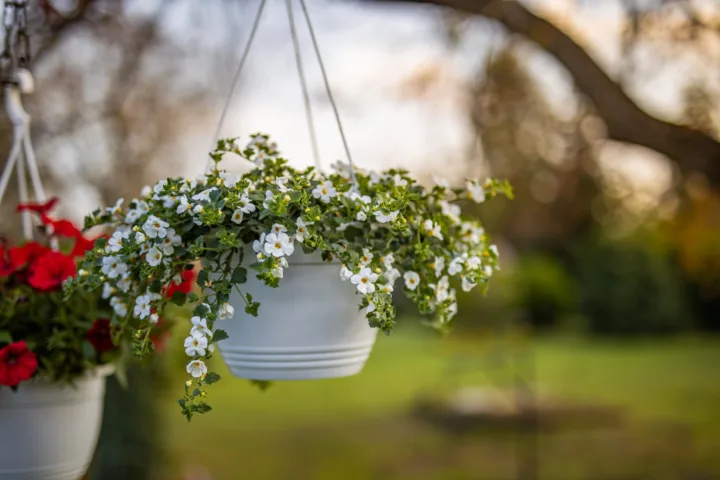
I hung three baskets from the ceiling brackets that already existed for lights. Trailing petunias and ferns cascade down. They take zero floor space. I group them at different heights so the display looks layered instead of flat.
Drainage trays matter here. Without them water drips on the neighbor below and that conversation gets awkward fast. I switch to lighter plastic pots in summer when the wind picks up. These baskets still give me the biggest color payoff for the least effort.
3. Ladder-Style Plant Stand
A wooden ladder leaned in the corner changed everything. Each rung holds a pot. Tall plants sit on top. Smaller ones fill the middle. Trailing ones hang off the sides. The footprint stays tiny while the plant count climbs.
I found mine secondhand for $25. A quick coat of outdoor sealant kept the wood from warping. Windy days used to tip lighter stands. This one stays put because the base sits wide. I move plants around for better sun without rearranging the whole balcony.
4. Trellis for Climbing Vines
I attached a lightweight bamboo trellis to the railing. Jasmine and morning glory climbed it within weeks. By midsummer I had a living privacy screen that blocked the view from the street without blocking my light.
Bamboo stays light enough for most weight limits. Metal versions work too if you need something stronger. I train the vines weekly so they fill the gaps instead of growing sideways. The scent hits me every time I step outside. That alone makes the effort worth it.
5. Fabric Pocket Planters
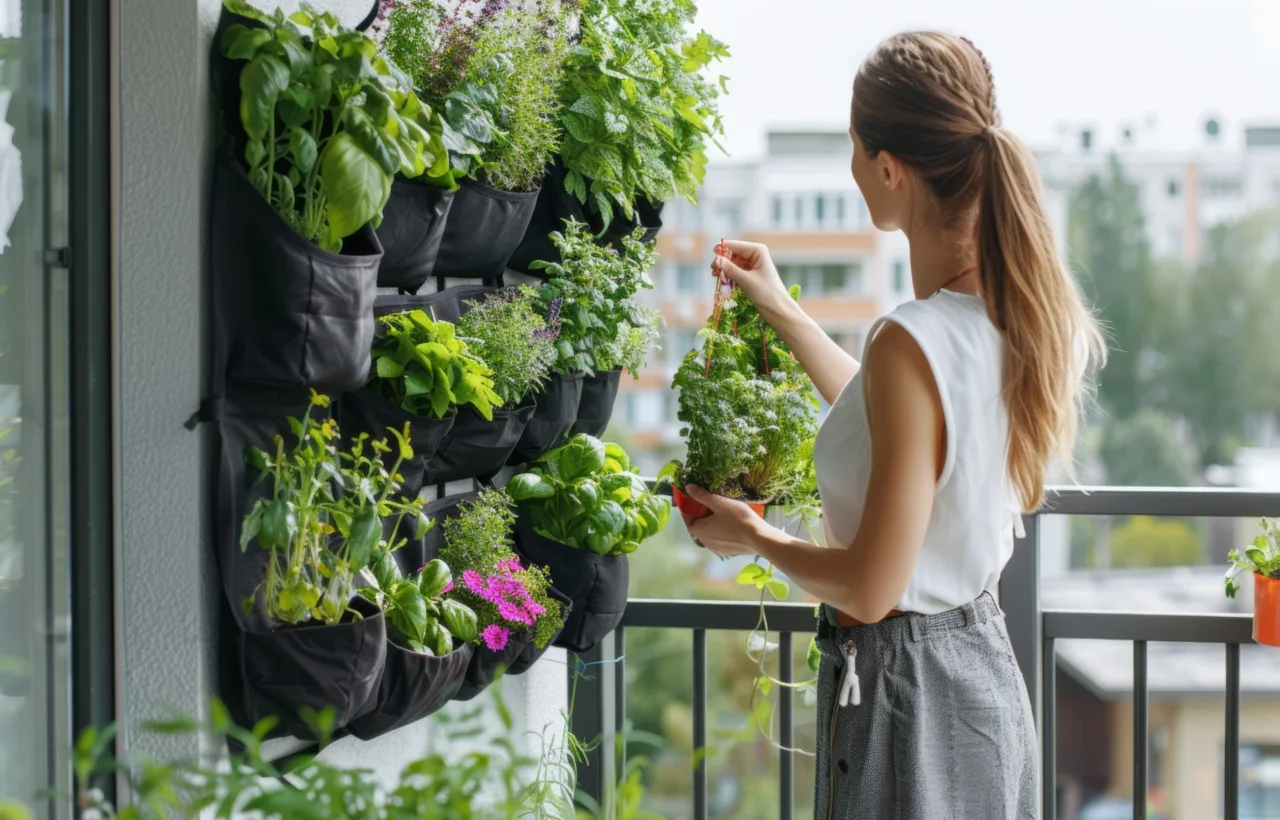
These look like over-the-door shoe organizers but for plants. I hung one on the wall and filled the pockets with soil and herbs. Basil, thyme, oregano, and chives all live there now. Breathable fabric stops root rot better than plastic.
I water carefully because the pockets dry faster than pots. In winter I move the whole thing indoors near a bright window. Cost stayed under $30. The grid pattern looks neat even when some plants take a break. This one ranks high on my personal list for pure usefulness.
6. Tiered Plant Stands
A metal étagère sits in another corner. Three levels hold pots of different sizes. Leafy greens go on top where light hits hardest. Trailing plants sit lower so they don’t shade everything else.
Stability matters on a balcony. I chose one with a wide base and added a couple of bricks for extra weight on windy days. The vertical stack multiplies growing space without stealing walking room. I rotate pots every few weeks so every plant gets its turn at the best light.
7. Repurposed Pallet Garden
I stood a free shipping pallet upright, lined the back with landscape fabric, and stapled it tight. Soil went into the gaps between boards. Herbs and strawberries filled the rows. The rustic look fits the space better than store-bought systems sometimes.
Securing it to the wall keeps it safe on higher floors. A coat of outdoor stain protects the wood. I water from the top and let gravity do the rest. This project cost almost nothing and taught me more about drainage than any tutorial. Messy first tries still beat empty space.
8. Macramé Plant Hangers
Three macramé hangers cluster near the ceiling. Different lengths create depth. Pothos and string of pearls trail down in soft green curtains. The texture alone softens the hard concrete and metal of the balcony.
I hang them from a single sturdy hook rated for outdoor use. Clustering three looks intentional. One alone can look sparse. These hangers add personality without adding clutter. Trailing plants suit them best because the focus stays on the cascade.
9. Railing Window Boxes
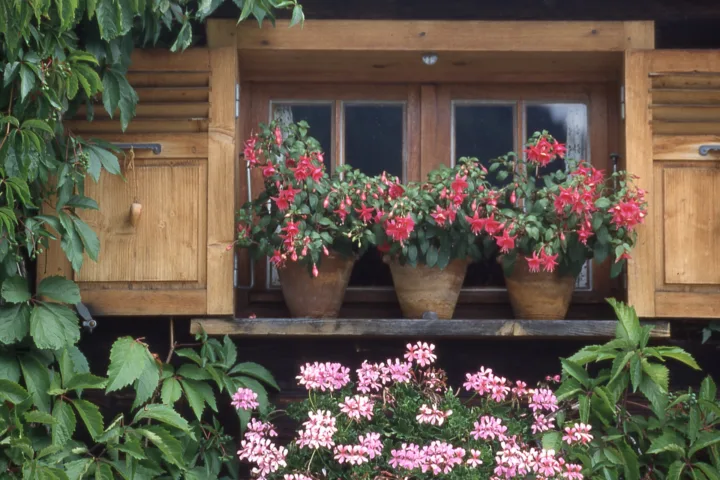
Long narrow boxes clamp right onto the railing. I fill them with a mix of flowers, trailing vines, and a few herbs. The continuous line of color makes the balcony feel finished instead of temporary.
Secure brackets matter more than looks here. Wind on the third floor tests everything. I check the clamps every month. These boxes give me the classic window-box vibe without needing actual windowsills. They use zero floor space and deliver high visual impact.
10. Stackable Planter Towers
I bought a set of interlocking pots that stack into a column. Water drains from the top pot through each level below. Strawberries and salad greens thrive in this setup. The whole tower takes the same footprint as one large pot.
No drilling required. That alone makes it perfect for rentals. I place it where it gets morning sun and afternoon shade. The stacked design keeps roots cooler than single pots sometimes. Harvesting feels like a treasure hunt because plants hide in different layers.
11. Living Wall Kits
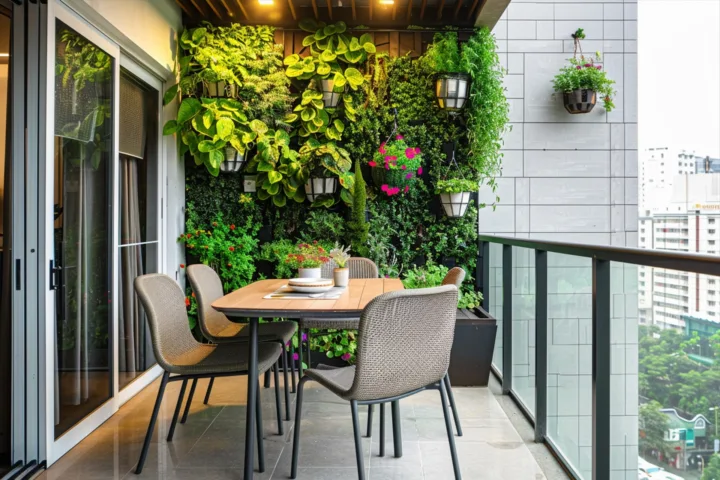
I tried a modular living wall panel with built-in irrigation on the largest solid wall. The upfront cost hit higher than DIY options. The payoff arrived in density. One panel holds more plants than three separate stands.
Watering becomes almost automatic once the system runs. I still check it weekly. The lush backdrop makes the whole balcony feel like a private garden. If budget allows and your walls can handle the weight, this option delivers the most dramatic result. I use it for a mix of ferns and flowering plants.
12. Herb Spiral on the Railing
A spiral-shaped planter wraps part of the railing. Different heights create natural microclimates. Lower spots stay moister. Upper spots dry faster. I match herbs to those conditions without separate pots.
The shape looks decorative on its own. Function stays high because I grow what I cook with most. Basil, cilantro, and parsley rotate through the seasons. This idea combines kitchen usefulness with visual interest better than flat boxes sometimes.
13. Recycled Bottle Planters
I cut plastic bottles, painted them in a matching color palette, and mounted them in rows on a wooden board. Succulents and small herbs fill each bottle. The eco angle feels good. The cost stays near zero.
Painting hides the recycled look so the display feels intentional. Drainage holes in the bottom prevent soggy roots. I group them tightly for a fuller effect. This project taught me that low-budget solutions can still look polished when you treat them with care.
Practical Tips I Learned the Hard Way
Start small. One or two systems beat ten half-finished projects. Check your building rules before drilling. Weight limits and wind exposure change everything on higher floors.
Watering needs shift with vertical setups. Pockets and hanging baskets dry faster than floor pots. I water in the morning so leaves dry before night. A cheap moisture meter stopped most of my early overwatering disasters.
Soil choice matters. Lightweight potting mix with good drainage keeps weight down and roots happy. I add a slow-release fertilizer once at planting and top up monthly during peak growth.
Sun patterns change across the balcony. I watch where light hits for a full week before placing permanent systems. Moving plants around the first month saves later frustration.
Frequently Asked Questions
What are the best 13 balcony vertical garden ideas for beginners? Start with hanging baskets, railing boxes, and a simple ladder stand. Those three need the least tools and give quick results. Pocket planters come next once you feel comfortable with watering.
How much weight can a typical balcony hold for vertical gardens? Most apartment balconies handle 50 to 100 pounds per square foot, but rules vary. Stick to lightweight materials and spread weight across multiple points. Always check with your building management first.
Do vertical gardens work in shady balconies? Yes. Ferns, pothos, and certain herbs handle lower light. I keep sun-loving plants on the brighter edge and shade-tolerant ones closer to the wall. Matching plants to actual conditions beats forcing the wrong ones.
How often should I water a balcony vertical garden? Most of my systems need water every two to three days in summer heat. Fabric pockets and hanging baskets dry faster than solid pots. Stick a finger in the soil. Water when the top inch feels dry.
Can I grow vegetables in these vertical setups? Absolutely. Strawberries, cherry tomatoes, lettuce, and most herbs thrive. I skip heavy fruiting plants like full-size tomatoes because the weight and support needs get complicated on a small balcony.
Final Thoughts From My Own Balcony
These 13 balcony vertical garden ideas turned a neglected concrete rectangle into the spot I actually want to sit. I started with one hanging basket and a ladder stand. Now the walls, railings, and corners all pull their weight. Plants grow. I harvest. The space feels alive.
You do not need a perfect setup on day one. Pick two ideas that fit your light, wind, and rules. Install them. Watch what thrives. Adjust next season. Messy progress still beats an empty balcony every time. Go plant something this weekend. Your future self will thank you when the first harvest hits the cutting board.