
I turned my tiny apartment balcony into a green escape last spring. Space was tight. Wind hit hard. Sun came and went. Still, I made it work with 11 balcony garden ideas apartment setups that felt doable instead of overwhelming.
Honestly? I started with zero experience and a few sad plastic pots from the discount bin. The first tomatoes died. The mint took over everything. I almost gave up. Then I switched tactics. I focused on what my balcony could handle instead of what some glossy magazine promised. That shift changed everything.
You want plants. You want them without a backyard or a huge budget. These ideas deliver. I tried most of them myself on a 6-by-10-foot slab of concrete that faces east. Some thrived. A couple taught me hard lessons. All of them taught me something useful.
Why Small Balcony Gardens Feel Impossible (Until They Don’t)
Apartment rules limit weight and water runoff. Neighbors notice everything. The wind dries soil faster than you expect. I learned that the hard way when my first batch of lettuce bolted and tasted bitter.
See, the wrong question is “How do I make this look like a magazine spread?” The right question is “What can I keep alive with the light and space I already have?” Once I asked that, progress came fast.
I stuck to containers under 15 pounds when filled. I used saucers to catch drips. I checked the lease twice. Those boring details kept the landlord happy and the plants alive.
11 Balcony Garden Ideas Apartment Setups I Actually Used
I numbered these from the ones that saved the most floor space to the ones that fed me best. Every single idea worked on my small balcony. Yours can too.
Measure usable floor, railing, and wall space first, then assign each balcony garden idea to a location before buying containers.
1. Railing Planters That Steal Zero Floor Space
I clamped three long planters along the top rail. They held trailing petunias and a few herbs. The view from the street improved overnight. Floor space stayed clear for a chair.
Key tips I learned:
- Choose planters with built-in brackets that lock tight.
- Fill only the bottom third with soil so the weight stays manageable.
- Water early in the morning before the sun hits hard.
The petunias spilled over the edge like a soft curtain. I sat out there most evenings just watching them move in the breeze.
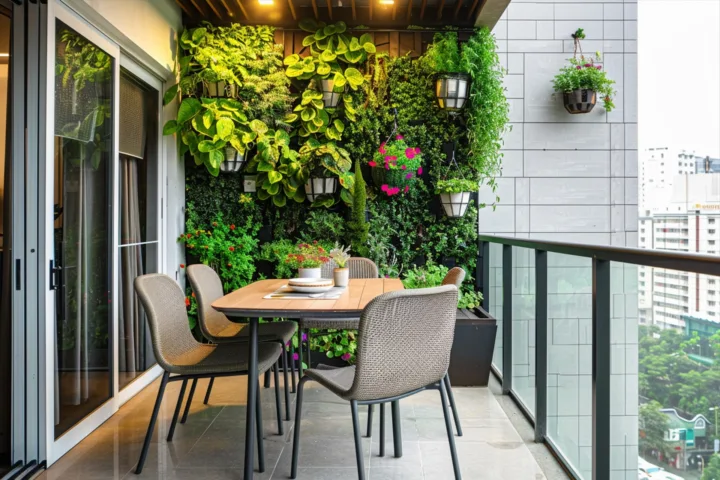
2. Vertical Wall Pockets for Herbs
I hung a fabric pocket planter on the wall beside the door. Six pockets. Six herbs. Basil, parsley, chives, thyme, oregano, and mint (mint in its own pocket because that plant has no boundaries).
Honestly? The first time I snipped fresh basil for pasta I felt like a genius. The whole setup cost under $40 and took twenty minutes to hang.
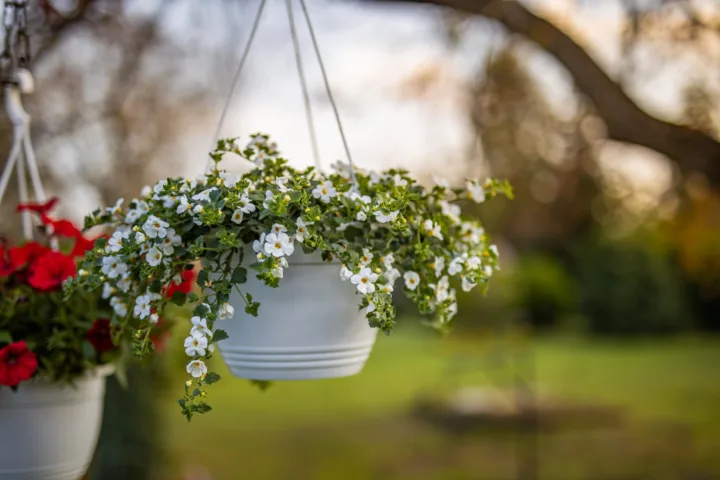
3. Hanging Baskets at Different Heights
Three baskets hung from the ceiling hooks at staggered levels. One held cherry tomatoes. One held strawberries. One held a mix of trailing vines. The different heights made the balcony feel taller somehow.
I watered them with a long-spout can so I did not drip on my head every time. Small detail. Big difference.
4. Stacked Tiered Planters Against the Wall
I bought a three-tier metal stand that fits in a corner. Bottom level got leafy greens. Middle held peppers. Top held a cascade of nasturtiums. The whole thing used about two square feet of floor.
What worked best for me:
- Lightweight plastic pots instead of heavy ceramic.
- A saucer under the entire stand to catch runoff.
- Rotating the stand every few days so every side got light.
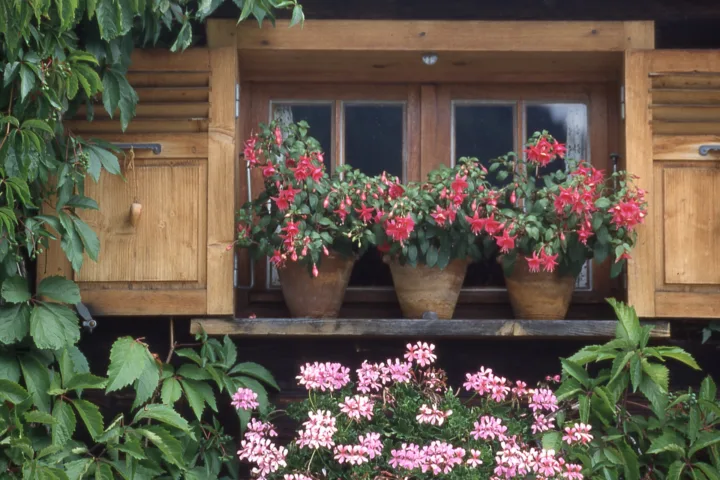
5. Window-Box Style Containers on the Floor
I lined four long rectangular boxes along the railing base. They looked neat and held a solid mix of lettuce, radishes, and edible flowers. The boxes acted like a soft barrier between the railing and the sitting area.
I filled them with a lightweight potting mix mixed with perlite. The plants stayed healthier and the boxes stayed easier to move when I needed to sweep.
6. Single Large Pot for a Statement Plant
One big pot held a determinate tomato plant with a cage. That single plant gave me more tomatoes than I expected. I placed it where the afternoon sun hit strongest.
I staked it early. I pruned the suckers. I talked to it sometimes. Whatever works.
7. Succulent Shelf for Low-Maintenance Days
I installed a narrow shelf at waist height and filled it with small succulents and a few air plants. On days I forgot to water, they forgave me. The shelf used almost no floor space and looked intentional instead of cluttered.
IMO, this is the perfect starter idea if you travel a lot or simply forget things.
8. Herb Cluster Right Outside the Kitchen Door
I grouped five medium pots of kitchen herbs right next to the sliding door. Snipping for dinner took ten seconds. The smell hit me every time I walked outside.
I kept mint separate. Always keep mint separate. That plant will invade anything nearby if you let it.
9. Climbing Trellis for Vertical Interest
I leaned a simple wooden trellis against the wall and planted two cucumber plants at the base. They climbed fast. The cucumbers hung at perfect picking height. The trellis also gave a bit of privacy from the building next door.
I used soft ties instead of wire so the stems stayed happy.
10. Mixed Container Collection with Color Themes
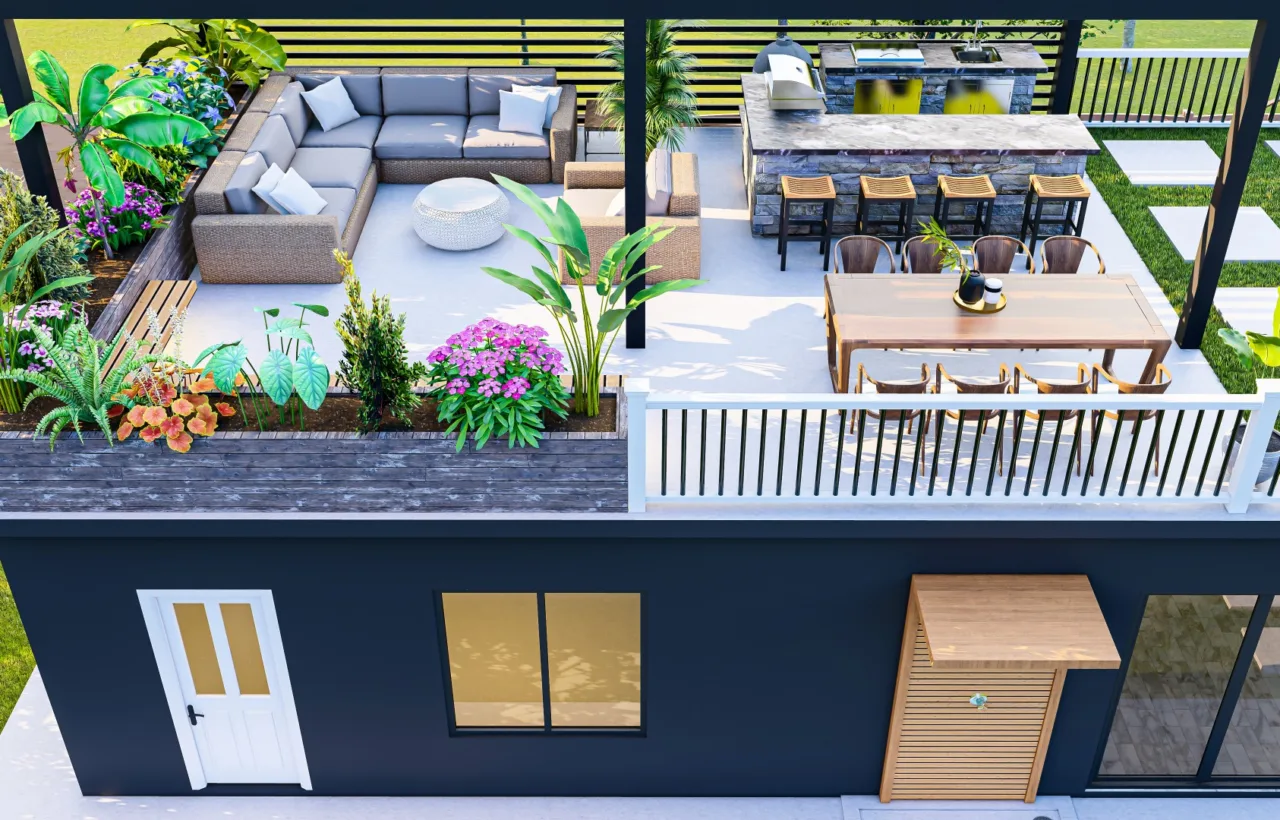
I chose pots in the same color family (soft greens and terracotta) and filled them with a mix of flowers and edibles. The matching pots made the whole balcony look intentional instead of random. I kept the tallest plants toward the back and the trailing ones toward the front.
Color coordination turned out to matter more than I expected. The space felt calmer.
11. Self-Watering Containers for Busy Weeks
I invested in two self-watering pots for my most important plants. The reservoir held enough water for several days. When life got hectic, the plants still survived. Those two pots became the anchors of the whole setup.
FYI, the reservoirs also cut down on how often I had to carry the watering can outside.
Practical Details That Keep Plants Alive on a Balcony
Light matters more than anything. My east-facing balcony got solid morning sun and then shade. I chose plants that matched that pattern. Full-sun tomatoes went in the brightest corner. Leafy greens handled the shadier spots.
Weight limits exist for a reason. I never filled more than half the containers with soil at first. I added more only after I knew the structure could handle it.
Wind is the silent killer. I grouped taller plants together so they sheltered each other. I used heavier pots for plants that caught the breeze.
Watering schedule stayed simple. I checked the top inch of soil every morning. If it felt dry, I watered. If it felt damp, I waited. Overwatering killed more of my early plants than underwatering ever did.
Soil choice changed everything. Regular garden dirt stays too heavy and drains poorly in pots. I switched to a quality potting mix with added perlite and never looked back.
Check every container for drainage holes and use saucers beneath them, especially on apartment balconies where runoff can stain or damage the surface below.
Common Mistakes I Made So You Can Skip Them
I bought plants that needed more sun than my balcony offered. They stretched and looked sad. Match the plant to the light you actually have.
I ignored the wind at first. A few top-heavy pots tipped over during a storm. Now I keep everything lower or well-staked.
I overplanted. Too many pots made the space feel crowded and hard to walk through. I removed three and suddenly the balcony felt usable again.
I forgot about drainage. Standing water in saucers invited mosquitoes and root rot. I emptied the saucers every couple of days.
How I Watered and Fed Everything Without the Drama
A simple watering can with a long spout handled most jobs. For the hanging baskets I used a pump sprayer. Both cost less than a fancy system and gave me control.
I fed with a diluted liquid fertilizer every two weeks during peak growth. Half-strength worked better than full-strength. The plants stayed steady instead of pushing soft growth that flopped.
Rainwater collected in a clean bucket gave the plants a boost when I had it. City water worked fine the rest of the time.
Frequently Asked Questions
How much sun does a balcony garden need to succeed? Most edible plants want at least four to six hours of direct sun. I grew leafy greens and herbs with less. Observe your balcony for a full day before you buy plants.
What are the best plants for a small apartment balcony? Herbs, cherry tomatoes, peppers, lettuce, strawberries, and trailing flowers all performed well for me. Start with those and expand later. The primary keyword 11 balcony garden ideas apartment setups all centered around these reliable choices.
Do I need special permission from my landlord? I checked my lease and asked in writing before I started. Most places allow containers as long as they stay within weight limits and do not damage the structure. Get the answer first.
How do I keep the balcony from looking messy? Matching pots and intentional placement helped more than any other single choice. I also kept one clear path for walking. Clutter kills the calm feeling fast.
Can I grow vegetables if my balcony only gets afternoon shade? Yes. Focus on leafy greens, herbs, and root crops that tolerate less light. Skip the heat-loving tomatoes and peppers until you know the light pattern better.
Final Thoughts from My Own Small Space
I still walk out there every morning with coffee. The plants greet me. The air smells better. The concrete slab feels less like leftover space and more like a place I actually want to be.
Start with one or two of these ideas. Master those before you add more. The goal is not a perfect Instagram garden. The goal is a space that makes you smile when you step outside.
I almost quit after the first failed tomatoes. Then I tried again with better containers and smarter plant choices. The second attempt worked. Yours can too.
Go pick up a couple of pots this weekend. Put something living on that balcony. You will wonder why you waited so long.