
I used to stare at my tiny balcony and feel stuck. Honestly? That little rectangle of concrete felt more like a storage shelf than anything worth calling outdoor space. I wanted greenery. I wanted herbs within reach. I wanted something that felt alive. But every time I looked up “12 mini garden ideas small spaces balcony,” the photos showed setups that needed twice the square footage I had.
So I started small. I tested what worked on my own railing and floor. I killed a few plants along the way. I learned what actually fits and keeps growing without taking over the entire walkway. These are the 12 mini garden ideas that stuck for me. They turned my cramped balcony into a spot I actually want to sit in.
You don’t need a yard. You just need a plan that respects the limits of a small space.
Vertical Gardens That Steal Zero Floor Space
I learned this the hard way: floor space is precious. The moment I stopped fighting for it and started looking up, everything changed.
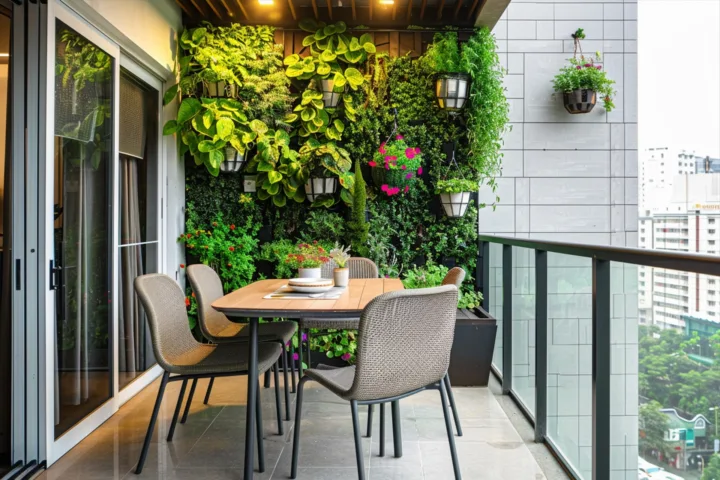
Wall-Mounted Pocket Planters
I hung fabric pocket planters on the wall beside my sliding door. They hold herbs and trailing plants without blocking the path. I water them from the top and the excess drips into the pockets below. Simple. Clean. Effective.
Basil, parsley, and small ferns do well here. I keep the pockets staggered so sunlight reaches each one. FYI, cheap ones from the hardware store held up better than I expected once I reinforced the hooks.
Pallet Vertical Garden
I found an old wooden pallet, sanded it, and stood it against the wall. I attached small pots or planted directly into the slats with landscape fabric behind them. It looks rustic and holds a surprising number of plants.
I grow strawberries and leafy greens this way. The height keeps them safe from pets and gives them better air flow. See, the key is securing the pallet tightly so wind doesn’t tip it.
Railing Planters That Use the Edge
My railing became my best friend. It was empty real estate just waiting.
Measure your railing width before buying; many balcony planters use specific clamp sizes, and a poor fit can make containers unstable.
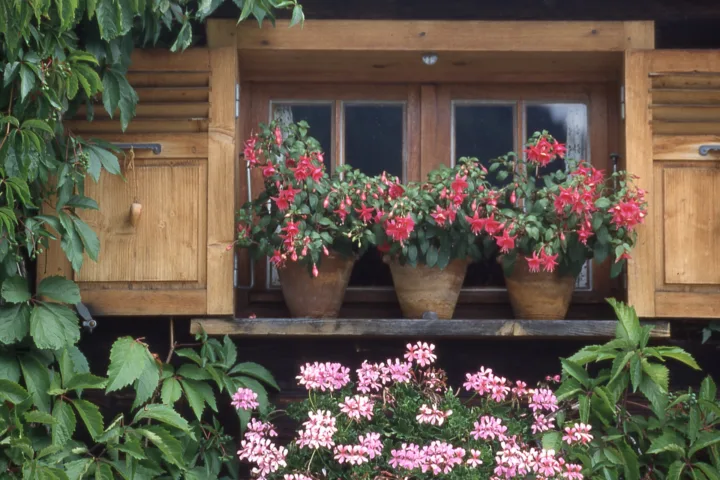
Over-the-Rail Boxes
I clipped long planter boxes over the railing. They hang outside or straddle the rail depending on the design. I filled them with petunias, trailing lobelia, and cherry tomatoes.
These give color without eating floor space. I chose lightweight plastic ones so the weight stayed manageable. Drainage holes matter. Water still finds a way to drip on the neighbors below if you skip them.
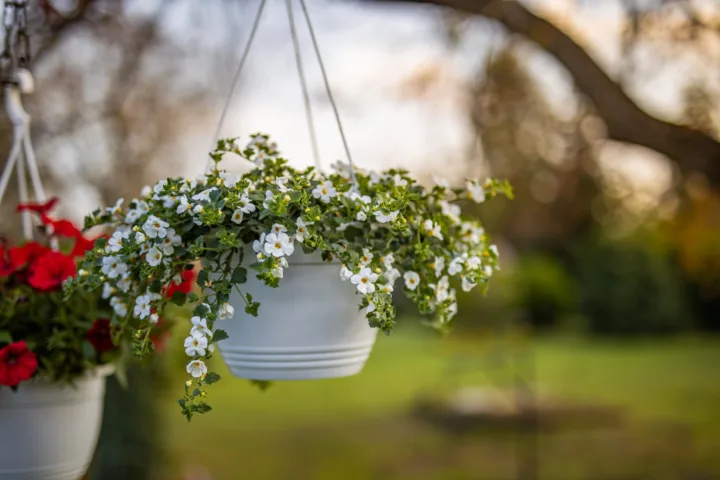
Hanging Baskets from the Rail
I attached sturdy hooks to the top of the railing and hung baskets at different heights. Ferns and ivy cascade down. It softens the hard lines of the balcony.
I rotate them every few weeks so every side gets light. One basket of mint is enough for tea and cocktails all summer.
Container Setups That Stay Compact
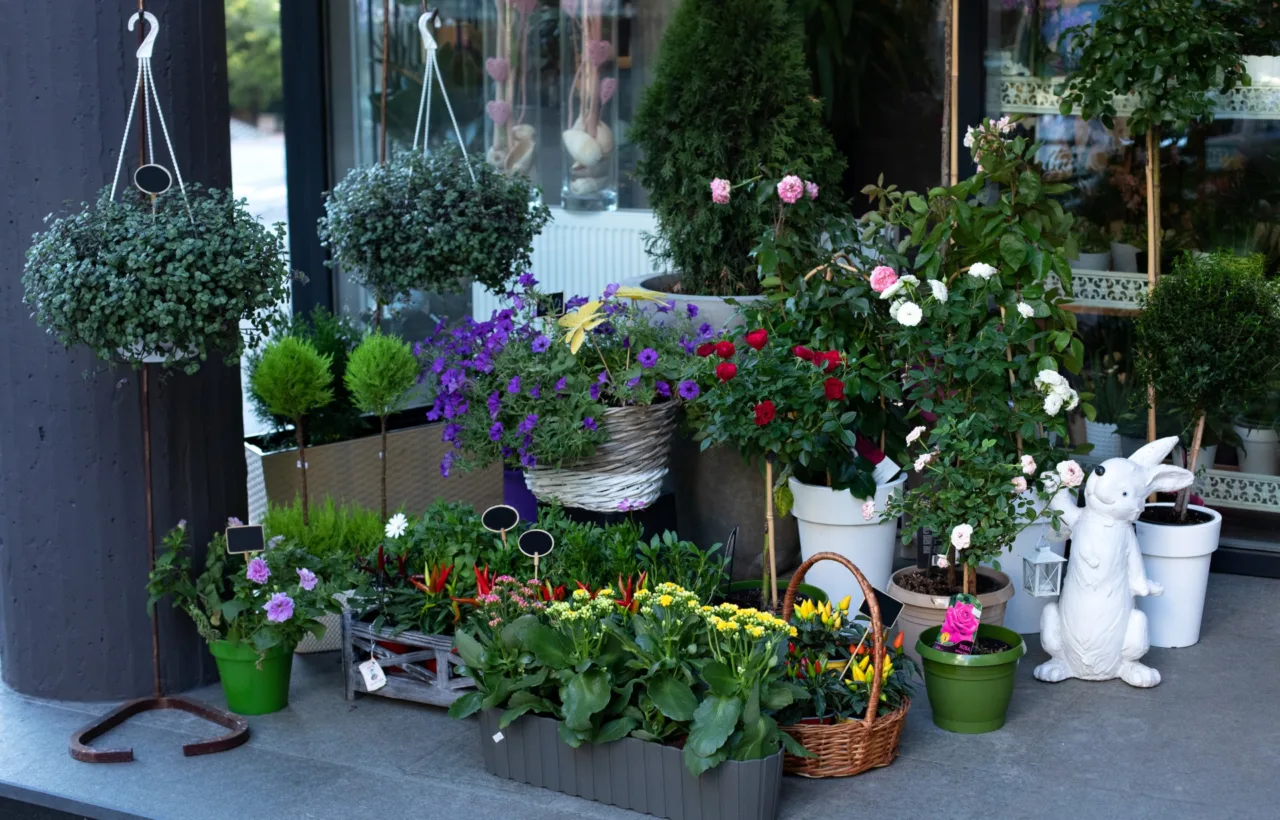
Pots still work. You just pick the right ones and group them smart.
Tiered Plant Stands
I bought a simple metal tiered stand that holds three or four pots stacked upward. It fits in a corner and still leaves room to walk past. I put taller plants on the bottom and trailing ones higher up.
Herbs go on the middle shelf for easy snipping. Succulents sit on top where they get the most sun. This one change doubled my plant count without doubling the footprint.
Nesting Pots of Different Sizes
I nested three pots of decreasing size. The largest sits on the floor. The medium one rests partly on the rim of the big one. The smallest sits higher still. It creates a layered look that feels intentional.
I plant deep-rooted veggies in the bottom pot and shallow herbs in the upper ones. Water carefully so the top pots don’t drown the ones below.
Herb Gardens Built for Daily Use
I cook almost every night. Having fresh herbs steps away changed how I use the space.
Windowsill-Style Herb Strip
Along the wall under the window, I lined up small identical pots. Basil, thyme, rosemary, chives, and oregano. Each in its own pot so the mint doesn’t take over.
Mint always needs its own container. Trust me on that. I learned after it choked out everything else once.
I water them in the morning and harvest what I need while the coffee brews. The scent alone makes the balcony feel bigger.
Hanging Herb Ladder
I leaned a short wooden ladder against the wall and hung pots from the rungs. It looks intentional and keeps the herbs at eye level. No bending required.
This works best with lighter pots. I used terracotta for a few and switched to plastic after one nearly pulled the ladder over in a windstorm.
Succulent and Low-Water Corners
Not every plant needs daily attention. I needed some that forgave my busy weeks.
Succulent Shelf
I mounted a narrow shelf on the sunniest wall and filled it with small succulents and cacti. Aloe, echeveria, and jade plants. They need almost no water and handle the heat.
I add a few pebbles around the pots for a cleaner look. This corner stays green even when I forget it for a week. IMO, every small balcony needs at least one low-maintenance zone.
Trailing Succulent Hangers
I hung a couple of special trailing succulents in lightweight baskets. String of pearls and burro’s tail spill over the sides. They create movement without bulk.
These look dramatic and take up almost no visual weight. Just watch the drip when you water.
Edible Mini Plots That Feel Productive
Growing something I can eat makes the whole effort feel worth it.
Cherry Tomato Towers
I use a tall narrow cage in a deep pot for determinate cherry tomatoes. One plant gives me handfuls of fruit all season. The cage keeps it upright so it doesn’t sprawl across the floor.
I place it where it gets the most sun. A little support and regular watering is all it asks.
Salad Green Trays
Shallow wide trays hold cut-and-come-again lettuce and spinach. I keep two going so I always have one ready to harvest. They sit on a small table against the wall.
These grow fast. I plant new seeds every couple of weeks for a continuous supply. The trays stay light enough to move if a storm rolls in.
Soft Lighting and Seating Touches
Plants alone don’t make a space feel finished. I added a few practical pieces.
I keep a foldable chair that tucks against the wall when not in use. A small side table holds my coffee or a book. String lights run along the railing and wall. They turn the green into something inviting after dark.
The lights make the plants look softer. They also help me see what I’m watering at night.
Practical Tips I Wish I Knew Sooner
Weight matters. Check your building rules and never overload the structure. Lightweight pots and potting mix help.
Drainage is non-negotiable. Every pot needs holes. I put saucers under the ones that sit on the floor, but I empty them after rain.
Sun patterns change. I spent a week watching where the light hit at different times before I placed anything permanent. South-facing gets the most hours. East or west works for many herbs and flowers.
Wind can dry things out fast. I group pots so they shield each other a little. On very windy days I move the tallest ones inside temporarily.
Water in the morning. It gives plants time to drink before the heat hits and reduces the chance of fungal issues.
Start with fewer plants than you think you need. I overcrowded once and everything suffered. Better to have six healthy plants than twelve struggling ones.
Group plants by watering needs, such as thirsty herbs together and drought-tolerant succulents separately, to simplify care without overwatering.
Frequently Asked Questions
How do I choose plants for a shady balcony? I pick ferns, hostas, impatiens, and mint. They handle lower light without stretching and looking weak. Herbs like parsley and chives also manage partial shade better than most people expect.
What’s the easiest way to water a vertical setup without making a mess? I use a long-spout watering can and water slowly from the top. For wall pockets I sometimes use a spray bottle for the upper levels. A self-watering system helps if you travel a lot.
Can I grow vegetables on a really small balcony with these 12 mini garden ideas small spaces balcony? Yes. Cherry tomatoes, salad greens, peppers, and most herbs do fine in containers. Stick to determinate or compact varieties and give them the sunniest spot you have.
How often should I fertilize container plants? I feed every two to three weeks during the growing season with a balanced liquid fertilizer diluted to half strength. Containers lose nutrients faster than ground soil, so regular light feeding works better than occasional heavy doses.
Do railing planters damage the railing? Not if you choose ones with soft padding or adjustable brackets. I check the fit regularly and wipe the contact points to avoid scratches or moisture buildup.
I still walk out onto that balcony and feel a small sense of surprise. It started as concrete and a railing. Now it holds color, scent, and food. The plants ask very little once they’re settled. They just need the right spots and a bit of consistency from me.
You can start with one railing box and one hanging basket. Add more only when those feel solid. The space will grow with you. Messy first attempts beat empty concrete every time. Go plant something this weekend.