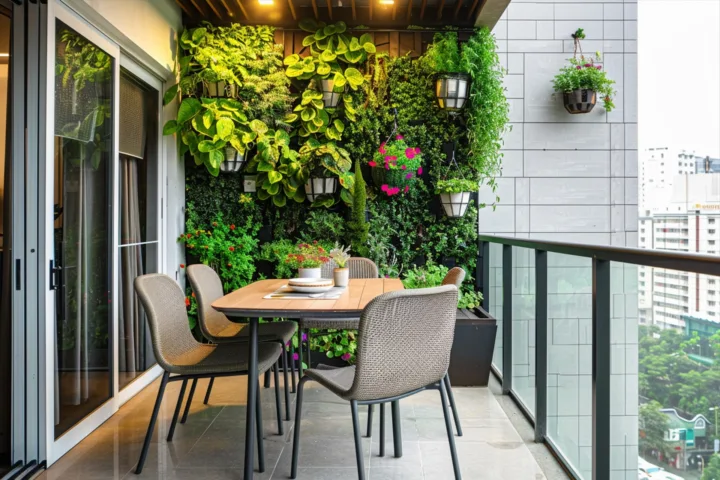

I turned my bare concrete balcony into something green and useful with these 10 balcony wall garden ideas. Space was tight. Wind was constant. Watering felt like a chore. I still made it work.
Honestly? I almost gave up after the first failed attempt with heavy pots that scraped the floor and blocked the door. See, the wall was the only free real estate left. Once I shifted everything upward, the whole space opened up. Floor stayed clear. Plants thrived. I got herbs for dinner and a bit of privacy from the neighbors across the way.
You want the same shift. These ideas come straight from what I tested on my own railing-and-wall setup. Some cost almost nothing. Others needed a drill and a free afternoon. All of them respect weight limits and apartment rules. Let’s walk through them one by one.
Why I Started Growing on the Wall
My balcony measures roughly six by four feet. Floor space vanished the moment I added two chairs. Traditional pots took over. I needed vertical solutions that stayed light and easy to water.
Wind dries soil fast up here. Sun hits hard in the afternoon. I learned to pick tough plants and containers that drain well. The wall became my best friend. It holds the weight better than the railing in most cases. It also creates a green screen that softens the city view.
I keep the tone practical. No fancy systems that need pumps or constant monitoring. Just solid methods that survive real weather and busy weeks.
1. The Classic Wooden Pallet Wall Garden
I found a free heat-treated pallet behind a local store. Cleaned it. Lined the back and sides with landscape fabric. Stapled it tight. Filled the gaps with potting mix. Stuck in herbs and trailing strawberries.
Key points that worked for me:
- Stand the pallet upright against the wall or lean it slightly.
- Secure it with brackets so wind cannot tip it.
- Plant smaller varieties near the top so they do not shade the lower ones too much.
The whole thing cost under twenty dollars once I counted soil and starts. Herbs like basil, thyme, and oregano loved the vertical pockets. Water drains downward, so the bottom plants stay a bit wetter. I water from the top and let gravity help. After three months the pallet looked full and intentional. Not like scrap wood.
One downside: wood weathers. I sealed mine with outdoor stain the second year. Still going strong.
For edible herbs and strawberries, confirm the pallet carries an “HT” heat-treatment stamp; avoid pallets marked “MB,” which were fumigated with methyl bromide.
2. Fabric Pocket Planters Hung on Hooks
These feel like overgrown shoe organizers. I bought a set of felt pockets online. Hung them from strong wall hooks. Each pocket holds one plant.
What I like most:
- Lightweight even when wet.
- Easy to rearrange.
- Good for shallow-rooted plants.
I filled mine with lettuce, spinach, and nasturtiums. The fabric breathes so roots stay healthy. On hot days I check moisture every morning. The pockets dry faster than solid pots. FYI, darker fabric hides dirt better.
Mounting is simple. Use masonry anchors if your wall is concrete. The whole setup comes down in minutes when the season ends. Storage is a breeze.
3. Stacked Wall Shelves with Matching Pots
I installed two narrow metal shelves on the side wall. Placed matching plastic pots in a staggered pattern. Some face forward. Some sit at angles.
This creates a layered look without heavy frames. I grow compact tomatoes on the lower shelf and trailing petunias above. The shelves keep weight distributed. Nothing hangs from the railing, which my building prefers.
Practical tips:
- Choose shelves rated for outdoor use.
- Leave space between pots for air flow.
- Add saucers so drips stay contained.
The arrangement looks intentional. Guests always ask where I bought the unit. I just point to the hardware store and smile.
4. Trellis Panel with Climbing Vines
A simple lattice panel screwed into the wall changed the feel of the whole balcony. I trained morning glory and a dwarf clematis up it. Within weeks the green cover gave privacy and shade.
Climbers need support early. I tied soft string until the vines grabbed hold. Water at the base. Feed lightly once a month. The wall stays cooler behind the leaves. That helps on blazing afternoons.
If your balcony faces strong wind, choose sturdier vines like certain beans or even a small grape variety if local rules allow. The panel itself stays light. I can still move it if needed.
5. Recycled Gutter Garden Mounted Horizontally
I scored old metal gutters at a yard sale. Cut them to length. Capped the ends. Drilled drainage holes. Mounted three levels on the wall with brackets.
Each gutter becomes a long planter. Perfect for shallow roots. I grow radishes, green onions, and more lettuce. The horizontal lines look modern against the plain wall.
Setup notes:
- Angle them slightly so water runs to one end.
- Use a soaker hose along the top for even moisture.
- Paint the outside if the metal color bothers you.
This system uses almost no floor space. Cleanup is easy at season’s end. Just empty and store the gutters flat.
6. Succulent Frame Wall Art
I built a shallow wooden frame, lined it, and filled it with a mix of small succulents. Mounted it like a picture. The result looks like living artwork.
Succulents need less water than most plants. That saves trips with the watering can. I group varieties by color and texture. Some spill over the edges. Others stay tight.
Sun exposure matters. My frame faces morning light. Afternoon shade keeps the leaves from scorching. Once established, I water every ten days or so. The frame stays light enough that I worry less about weight limits.
This idea works especially well if you travel. The plants forgive missed waterings better than herbs or veggies.
7. Modular Plastic Wall Planters
These click-together systems caught my eye at a garden center. Each module holds soil and plants. You build the size you need.
I started with four modules in a square. Added more later. Herbs and edible flowers fill them now. The plastic holds up to weather. Drainage is built in.
Why I keep using them:
- Expandable without new tools.
- Consistent look.
- Easy to clean.
One module cracked after a hard freeze. I replaced it for a few dollars. Overall the system feels flexible. IMO this is one of the cleanest options for renters who cannot drill freely. Some versions hang from a single top rail.
8. Hanging Basket Clusters on Wall Brackets
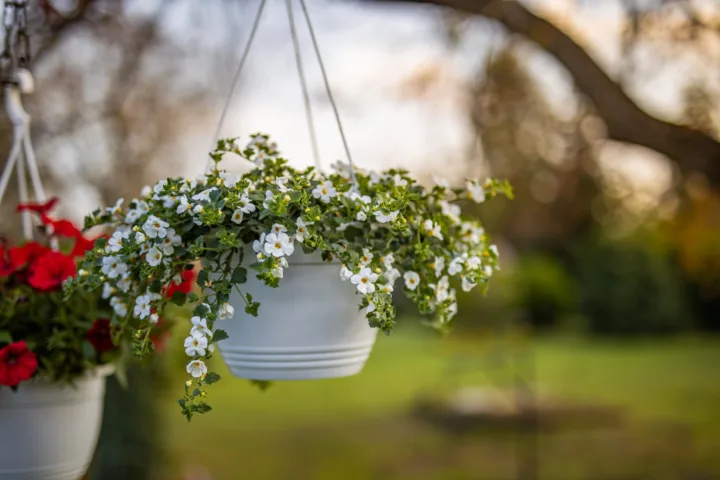
I installed three heavy-duty brackets at different heights. Hung matching baskets. Filled them with cascading plants: sweet potato vine, ivy geranium, and more strawberries.
The clusters create depth. The eye moves up and down instead of staring at a flat wall. Watering takes care. I use a long-spout can so I reach the higher ones without a stool every time.
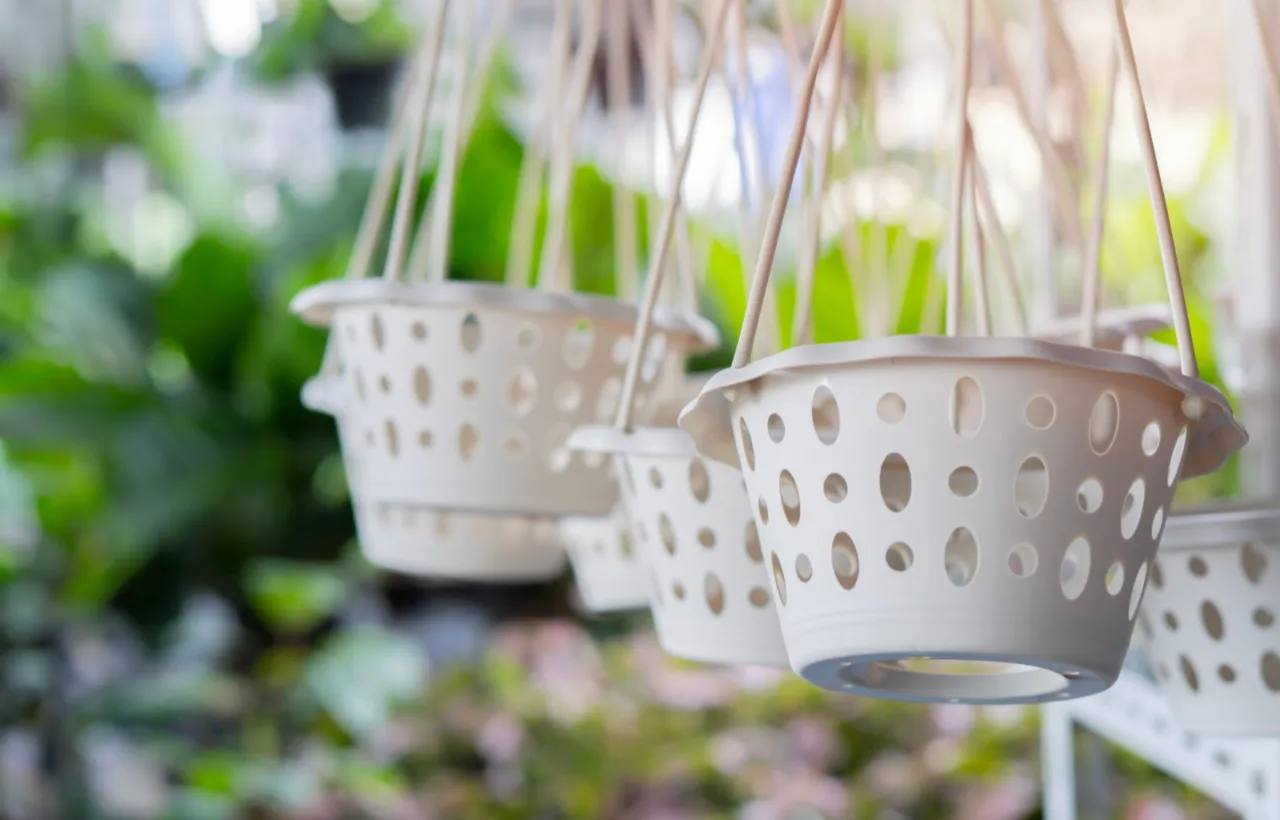
Choose baskets with coconut liners or solid bottoms that still drain. Wind can swing them, so keep the brackets tight. The overall effect softens hard edges and adds movement when breezes hit.
9. Vertical Herb Ladder Against the Wall
An old wooden ladder leaned against the wall became my herb station. I placed pots on each rung. Secured the top so it cannot slip.
Basil, mint, parsley, and chives sit at different levels. The ladder looks casual and useful. I grab what I need while cooking. No bending required for the upper rungs.
Simple upgrades:
- Paint the ladder to match your style.
- Add hooks on the sides for tools or extra small pots.
- Place a tray at the bottom to catch drips.
This costs almost nothing if you already own a ladder. It folds flat for storage in winter. Perfect for temporary setups.
10. Living Wall Kit with Built-In Reservoir
I tried one small commercial kit that includes a water reservoir at the base. Plants sit in pockets above it. Wicks pull moisture upward.
It reduced daily watering. On busy weeks I only checked every three days. The kit mounts with a few screws. Weight stays reasonable because the reservoir is not huge.
I filled it with a mix of leafy greens and flowers. The uniform look feels polished. Maintenance is lower than pure soil systems. Still, I flush the reservoir monthly so minerals do not build up.
This option sits at the higher end of my budget. Worth it if you want less daily fuss.
How I Choose Plants for Wall Gardens
Sun and wind guide every decision. Full-sun spots get tomatoes, peppers, and most herbs. Shadier walls get lettuce, spinach, and ferns.
I favor compact varieties. Trailing types soften edges. Shallow roots suit pockets and gutters. Deep roots need larger modules or shelves.
Weight matters. Wet soil is heavy. I stick to lightweight mixes and plastic or fabric containers. Ceramic stays on the floor if I use it at all.
Water access is limited. I carry a collapsible can from the kitchen. Self-watering features or reservoirs cut the trips. Mulch on top of soil slows evaporation.
Common Mistakes I Made (So You Skip Them)
I overwatered the first pallet. Bottom plants sat soggy. Roots suffered. Now I check moisture with a finger before adding more.
I ignored building rules once. A heavy hanging basket scraped the railing. Management noticed. I switched to wall mounts only.
I planted too many tall things at the top. They shaded everything below. Now I put compact growers higher and trailers lower.
Wind knocked over an early shelf. I added brackets the next day. Secure everything from the start.
Frequently Asked Questions
What are the best 10 balcony wall garden ideas for beginners? Start with a fabric pocket planter or a simple pallet. Both need little skill and cost almost nothing. Add shelves or a trellis once you see what thrives in your light conditions.
How much weight can a typical balcony wall hold? Check your building rules first. Most walls handle far more than railings. Keep individual containers under fifteen pounds wet and spread the load across multiple anchors.
Do I need special soil for vertical gardens? Regular potting mix works. I add perlite for extra drainage. Avoid heavy garden soil. It compacts and weighs too much.
How often should I water a balcony wall garden? Most setups need water every one to three days in hot weather. Reservoir systems stretch that longer. Test the soil before you pour.
Can I grow vegetables successfully on a wall? Yes. Leafy greens, radishes, strawberries, and compact tomatoes do well. Give them enough sun and consistent moisture. Harvest often to keep plants productive.
Final Thoughts from My Own Wall
These 10 balcony wall garden ideas gave me back floor space and a daily dose of green. I harvest herbs while the coffee brews. I watch vines climb. The city noise softens behind the leaves.
Pick one idea that matches your tools and rules. Build it this weekend. Adjust as the plants show you what they need. The wall was empty once. Now it feeds me and makes the balcony feel like mine.
Go claim that vertical space. Your future self will thank you every time you step outside.