
I spent years staring at my bare balcony and feeling stuck. Space was limited. Rules were strict. And every time I tried to grow something, it died or took over the floor. Then I discovered the hanging garden balcony approach, and everything shifted.
Honestly? It felt like cheating the system. I freed up every square inch of floor space while still surrounding myself with plants. Trailing greens. Herbs I actually cook with. Flowers that make me smile every morning. I built it myself with trial, error, and a few lessons that cost me some plants along the way. Now I want to share what worked so you can skip the failures I made.
This is not theory. This is what I live with every day on a standard apartment balcony that gets mixed sun and wind.
Why I Chose a Hanging Garden Balcony Over Traditional Containers
Floor pots looked nice at first. Then they became obstacles. I tripped over them. Guests had nowhere to sit. Watering turned into a logistics puzzle.
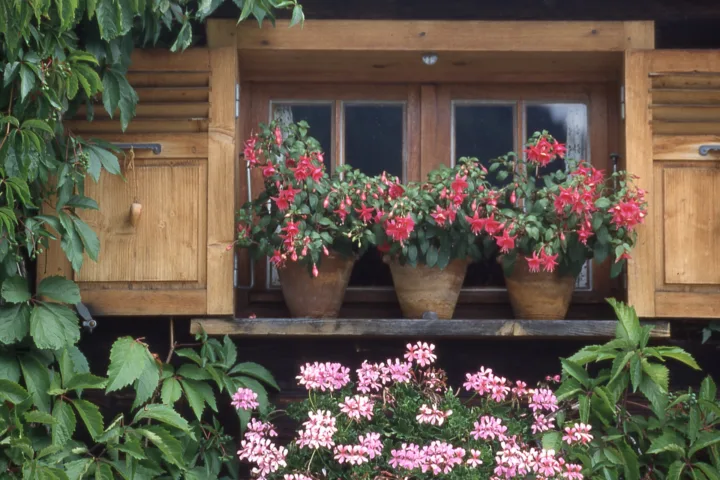
Hanging systems solved that. I hung baskets from the ceiling. I clipped planters to the railing. I mounted wall pockets. Suddenly the balcony felt open again. Plants lived up high where they caught better light and air flow.
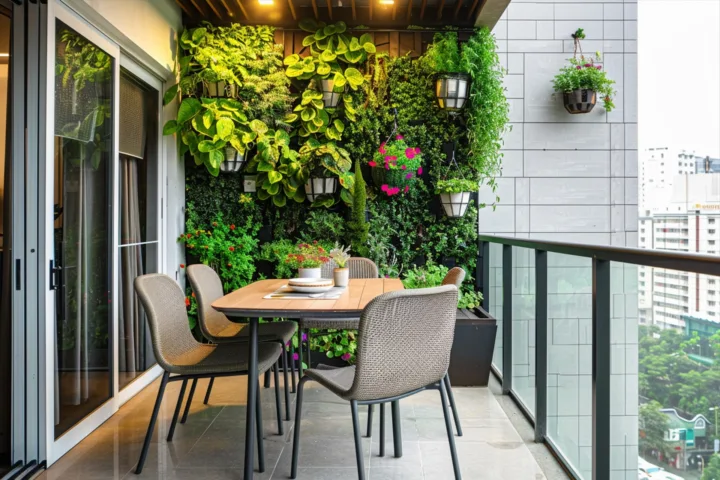
See, the real win is vertical space. Most balconies have unused height. I used it. Weight stayed distributed. Neighbors stopped complaining about runoff. And I could still put a small chair out there.
I think floor-only setups are the wrong way to go about it for most apartment dwellers. The better question is how to grow upward without making the space feel crowded.
My setup now includes:
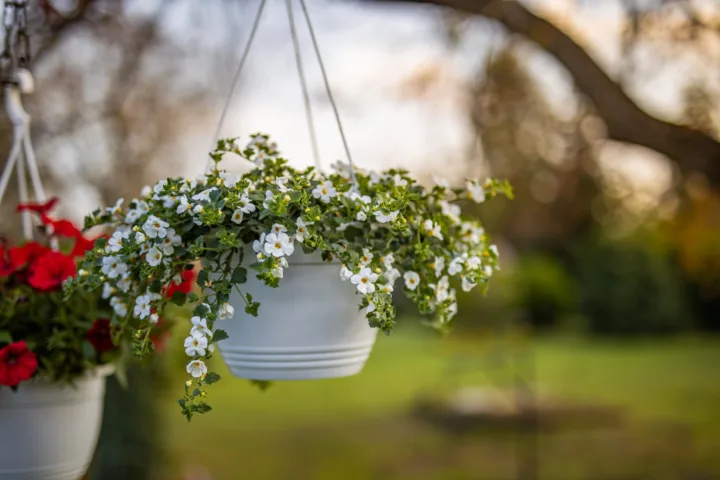
- Ceiling hooks with sturdy baskets for trailing plants that cascade down
- Railing planters that sit securely without drilling
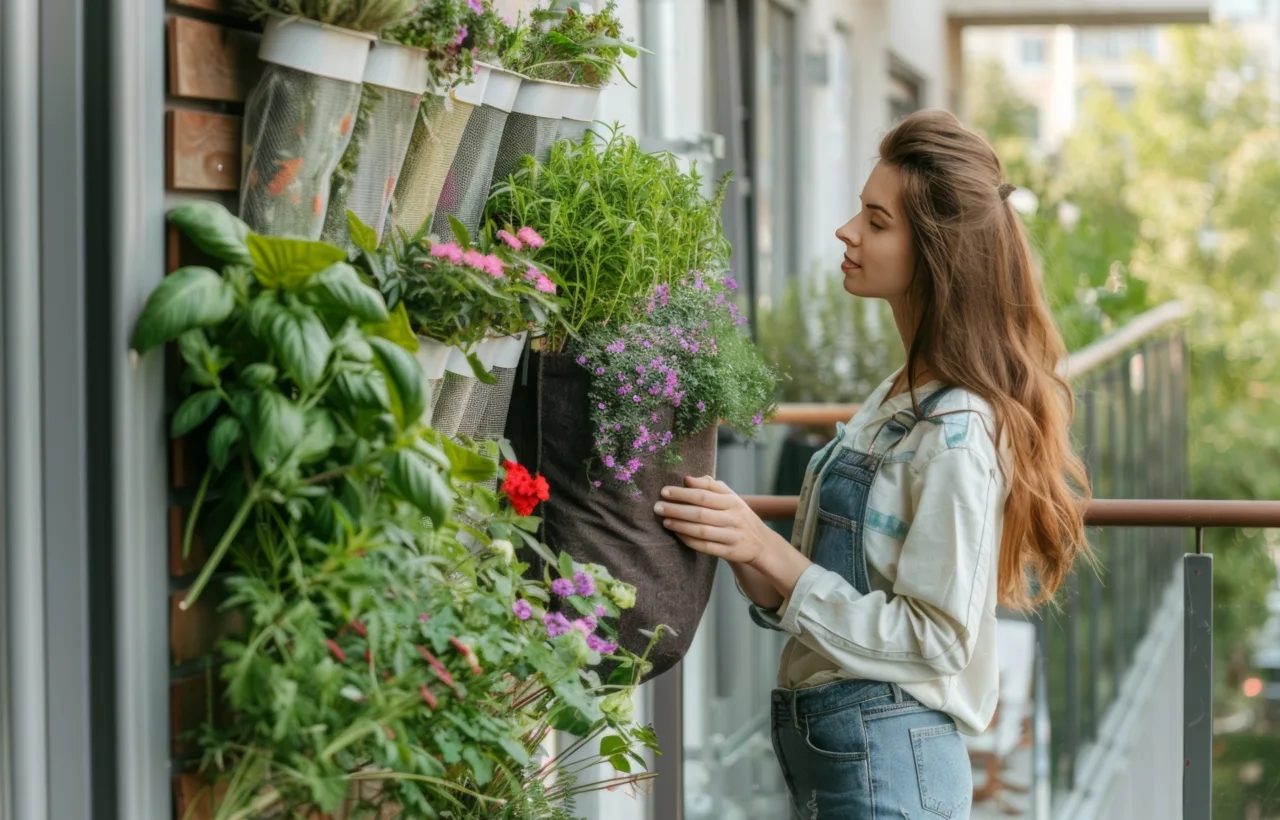
- Wall-mounted pockets for herbs I pick daily
- A couple of hanging shelves for extra pots that need more room
Everything stays lightweight. I check weight limits every season. No regrets.
The Plants That Actually Survived My Learning Curve
I killed a few early on. Too much sun. Not enough water. Wrong soil. Classic beginner moves.
Then I matched plants to conditions. My balcony gets morning sun and afternoon shade most days. Wind hits hard from one side.
Here is what thrives for me now:
- Petunias and calibrachoa in the hanging baskets. They spill over the edges and bloom for months.
- Trailing herbs like oregano, thyme, and mint. I hang them near the kitchen door for easy access.
- Ferns and pothos in the shadier spots. They handle the lower light without drama.
- Strawberries in a railing planter. Sweet surprise every summer.
- Succulents in smaller wall pockets. Almost zero maintenance.
I avoid heavy fruiting plants that need constant support. Tomatoes work better in floor containers if I insist on them. For pure hanging, lighter is better.
One tip that saved me: start with nursery plants that already look healthy. Seedlings demand more attention than I could give at first. Once the system was running, I expanded.
Keep mint alone in its own container, because its vigorous roots can crowd oregano and thyme in shared hanging planters.
Setting Up the Hardware Without Breaking Rules or the Balcony
Apartment living means rules. No permanent drilling in some places. Weight limits. Water drainage concerns.
I kept everything removable. Command hooks and tension rods worked for lighter loads. For heavier baskets I used ceiling hooks designed for outdoor use and checked the joists first.
Railing planters with adjustable clamps became my favorites. They lock on without tools. I can move them if the wind pattern changes.
Soil choice matters more than people admit. Regular garden soil is too heavy and holds too much water. I use a lightweight potting mix blended with perlite. Drainage holes stay clear. Plants dry out a bit faster, which suits hanging baskets that can stay soggy otherwise.
Watering is the part I still watch closely. Hanging plants dry out faster than floor ones. I water in the morning so leaves dry before evening. A simple watering can with a long spout reaches everything. Once a week I check the soil with my finger. Dry two inches down means water day.
Fertilizer stays light. Half-strength liquid every two weeks during growth season. Too much and the plants get leggy.
For ceiling hooks exposed to balcony weather, choose galvanized or stainless hardware, then inspect for rust before each season.
My Step-by-Step Process for Building It
I did not do it all at once. That would have overwhelmed me.
First I measured. Ceiling height. Railing length. Wall space that stayed free of doors and windows.
Then I bought the basics:
- Four heavy-duty outdoor ceiling hooks
- Six railing planters of different sizes
- A set of wall pockets made from recycled materials
- Lightweight potting mix and a bag of perlite
- A selection of trailing plants suited to my light
I installed the ceiling hooks on a calm day. Tested each with a bucket of water first to check weight. Hung the baskets. Filled them halfway with mix. Added plants. Finished filling.
Railing planters went on next. I spaced them so water would not drip onto the lower ones. Wall pockets filled the vertical gaps.
The whole process took two weekends. One for hardware. One for planting and adjusting.
I sat outside that first evening with a cold drink and just looked at it. Green everywhere. No floor clutter. It felt like a different place.
Maintenance Routines That Keep It Looking Good
Neglect shows fast with hanging gardens. Plants are more exposed to wind and sun.
My weekly routine is simple. Walk the balcony. Check soil moisture. Remove any dead leaves. Rotate baskets if one side gets more light.
Every month I inspect the hardware. Hooks stay tight. Clamps hold firm. Soil levels stay topped up because it settles.
Seasonal changes matter. In hot months I water more. In cooler weather I cut back. I bring the most sensitive plants closer to the wall for wind protection if needed.
Pests show up sometimes. Aphids love the soft new growth. I blast them off with water or use a mild soap spray. I avoid heavy chemicals because the balcony is right next to my living space.
Pruning keeps everything tidy. Trailing plants get a trim when they grow too long and start blocking the view or the door. I root some cuttings in water and expand the collection for free.
Check undersides of new plants before hanging them, because aphids can hide around soft growth and spread through nearby pockets.
Common Mistakes I Made (And How You Can Avoid Them)
I overcrowded the first baskets. Plants competed and some failed. Now I give each one room to grow.
I used decorative pots without enough drainage. Roots sat in water and rotted. Every container now has clear holes and a saucer only if it will not overflow onto neighbors.
I ignored the wind. One storm sent a basket swinging and spilling. Secure the hangers. Choose plants that bend rather than break.
Weight sneaks up. Wet soil is heavy. I calculate before adding more. Better to underfill than risk the structure.
And I waited too long to fertilize at first. Plants looked pale. Regular light feeding fixed it.
See the pattern? Most problems come from treating hanging plants exactly like ground ones. They need slightly different care.
Test every new hanging location after rain, not just when dry, because saturated mix changes the balcony's load.
How the Hanging Garden Balcony Changed My Daily Life
I step outside and feel calmer. The green softens the city noise. Birds visit the baskets. I harvest mint for tea without leaving the building.
Friends notice. They ask how I did it. Some have started their own versions. One neighbor copied the railing planters and now grows tomatoes along the edge.
It costs less than I expected after the initial setup. Plants replace themselves through cuttings. Soil lasts seasons if I refresh it.
The space still works for sitting. I can read out there without feeling boxed in by pots.
Honestly? I wish I had started years earlier. The bare balcony version feels like a distant memory now.
Frequently Asked Questions
How much weight can a typical hanging garden balcony handle? Most apartment balconies support more than people fear, but I always check the building rules and distribute weight. Light soil mixes and fewer large baskets keep me safe.
What are the best plants for a shady hanging garden balcony? Ferns, pothos, and certain begonias do well for me in lower light. I still give them the brightest available spots under the overhang.
Do hanging planters need special soil? Yes. Regular garden soil is too dense. I stick with potting mix plus perlite for drainage and lower weight.
How often should I water a hanging garden balcony setup? It depends on weather and plant type, but I check every couple of days in summer. Finger test beats any schedule.
Can I grow vegetables in a hanging garden balcony? Herbs and strawberries work great for me. Larger veggies need more root space than most hanging systems provide, so I keep those limited.
I still tweak the setup every season. New plants come in. Old ones get refreshed. The core idea stays the same: grow up, keep the floor free, and enjoy the view.
If you have a balcony that feels too small or too empty, try the hanging approach. Start with two or three baskets. See how it feels. Adjust from there. You might end up with the same quiet satisfaction I get every time I open the door and step into green.