
I started my home garden balcony with three sad pots and zero confidence. The space measured maybe six feet by four. Wind whipped through. Sun hit for only a few hours. Neighbors peered over the railing like they were waiting for me to fail. I almost quit twice in the first month.
Honestly? Those early failures taught me more than any perfect plan ever could.
You want greens, herbs, maybe a tomato or two. You want that feeling of stepping outside and seeing something alive that you grew. This guide walks you through exactly how I made it work. No fancy tools. No huge budget. Just real steps that stick.
Why a Home Garden Balcony Makes Sense for City Life
Space runs short in apartments. I lived that truth for years. My balcony sat unused except for a folding chair and a plant that died every winter. Then I decided enough was enough.
A home garden balcony gives you fresh food steps from the kitchen. It cuts the grocery bill a bit. It also gives your brain a break from screens and traffic noise. I noticed my evenings felt calmer once the plants filled in.
See, the trick is treating the balcony like a tiny outdoor room instead of leftover space. You work with the limits instead of fighting them.
The Real Limits I Faced
Wind dried everything out fast. Weight rules from the building management meant no heavy soil beds. Sun patterns shifted with the seasons. I tracked those for a full week before buying a single pot.
You should do the same. Stand out there at different times. Note the light. Feel the breeze. Check the rules on what you can hang or place.
Picking the Right Plants for Your Home Garden Balcony
Not every plant thrives up high. I learned that the hard way with a full-size tomato that toppled in a storm. Stick to compact varieties and tough growers.
Herbs win every time. Basil, mint, parsley, and chives grew fastest for me. They need little soil and reward you with constant harvests.
Leafy greens come next. Lettuce, spinach, and arugula filled bowls within weeks. They handle partial shade better than most.
Small fruiting plants work too. Cherry tomatoes, peppers, and strawberries in deep containers produced steady snacks. I skipped big vine types after the first flop.
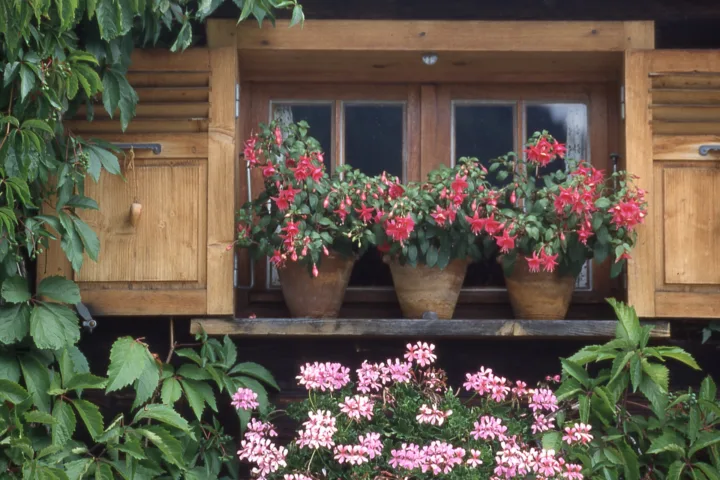
Flowers add life without much work. Petunias and marigolds spilled over the edges and pulled in bees. They made the space feel finished.
I mixed them all. The variety kept me interested. One type alone gets boring fast.
Check each cultivar’s mature height and spread, because “compact” labels vary and an oversized canopy can destabilize a windy balcony container.
How I Chose Based on Light
Full sun spots got the tomatoes and peppers. Partial shade held the lettuce and herbs. I moved pots around the first season until each plant looked happy. No guesswork after that.
Containers and Setup That Actually Hold Up
Cheap plastic cracked in the cold. Heavy ceramic strained the floor. I landed on a mix that balanced weight and durability.
- Fabric grow bags: Light, foldable, and great drainage. I used 5-gallon ones for most plants.
- Railing planters: They free up floor space. I clipped them on and filled with herbs.
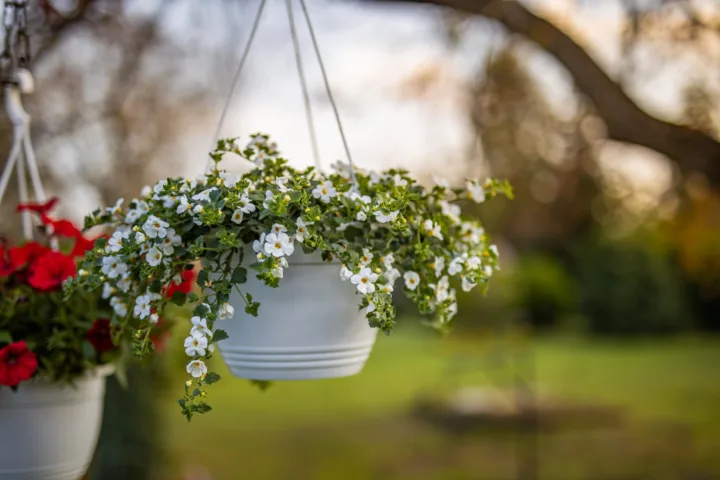
- Hanging baskets: Perfect for trailing plants. I hung three from the ceiling hooks the landlord allowed.
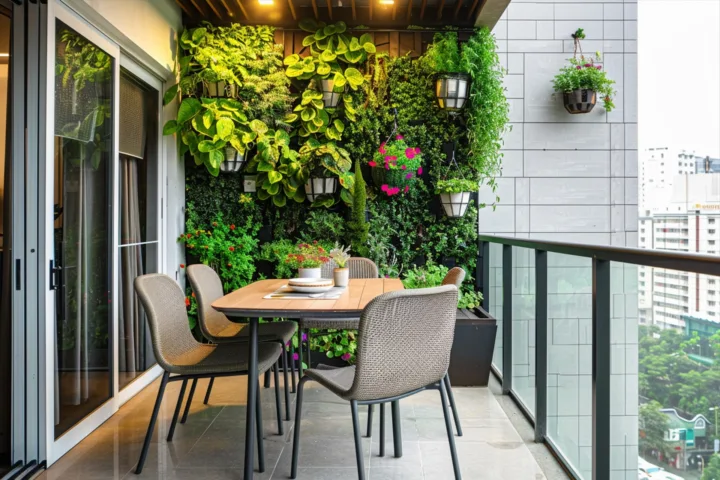
- Vertical wall pockets: These turned the blank wall into growing space. Game was tight at first but the results paid off.
I lined every container with a plastic tray to catch water. Drips on the neighbor below create bad blood. Trust me on that one.
Soil mattered more than I expected. Regular garden dirt compacted and drowned roots. I mixed potting mix with a handful of perlite and some compost. The plants rooted deeper and needed less frequent watering.
Place filled five-gallon grow bags before watering them, since saturated containers become awkward to reposition on a small deck.
Watering, Feeding, and Daily Care Without the Overwhelm
Balcony plants dry out faster than ground ones. Wind and heat pull moisture quick. I checked soil with my finger every morning the first summer. If the top inch felt dry, I watered.
A simple watering can did the job. No fancy systems needed. On hot days I watered early or late to avoid leaf burn.
Fertilizer came every two weeks during peak growth. I used a balanced liquid type diluted half strength. Overfeeding burned leaves once. I dialed it back and the plants recovered.
Pests showed up. Aphids hit the basil. I blasted them with a strong water spray and followed with a mild soap mix. Most issues stayed small because the space was limited. Fewer hiding spots for bugs.
Keep a harvest and watering note beside the can; it reveals which balcony containers dry fastest as sun and wind shift.
My Weekly Routine
Sunday mornings I spent twenty minutes out there. I harvested what was ready. I snipped dead leaves. I rotated pots so every side got light. That short habit kept everything humming.
Design Tricks That Made My Balcony Feel Bigger and Better
Vertical space saved me. Floor space vanished fast with too many pots. I stacked shelves against the wall. I hung plants at different heights. The eye moves up and the space feels larger.
Color helped too. Dark pots blended into the background. Bright ones created focal points. I stuck mostly to terracotta tones so the plants stayed the star.
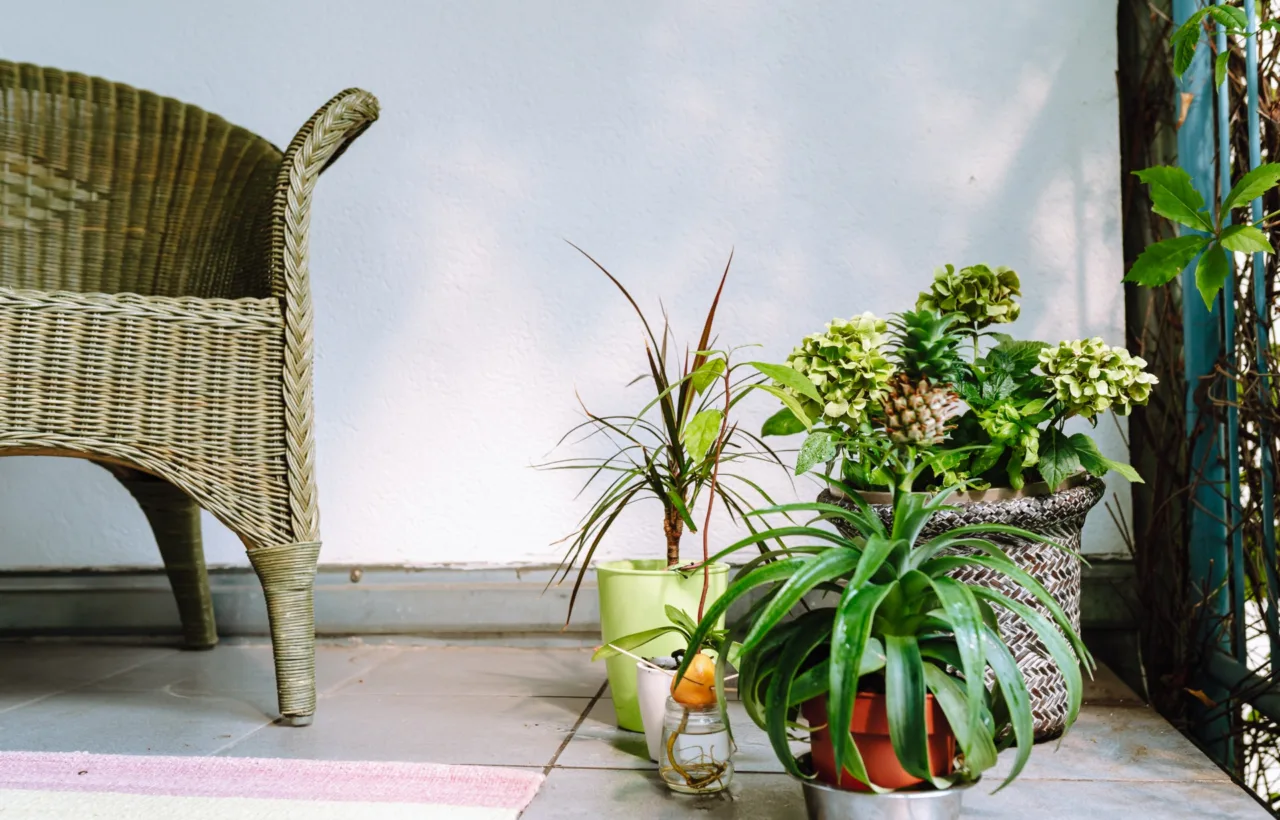
Seating came last. A small foldable stool fit in a corner. I could sit with coffee and watch the growth. That simple addition turned the balcony from a project into a place I wanted to linger.
Privacy mattered. Tall grasses in a couple of pots blocked the view from the next building. They swayed in the wind and added soft movement.
Common Mistakes I Made and How You Can Skip Them
I overcrowded the first season. Plants competed for light and water. Growth slowed. I pulled half of them and everything improved overnight.
I ignored drainage. One pot sat in a saucer of water for days. Roots rotted. I drilled extra holes after that and never looked back.
I chased trends instead of what worked for my light and wind. Fancy rare plants died. Tough basic ones thrived. Stick to the proven list until you know your space.
Weight limits surprised me. One heavy ceramic pot sat too close to the edge. The railing creaked. I moved everything inward and used lighter options from then on.
Seasonal Adjustments That Keep the Garden Going
Spring started everything. I sowed seeds indoors in March and moved them out after the last frost risk. Summer demanded daily checks and frequent harvests. Fall brought cooler crops like kale and a second round of lettuce. Winter meant bringing the hardiest pots inside or covering them on cold nights.
I treated each season as a fresh start. Some plants stayed year-round in milder weather. Others got replaced. The rhythm kept me engaged instead of burned out.
Tools and Supplies I Actually Use
A good pair of pruning shears. A soil moisture meter for the lazy days. Gloves that fit. A small trowel. That short list covers ninety percent of the work. I avoid gadget overload. Extra stuff just collects dust.
Budget stayed under a couple hundred dollars the first year. Most of that went to containers and soil. Seeds and seedlings cost little. The ongoing expense is almost nothing once the system runs.
Frequently Asked Questions
How much sun does a home garden balcony need to succeed? Most edible plants want at least four to six hours. I tracked my light and matched plants to the spots that delivered it. Shade-tolerant greens fill the darker corners.
Can I grow vegetables on a shaded balcony? Yes. Leafy crops and many herbs handle lower light better than fruiting plants. I grew solid harvests of lettuce and mint in partial shade.
What if my building has strict rules about weight or hanging items? Check the lease first. I stuck to lightweight fabric pots and only used approved hooks. Communication with management kept me in the clear.
How often should I water balcony plants? Daily in hot weather for small pots. Every other day or less once roots establish and nights cool. Finger test the soil. That beats any schedule.
Is a home garden balcony worth the effort if I only have a tiny space? For me it was. The fresh herbs alone paid back the time. The calm it brought after work made the rest feel secondary.
I still step outside most mornings and check on the plants. Some days the growth surprises me. Other days a leaf yellows and I adjust. The process stays simple and rewarding.
Start with one or two pots this weekend. Pick an herb you already cook with. Get it in soil. Water it. Watch what happens. The rest builds from there. Your home garden balcony does not need perfection. It just needs you to begin.