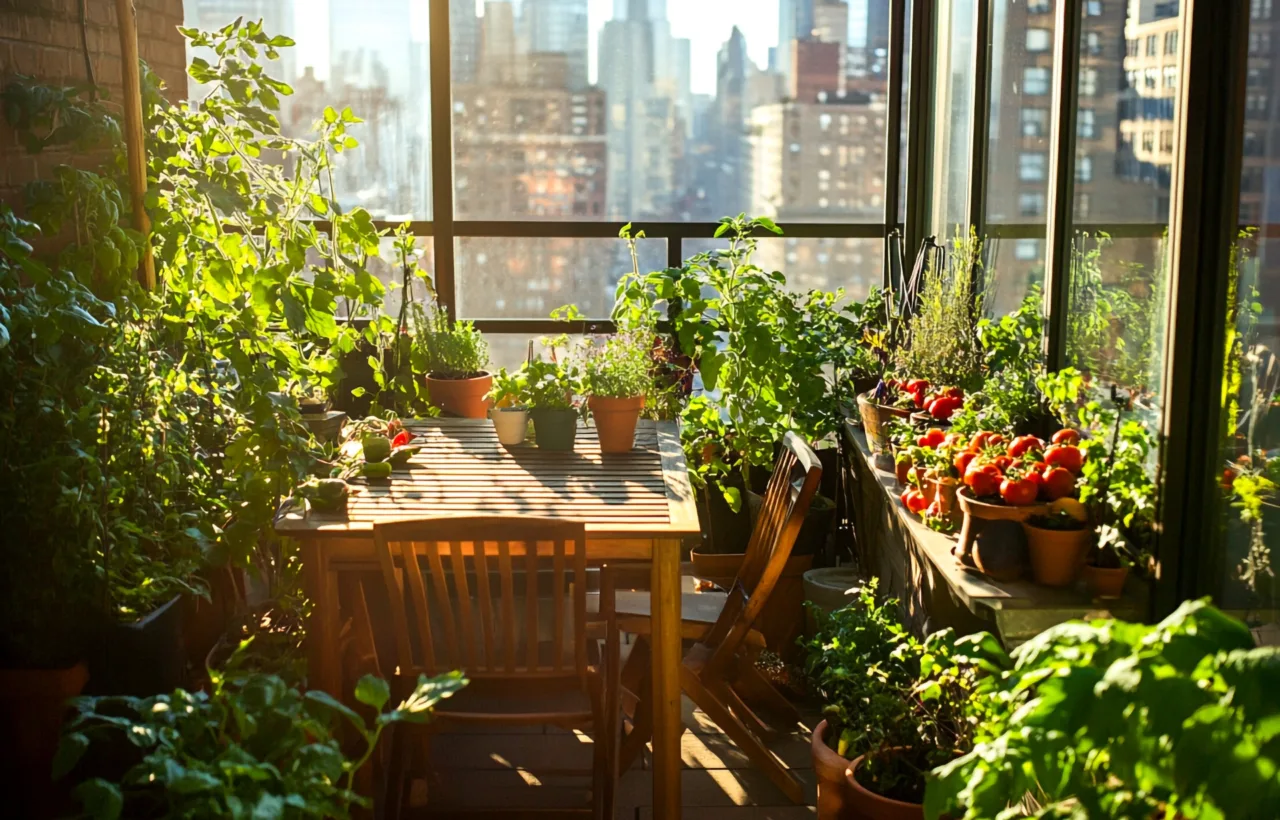

I never thought my second-floor apartment balcony could feed me fresh tomatoes all summer. Yet three seasons in, my balcony tomato garden now pumps out more fruit than I can eat. I started with zero outdoor space and a stubborn urge to grow something real. That first year taught me hard lessons about pots, water, and wind. Now I harvest baskets of cherry and slicer tomatoes without ever leaving home.
Honestly? The process felt messy at first. I killed two plants before I got the hang of it. But the taste of a sun-warmed tomato picked right off the vine made every mistake worth it. If you have even a small outdoor ledge and a few hours of sun, you can do this too.
Picking the Right Tomato Varieties for Limited Space
Not every tomato belongs on a balcony. I learned that the expensive way. My first attempt used a big indeterminate variety that took over everything and produced almost nothing.
See, compact plants win here. I stick to determinate or patio types now. They stay bushy and finish their crop in a shorter window. Cherry tomatoes became my reliable favorites because they keep pumping out fruit even when conditions get tough.
Here are the ones that worked best for me:
- Patio Choice Red: Compact, heavy producer, sweet flavor.
- Tumbling Tom: Trails nicely over pot edges and looks great.
- Bush Early Girl: Decent sized slicers without the vine sprawl.
- Tiny Tim or Micro Tom: Perfect for the smallest corners or hanging setups.
I avoid the giant beefsteaks. They demand more root space and support than my balcony can give. One season I tried an indeterminate just for fun. It needed constant tying and still flopped in the wind. Lesson learned. Stick with the labeled patio or bush options and you save yourself headaches.
Determinate tomatoes often ripen most fruit within a concentrated harvest window, so stagger planting dates for a longer balcony harvest.
Choosing Containers That Actually Work
Container size makes or breaks the whole project. I started with cute 3-gallon pots because they looked nice. The plants stayed small and the soil dried out by noon. Yields stayed tiny.
Go bigger. I now use at least 5-gallon pots, and 10-gallon ones when space allows. Deeper is better than wide if your balcony is narrow. Tall planters let roots stretch down without taking up precious floor space.
Plastic or resin pots win for me. They stay lighter than terracotta and hold moisture longer. Black plastic can heat up too much in full sun, so I pick lighter colors or move them slightly on the hottest days. Always drill extra drainage holes. Standing water kills roots fast.
I place each pot on a simple saucer or plant caddy. The caddy lets me spin the plant for even light and roll it inside during rare storms. One plant per pot. Crowding invites disease and stunts everything.
A filled 10-gallon container can become extremely heavy; confirm balcony load limits before grouping several large pots.
Setting Up Your Balcony Tomato Garden the Right Way
Sunlight decides success more than anything else. Tomatoes need at least 6 to 8 hours of direct sun. My balcony faces south and gets solid afternoon light. That helps. North-facing spots struggle hard.
I map the light before I plant. I watch where shadows fall during the day and place pots accordingly. In extreme heat I shift them a foot or two for afternoon shade. Buildings bounce heat around, so balcony tomatoes can cook if you ignore that.
Soil matters just as much. Never use garden dirt. It compacts and brings pests. I fill pots with a quality potting mix and mix in compost plus a handful of worm castings. The mix stays light and holds water like a wrung-out sponge. That phrase stuck with me after one dry spell almost wiped out my plants.
When I plant, I bury the stem deeper than it sat in the nursery pot. Tomatoes grow roots along the buried stem. That extra root mass keeps the plant stronger and more drought tolerant. I add a tomato cage or sturdy stake right at planting time. Waiting later means damaging roots.
On sheltered balconies, gently tap flowering clusters around midday to help release pollen and improve fruit set.
Daily Care That Keeps Plants Happy
Watering is the biggest daily chore. Containers dry out fast, especially on windy balconies. I check the top two inches of soil every morning. If it feels dry, I water deeply until it runs out the bottom.
In peak summer heat I water twice a day sometimes. Morning and late afternoon. Inconsistent moisture leads straight to blossom end rot. I saw those black-bottomed fruits my first year and hated them. Steady moisture fixes most of that.
Fertilizer is non-negotiable. Tomatoes are heavy feeders and pots lose nutrients quickly. I mix a slow-release organic fertilizer into the soil at planting. Once flowers appear I switch to a liquid tomato food every week or two. Fish emulsion or a balanced vegetable formula both work. I skip high-nitrogen stuff that pushes leaves at the expense of fruit.
Support and pruning stay simple. Determinate plants need less pruning. I just remove lower leaves that touch the soil to improve air flow. For any vining types I pinch the suckers that form between the main stem and branches. Good airflow prevents fungal issues that love humid balcony corners.
Water at the soil line, not over leaves, especially in humid balcony corners, to reduce fungal disease while preserving steady root moisture.
Dealing with the Usual Problems
Pests still find balcony plants. Aphids and whiteflies showed up one year. I blast them with a strong spray of water first. If they persist I use insecticidal soap. Hand-picking works better than people think for small setups.
Blossom end rot still appears if watering gets uneven. Calcium supplements in the soil help prevent it. I also watch for yellowing leaves that signal nutrient gaps or overwatering.
Wind is the silent enemy on higher floors. Strong gusts snap stems or dry plants overnight. I position pots against the wall when possible and use sturdy cages. One storm taught me to bring lighter pots inside or weight them down.
Heat stress hits hard on concrete balconies. Leaves curl and fruit sets poorly. Temporary shade cloth or moving pots a few feet solved it for me. Plants recover surprisingly well once conditions ease.
Test insecticidal soap on one leaf first, then treat undersides in evening; direct sun can scorch recently sprayed foliage.
Harvesting and Enjoying the Payoff
Ripe fruit comes fast once it starts. Cherry types turn red or yellow and pull off easily. Slicers need a bit more patience. I pick in the morning when flavors peak. Nothing beats walking out and grabbing a handful for lunch.
I eat most fresh. The rest goes into quick sauces or freezes well. One plant can give me several pounds over the season. Multiple plants turn the balcony into a real food source. Friends stop by and leave with bags of extras. That feels good.
My yields improved every year because I paid attention to the small details. Bigger pots, consistent water, and the right varieties turned frustration into reliable harvests.
Frequently Asked Questions
How much sun does a balcony tomato garden really need? Tomatoes demand at least 6 hours of direct sun and prefer 8. Less than that and you get leggy plants with poor fruit. I check my balcony light patterns before committing pots to a spot.
Can I grow full-sized tomatoes on a small balcony? Yes, but choose determinate or patio varieties and give them at least 5-gallon pots. Big indeterminate types take too much space and support for most balconies. IMO the smaller types deliver better results with less hassle.
How often should I water container tomatoes? Check daily. Water when the top two inches feel dry. Hot, windy days often need morning and evening sessions. Consistent moisture prevents most common problems.
Do I need special soil for balcony tomatoes? Use a quality potting mix, never garden soil. Add compost for moisture retention and nutrients. That combination keeps roots healthy in the limited space of a pot.
What if my balcony faces north or gets limited light? Success drops sharply with less than 6 hours of sun. You might try the most compact cherry varieties and accept smaller harvests, or focus on other shade-tolerant crops instead.
I still walk out every morning and check the plants. Some days the fruit hangs heavy and ripe. Other days I just enjoy the green growth and the quiet satisfaction of growing food in a small space. The whole process stays simple once you dial in the basics. Start with one solid pot and a good patio variety. Watch what happens. Adjust next season. Before long you will have your own productive balcony tomato garden and a fridge full of real tomatoes. That first perfect bite still surprises me every time.