I started my tiny balcony garden out of pure frustration. My apartment had zero yard access. I craved fresh basil for pasta and the simple calm of watching something green grow. What began as three sad pots on a railing turned into a full setup that feeds me snacks and settles my mind after long days. This is the story of how I made it work, the mistakes I made, and the exact steps that finally stuck.
I live on a third-floor balcony that measures roughly six by eight feet. Wind hits hard some afternoons. Sun comes in strong for about five hours. Water means hauling a can from the kitchen sink. None of that stopped me. If your space feels too small or too exposed, keep reading. I built this with the same limits you probably face.
Assessing Your Space Before You Buy a Single Plant
I almost skipped this part the first time. Big mistake. I bought random plants, stuck them outside, and watched half of them crisp up or tip over.
Honestly? Measure everything first. Grab your phone and note the length, width, and height of your railing. Check how many hours of direct sun the space gets. Face different directions and watch the light for a full day if you can. My balcony faces south-east, so mornings stay bright and afternoons stay hot.
Weight matters more than most people admit. Wet soil in ceramic pots adds up fast. I once overloaded one corner and felt the floor shift slightly. Check with your building management about limits. Some places ban heavy containers or anything that drips on neighbors below.
Wind is another quiet killer. Tall plants topple. Soil dries in hours. I solved this by clustering heavier pots against the wall and using low-profile containers for anything near the open edge.
See, the goal here is not perfection. It is knowing the real conditions so you pick plants and pots that match them.
The Plants That Actually Thrived in My Tiny Balcony Garden
I tried too many things at once early on. Then I narrowed it down. Focus on what you will eat or enjoy looking at every day.
Leafy herbs usually provide faster, repeat harvests than fruiting vegetables, making them useful early wins in a tiny balcony garden.
Herbs That Delivered Constant Harvests
Basil became my star. I keep two pots going and pinch leaves weekly. It loves the sun and rewards attention with more growth. Parsley and chives handled partial shade better than I expected. Rosemary and thyme stayed tough even when I forgot to water for a day or two.
Mint needs its own pot. Always. It spreads like it owns the place. I learned that the hard way when it choked out my oregano.
Vegetables Worth the Effort
Cherry tomatoes gave me the biggest win. I chose a determinate variety so it stayed compact. One plant in a deep pot produced enough for salads all summer. Peppers did well too. Bush beans and leaf lettuce filled the gaps. Radishes grew fast from seed and made me feel successful early.
I avoided big sprawling crops like full-size zucchini. They need more room and support than my balcony could offer. Stick to compact or dwarf varieties.
Flowers and Extras for Pollinators and Color
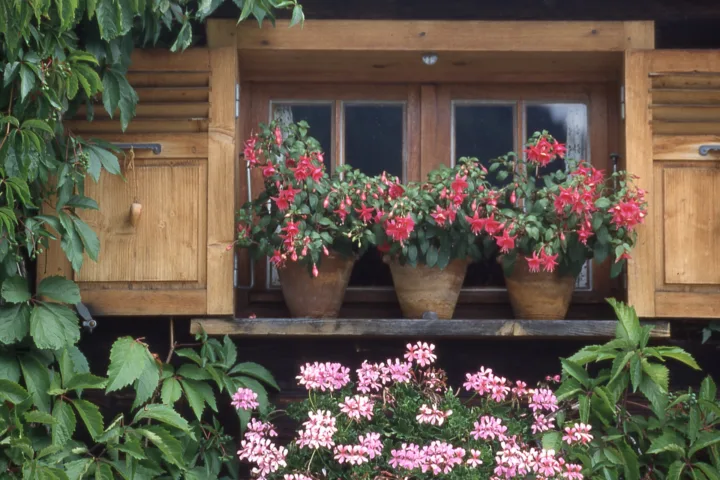
Marigolds and nasturtiums went in for color and pest control. They also look cheerful when the veggies take a pause. I added a couple of trailing petunias on the railing for the simple pleasure of seeing blooms from inside the apartment.
Mix is key. A pure veggie setup looked utilitarian. A few flowers made the whole space feel inviting.
Choosing Containers That Work Hard Without Weighing Too Much
Heavy ceramic pots look pretty. They also risk cracking your weight limit and drying out slower than needed. I switched mostly to plastic, fabric grow bags, and lightweight resin.
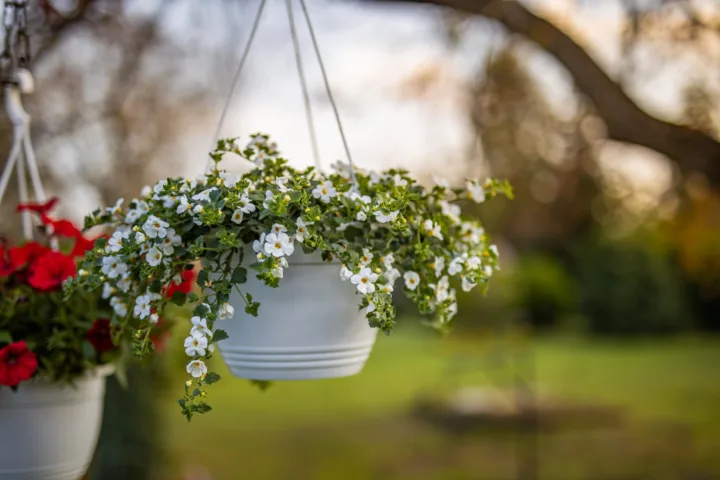
Fabric bags fold flat for winter storage. They breathe well and prevent root circling. Self-watering containers cut my daily trips with the watering can. Railing planters free up floor space completely. I hang two of those and grow herbs that spill over the edge.
Drainage is non-negotiable. Every pot needs holes. I add a layer of gravel or broken pottery at the bottom of deeper containers to keep roots from sitting in water.
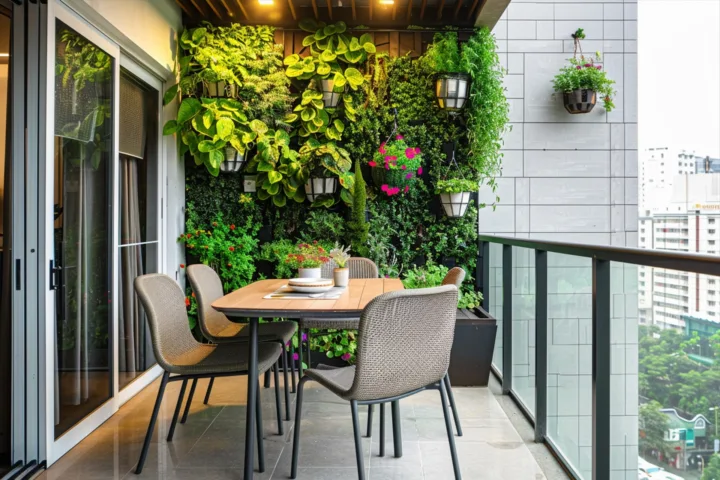
Tiered stands and wall-mounted shelves turned empty vertical real estate into growing room. One simple three-level stand holds six small pots in the footprint of two.
A gravel layer beneath potting mix does not improve drainage in containers, and it reduces the root space available to plants.
Layout Tricks That Made My Space Feel Twice as Big
I stopped treating the floor as the only option. Vertical became the whole game.
Railings hold the hanging planters. A narrow shelf unit sits against the back wall for smaller pots. A couple of hanging baskets drop from the ceiling hooks. Climbers like beans or nasturtiums go on a freestanding trellis that sits in a heavy pot so I avoid drilling.
I leave a clear path from the door to the railing. Otherwise the space feels cramped and I stop using it. One small folding chair and a side table complete the setup. I sit there most evenings with a drink and check on the plants.
Group plants by water needs. Thirsty ones stay together near the door. Drought-tolerant ones go farther out. That simple sorting cut my watering time in half.
Prune climbing beans or nasturtiums before they shade lower herb pots, especially when the trellis sits against the back wall.
Daily Care That Does Not Take Over Your Life
Watering is the biggest ongoing job. Containers dry faster than garden beds. On hot windy days I water morning and evening. On milder days once is enough. I stick my finger into the soil up to the first knuckle. Dry means water. Damp means wait.
Self-watering pots and a couple of watering globes help when I travel for a weekend. A collapsible watering can stores flat in the closet.
Fertilizer stays light. I use a diluted liquid feed every two weeks during peak growth. Overfeeding burns roots faster than underfeeding.
Pests show up. Aphids hit my basil once. A strong spray of water and a dab of insecticidal soap fixed it. I check leaves weekly now. Catching problems early keeps them small.
Test watering globes in one small herb pot for several days first, since they can overwater compact containers during weekend trips.
Mistakes I Made So You Can Skip Them
I overplanted the first season. Crowded pots competed for light and water. Everything stayed small. Now I give each plant room to mature.
I used regular garden soil. It compacted and drained poorly. Switch to potting mix made for containers. It stays lighter and holds air better.
I ignored the drip factor. Water ran through and annoyed the neighbor below. Saucers and careful watering solved that fast.
I chased every trendy plant instead of sticking to what grows well in my light. That wasted money and space. Start with three or four reliable performers. Expand later.
IMO the biggest error was treating the balcony like a temporary project. Once I decided it was permanent, I invested in better containers and a simple routine. Results improved overnight.
How My Tiny Balcony Garden Changed More Than Just My Meals
Fresh herbs taste better than store-bought. That part is obvious. What surprised me was the mental shift. Stepping outside for five minutes to water or harvest became a built-in pause in the day. Stress dropped. I started looking forward to the seasons again.
Friends who visit always ask about it. A few started their own setups after seeing mine. That quiet ripple feels good.
I still lose plants sometimes. A heat wave took out one tomato plant last year. I shrugged, replaced it, and moved on. Perfect is not the goal. Consistent effort is.
Frequently Asked Questions
How much sunlight does a tiny balcony garden really need? Most herbs and vegetables want at least four to six hours of direct sun. Leafy greens and some herbs tolerate less. Track your light for a few days and match plants to what you actually get.
Can I grow a tiny balcony garden if I rent? Yes. Stick to freestanding containers and avoid permanent fixtures. Check your lease for any weight or drainage rules. Most landlords care more about damage than plants.
What is the easiest plant to start with in a tiny balcony garden? Basil or chives. They grow fast, taste great, and forgive beginner mistakes. Success with one plant builds the confidence to try more.
How do I keep the weight down on an older balcony? Choose fabric bags or plastic pots. Use lightweight potting mix. Avoid large ceramic containers and keep the heaviest items near load-bearing walls if possible.
Do I need special soil for balcony containers? Yes. Regular garden dirt packs down and drains poorly in pots. Buy a quality potting mix labeled for containers. It makes a noticeable difference in root health and watering frequency.
I still walk out every morning and check the leaves. Some days the plants look perfect. Other days a few look tired. Both versions belong. Your tiny balcony garden will teach you the same patience. Start small. Measure your light. Pick plants you will actually use. Water consistently. The rest follows. Grab one pot this weekend and begin. You will thank yourself later.