
Easy planting ideas work when you shrink the project to one sunny container or one small bed, plant something that comes up fast, and water it like a living thing instead of a weekend craft. Skip the 20-crop backyard fantasy. A bowl of lettuce mix, a pot of basil, or a handful of radish seeds will teach you more in four weeks than a crowded garden plan ever will.
Pretty layouts fail when the pot is too small, the soil is yard dirt, or warm-weather seeds go in before the last frost. The fix is a simple filter. Match the plant to your sun, your container size, and whether your weather is still cool. Then plant one recipe and leave the rest for later.
Pick the Idea That Fits Your Sun and Spare Time
Most vegetables want six to eight hours of direct sun. Leafy greens will still produce in four to six hours. If your balcony only gets morning light, grow lettuce, spinach, or herbs. Save tomatoes, peppers, beans, and zucchini for a west- or south-facing spot.
Time matters as much as light. Radishes and baby greens pay you back in about a month. Beans take closer to seven weeks. A cherry tomato from the nursery needs a long, warm stretch after frost. If you want a harvest you can use soon, start with greens and radishes.
Check two numbers before you buy seed. Your USDA hardiness zone tells you which perennials survive winter. Your local last-frost date tells you when tender crops can go outside. Those are not the same thing. Two towns in the same zone can have frost dates weeks apart, so look up frost dates by zip code instead of guessing from a zone number.
Cool-season crops such as lettuce, peas, radishes, kale, and spinach can go in before that last frost. Warm-season crops such as beans, tomatoes, basil, zucchini, and cucumbers wait until the soil has warmed and frost risk has passed.
Easy Planting Ideas You Can Copy This Weekend
Treat these as recipes, not mood boards. Buy the pot, the mix, and the plants on one trip. Plant the same day.
A one-bowl salad mix
Use a wide container at least 6 to 8 inches deep with drainage holes. Fill it with potting mix, not soil from the yard. Scatter a cut-and-come-again lettuce mix, cover the seed with a thin layer of mix, water until the surface is evenly damp, and set the bowl where it gets morning sun.
Baby leaves are often ready in about 30 days. Snip the outer leaves and leave the centers growing. Sow a second small handful two weeks later if you want a continuous bowl instead of one harvest and an empty pot.
A sunny pizza herb pot
This is the planting idea people actually cook from. Choose one 12-inch pot. Add a basil start, a compact oregano or thyme plant, and chives. Keep mint in its own pot. Mint will take over a shared container and then keep going.
Water when the top inch of mix feels dry. Pinch basil often so it bushes out instead of flowering. You get dinner flavor in weeks, which is the whole point when you cook more than you garden.
A 4×4 starter crate or raised square
If you have a sliver of ground or a sturdy balcony that can hold the weight, a 4×4 bed is enough. Fill it with a blend of compost and potting mix. Plant four things, not fourteen.
A simple cool-season square: lettuce along one edge, radishes in a tight block, a row of peas against a small trellis, and a patch of spinach. A warm-season square: bush beans, one zucchini, a caged cherry tomato, and a row of basil. Leave walking space. Crowding is how easy plants become stressed plants.
| Plant | First harvest window | Minimum container | Sun |
|---|---|---|---|
| Looseleaf lettuce | About 30 days | 6–8 in deep | 4–6 hours |
| Radishes | 3–4 weeks | 6–8 in deep | 6 hours |
| Bush beans | 45–55 days | 3–5 gallons | 6–8 hours |
| Basil (nursery start) | 3–4 weeks to pinch | 6–8 in pot | 6 hours |
| Cherry tomato (start) | 60+ days after transplant | 5 gallons | 6–8 hours |
Those windows assume the plant is in the right season. A tomato start set out in cold soil will sit there and sulk. A radish sown in midsummer heat can turn woody or bolt. Timing is part of the recipe.
How to Plant Seeds and Nursery Starts Without Guesswork
Read the seed packet like a recipe card. You need four lines: sow depth, spacing, days to germination, and days to maturity. Depth is the line people skip. A seed planted too deep often never surfaces. When the packet is vague, plant about twice as deep as the seed is wide. Tiny lettuce seed wants a dusting of mix. A bean can sit an inch down.
Direct-sow crops that hate root disturbance. That group includes beans, peas, radishes, carrots, and zucchini. Buy transplants for tomatoes, peppers, and most herbs if you want fewer variables in year one.
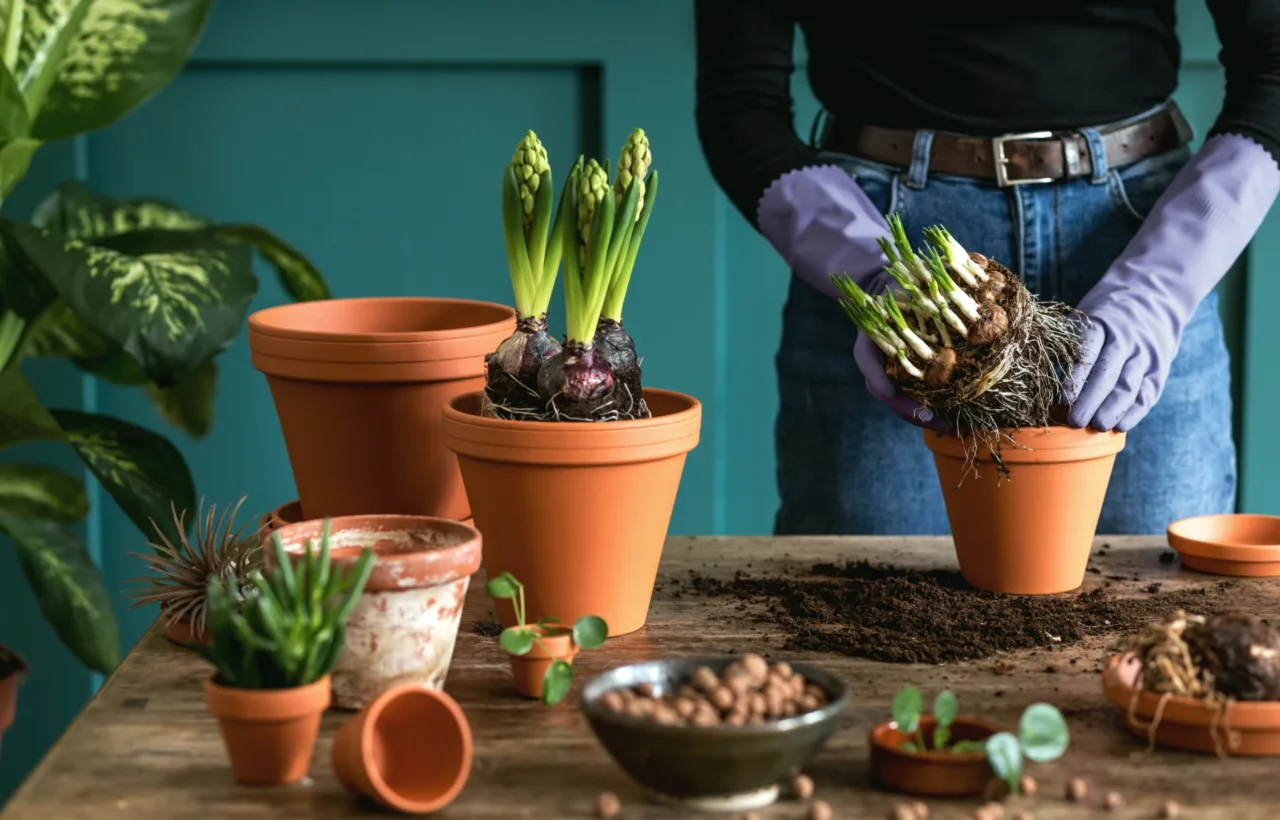
To plant a nursery start:
- Water the plant in its nursery pot first so the root ball slides out in one piece.
- Set it at the same depth it was already growing, unless it is a tomato, which can be buried deeper along the stem.
- Firm the mix around the roots, water until it runs from the drainage holes, and add a thin mulch so the surface does not bake.
Penn State Extension is blunt about containers. Every pot needs drainage holes, and a tomato wants a large pot, not a cute 8-inch souvenir. Their container guidance is worth five minutes before you fall for a pretty cachepot with no hole in the bottom.
Water by touch, not by calendar. Stick a finger an inch into the mix. If it feels dry, water thoroughly. If it feels cool and damp, wait. Containers in hot sun can need water daily. The same pot in cool spring weather may last three days. Overwatering in a pot with no drainage is how “easy” plants die quietly.
A No-Dig Patch When You Have a Sliver of Ground
If you have lawn or weedy ground and no desire to turn soil, you can still plant. No-dig beds start on top of what is already there. Lay flattened cardboard over grass, overlap the edges, wet it, then spread a few inches of compost on top and plant into the compost.
Charles Dowding’s beginner no-dig method keeps the first bed small, often around 4×8 feet, because a small area is easier to water, weed, and finish. You do not need a rototiller, and you do not need to wait a year if the compost layer is deep enough to sow into.
This idea looks too plain to pin. Cardboard and compost will still give you a usable bed without wrecking your back. Keep paths next to the bed and stay off the growing surface so roots and soil life can do the work underneath.
Mistakes That Make Simple Planting Feel Hard
Easy plants fail for boring reasons. Fix these before you blame a black thumb.
Using garden soil in pots is the classic one. Yard soil compacts in a container, drains poorly, and can bring pests and weeds with it. Use potting mix. It is lighter on purpose.
Tiny pots dry out by lunchtime and starve roots. A 5-gallon bucket with drilled holes will grow a healthier tomato than a shallow ceramic bowl. Bigger pots forgive a missed watering. Small pots punish it.
Planting everything the same weekend ignores seasons. Peas and lettuce like cool weather. Basil and beans do not. If you sow them together in early spring, half the pot succeeds and the other half stalls.
Skipping the thinning step ruins carrots and radishes. Seedlings that stay shoulder to shoulder compete until none of them form a proper root. Thin radishes to about 2 inches. It feels wasteful. It is how you get actual radishes.
Expecting a packet labeled 70 days to feed you in three weeks is how disappointment starts. Days to maturity count from germination or transplant under decent conditions, not from the afternoon you remembered the pot existed.
Frequently Asked Questions
What are the easiest plants to grow from seed?
Radishes, looseleaf lettuce, bush beans, and peas are the usual starting four. They germinate quickly, tolerate imperfect conditions better than fussy crops, and finish in one season without grow lights. Radishes often mature in three to four weeks, which is why they belong in almost every beginner pot.
Can easy planting ideas work if I only have a balcony?
Yes, if the pot has drainage, the mix is made for containers, and the plant matches the light. Lettuce, herbs, radishes, bush beans, and compact cherry tomatoes are the practical balcony set. Avoid full-size pumpkins, corn, and sprawling vines unless you have a large trough and a plan for the overflow.
When should I plant if I do not know my frost date?
Look up your average last spring frost by zip code with a frost date calculator, then treat that date as a guideline, not a promise. Cool crops can go in two to four weeks before it. Warm crops wait until after it, when nights stay reliably mild. Keep a spare sheet nearby for a late cold snap.
Why did my seeds never come up?
The usual causes are planting too deep, letting the surface dry out during germination, sowing warm-season seeds in cold soil, or using old seed that sat in a hot drawer. Keep the top of the mix moist until sprouts appear, then ease off. If nothing shows after the packet’s germination window, sow again.
Do container plantings need fertilizer?
Yes, because potting mix holds a limited pantry. Many mixes include a starter charge that fades after a few weeks. A diluted liquid feed every two weeks during active growth keeps lettuce tender and tomatoes from stalling. If leaves yellow while water and sun look fine, food is the next lever to pull.
Should I start with seeds or nursery plants?
Use both. Seeds are cheaper for radishes, beans, peas, and lettuce. Nursery starts save weeks on tomatoes, peppers, and basil. I’d choose starts for anything that needs a long warm season, because the simpler method leaves less room for a missed indoor sowing date.
Plant One Container Before You Plan a Whole Garden
Choose one recipe from this page and buy only what that recipe needs. One pot. One bag of mix. One packet or three nursery plants. Set it where you walk past it every day, because plants you never see do not get watered.
If that container works, add a second one. If it does not, you will know whether the problem was light, water, timing, or pot size. That is useful information. A failed backyard full of everything at once is just a mess.
Easy planting ideas stay easy when they stay small. The clever part is not a complicated layout. It is finishing the job you actually started.