
Planting ideas outdoor work when you match the plant to the spot, not the photo. Start with sun hours, root room, and a watering routine you can keep, then copy one finished grouping for a pot, a mixed bed, or a shade corner.
Pretty Pins fall apart when a plant wants eight hours of sun and your patio gets three. Line each idea up with three facts you already have: how many hours of direct sun the spot gets, how much soil you can give the roots, and how often you will water when summer heat hits. Once those three line up, you can copy a container recipe, a flower-and-food bed, or a shade corner without guessing. Skip the giant plant list. Start with one small grouping that looks finished and can survive the conditions you actually have.
Match the Idea to Sun, Soil, and Water First
Most vegetables need at least eight hours of direct sunlight. Leafy greens and some root crops can manage with six, but fruiting plants such as tomatoes, peppers, and squash stall when they get less. Flowers follow the same split. Petunias, zinnias, salvias, and most culinary herbs want sun. Hostas, ferns, and coral bells want shade or morning light only.
Watch the spot for a full day before you buy anything. Morning sun with afternoon shade is a different job than a west-facing wall that bakes after lunch.
Containers heat up and dry out faster than ground soil. A plant that is fine in a garden bed can wilt in a pot on a sunny deck. If the hose does not reach the spot, pick drought-tolerant plants or pick a closer spot. Distance from water is a design decision, even if it does not look like one on Pinterest.
Group plants that drink the same way. A drought-tolerant sedum next to a thirsty hydrangea looks cute for a week, then one plant drowns while the other crisps. Keep beds no wider than four feet if you can reach both sides. If a bed sits against a fence or house, keep it closer to two or three feet so you never have to step on the soil.
Outdoor Planting Ideas You Can Copy by Setting
You do not need a new landscape. You need one grouping that looks complete from the sidewalk or the kitchen window.
A sunny patio pot that looks full in two weeks
Use one large pot, at least 12 inches wide and deep, with drainage holes. Fill it with potting mix, not garden soil. Garden soil packs down in a container and smothers roots.
Pick one tall plant for height, one bushy plant for the middle, and one trailer for the rim. A compact tomato, dwarf sunflower, or upright salvia can take the tall job. Basil, coleus, or a mounding petunia fills the center. Sweet potato vine, lobelia, or trailing nasturtium spills over the edge.
Water until it runs out the bottom. After that, water when the top two inches feel dry. In heat above the mid-80s, many pots still need a daily check.
A mixed flower-and-food bed for a small yard
A 4-by-8-foot raised bed is enough for one or two people if you plant crops that earn their space. NC State Extension points beginners toward high-return plants such as tomatoes, pole beans, leafy greens, and root crops.
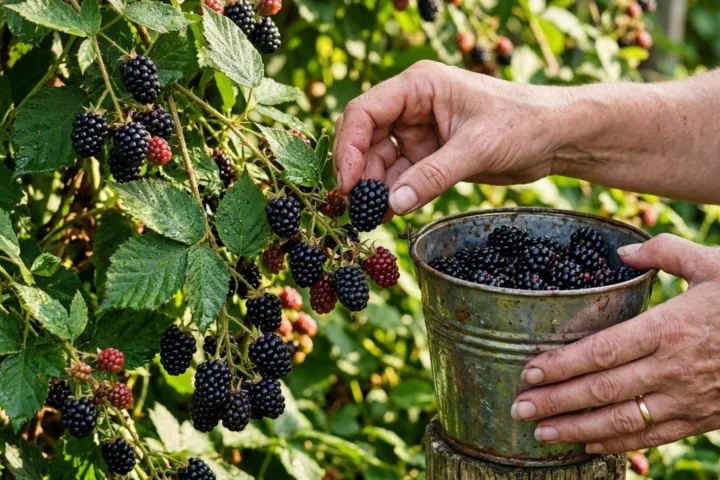
Place the tallest plants on the north side so they do not shade everything else. Tomatoes or pole beans go in back. Basil, bush beans, and zinnias fill the middle. Lettuce, radishes, and sweet alyssum sit in front where you can harvest often.
Zinnias and marigolds do more than look cheerful. They bring pollinators to the vegetables and keep the bed from reading as a farm plot. Direct-sow radishes, lettuce, beans, zinnias, and sunflowers. Buy tomato and pepper transplants after frost risk drops.
A shade corner that stays green all season
Shade is not a dead zone. It is a foliage assignment. Hostas, coral bells, ferns, and lungwort give texture when sun flowers would sulk. Impatiens, begonias, and coleus add color for one season.
Keep new plantings several feet out from tree trunks. The soil under a mature tree is dry and full of competing roots. If the shade is dry, lean on coral bells, barrenwort, and hardy geranium rather than thirsty astilbe. Mulch two to three inches deep, leave a little space around stems, and water the soil rather than the leaves.
Give Each Plant a Job Before It Goes in the Ground
Annuals give you color this season and ask to be replanted. Perennials return if they match your winter lows. Shrubs give structure in January when the annuals are gone. You need all three jobs if you want a yard that still looks intentional in November.
Check perennial labels against the current USDA Plant Hardiness Zone Map. The 2023 update uses newer winter averages, and about half of the country shifted a half zone warmer than the 2012 map. Zone tells you what can survive winter. It does not tell you what will love your summer heat, your clay, or your afternoon glare.
Give each plant a job, then plant in odd-numbered clusters of three or five so the bed reads as a design instead of a specimen lineup.
| Setup | Use it when | First plants that behave | Main limit |
|---|---|---|---|
| Large patio container | You rent, have a deck, or cannot dig | Compact tomato, basil, petunia, trailing vine | Dries fast in heat |
| 4×8 raised bed | Soil is poor or you want neater paths | Lettuce, beans, zinnia, one staked tomato | Width over 4 feet is hard to reach |
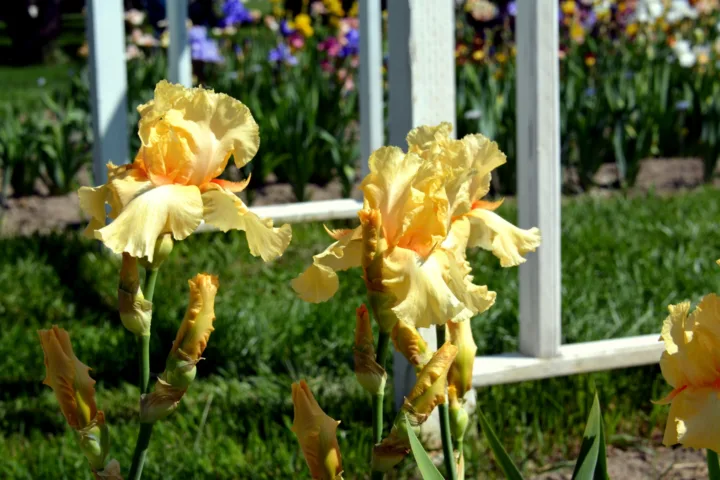
| In-ground sunny border | You have decent soil and more space | Coneflower, black-eyed Susan, catmint, sedum | Weeds and slower soil improvement |
| Shade foundation strip | The house or trees block afternoon sun | Hosta, coral bells, fern, impatiens | Dry shade under mature trees |
| Vertical fence or trellis | The yard is narrow or you want a screen | Pole beans, cucumber, morning glory | Needs sturdy support |
If two setups could work, pick the one you can water without rearranging your week.
Plant by Frost Date, Not by the Calendar Month
Cool-season crops such as peas, spinach, lettuce, kale, and radishes can go outside weeks before the last frost because they tolerate cold soil. Warm-season crops such as tomatoes, peppers, basil, cucumbers, and most bedding annuals wait until frost danger has passed and nights stay milder.
Look up your average last spring frost by ZIP code instead of planting by a calendar month. A last-frost date is an average, not a promise, so keep a sheet ready for a late cold snap.
Spring bulbs such as tulips and daffodils go in during fall, at a depth of about three times the bulb height. Summer bulbs such as dahlias wait until spring. Trees and shrubs often settle in better in fall, when the air is cool and roots can still grow.
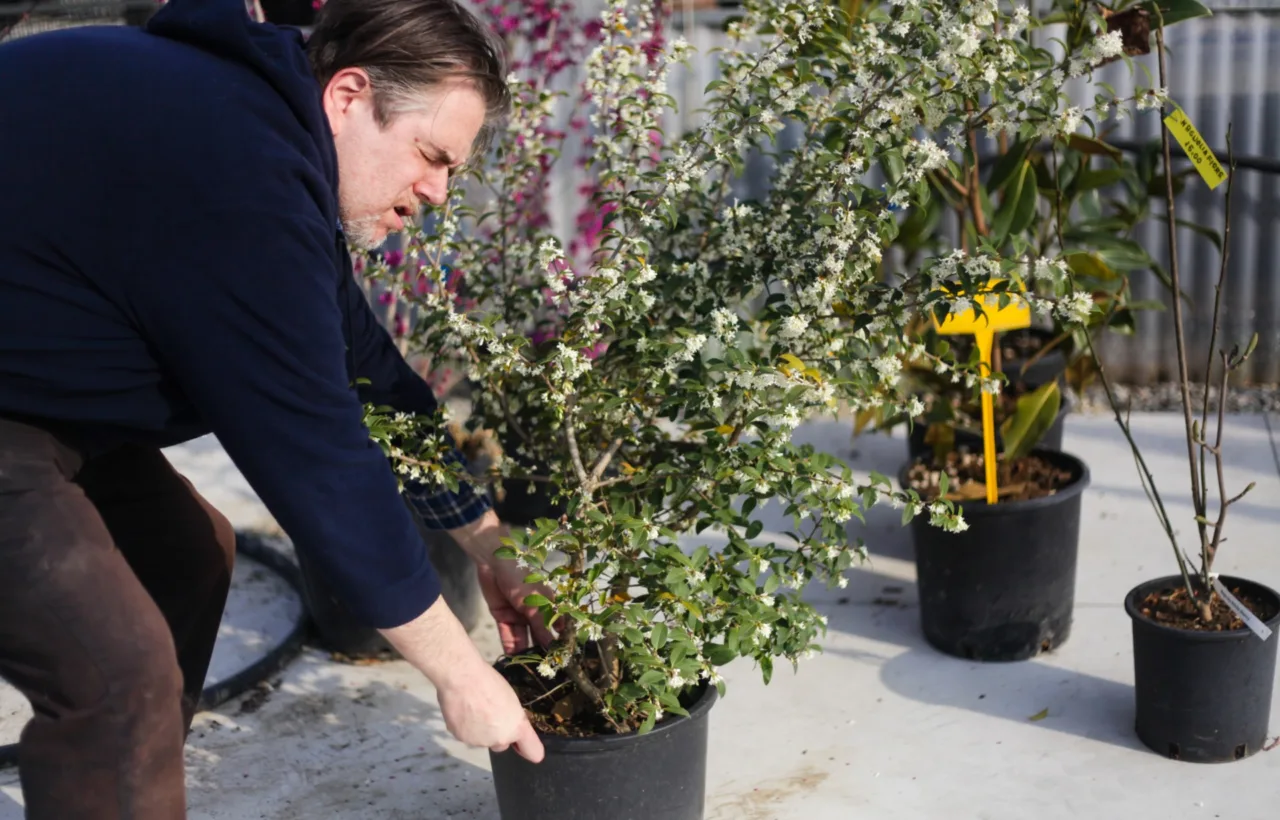
Direct-sow seeds that resent transplanting: carrots, radishes, beans, peas, zinnias, sunflowers, cosmos, and nasturtiums. Buy transplants for tomatoes, peppers, and eggplant. When you set a nursery plant, dig a hole two to three times as wide as the pot and only as deep as the root ball. Oklahoma State University Extension is blunt about depth: the crown should sit at or just above the soil line.
Outdoor Planting Mistakes That Show Up by July
These failures look like bad luck and are usually timing, spacing, or soil.
- Planting the whole saved board in one weekend. One pot or one small bed you can water beats a yard full of half-forgotten plants.
- Using garden soil in containers. It packs down, drains poorly, and turns a pretty pot into a swamp.
- Ignoring mature size. That tiny nursery pot can become a four-foot sprawl, which means less air, more disease, and fewer flowers.
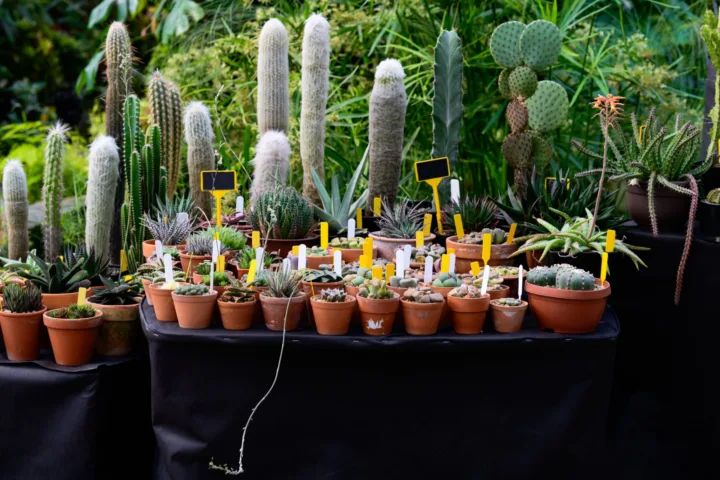
- Mixing heavy drinkers with drought plants in one watering zone. You cannot correctly water a cactus and a cucumber on the same schedule.
- Building a bed with no path to a hose. If watering is a project, watering will not happen.
Overwatering and underwatering can look the same from above. Check two inches down before you add more water. Wet soil plus wilt often means roots are drowning, not thirsty.
If a plant sulks after a week, ask the simple questions first. Did it get a hard frost? Is the pot too small? Is a taller neighbor stealing the sun after 11 a.m.? Fix the condition before you replace the plant.
Frequently Asked Questions
What are easy planting ideas outdoor for beginners?
Start with one large pot or one small bed, not a whole yard. Radishes, lettuce, bush beans, basil, zinnias, marigolds, and petunias forgive messy timing better than fussy shrubs. Buy tomato transplants after frost instead of starting from seed in year one.
How much sun do outdoor plantings need?
Most vegetables and sun flowers want six to eight hours of direct light, and fruiting crops do better closer to eight. Shade plants want protection from hot afternoon sun. Count hours in the season you will grow. A winter-bare tree can trick you into calling a site sunny.
Can I mix vegetables and flowers in the same bed?
Yes, and the bed usually looks better for it. Keep tall crops to the north, give tomatoes room to breathe, and tuck basil, zinnias, or alyssum around the edges. Flowers that attract bees help fruit set on beans, cucumbers, and tomatoes.
When should I plant outdoor flowers and vegetables?
Plant cool-season crops in early spring and again in late summer for fall. Plant warm-season flowers and vegetables after your last spring frost. Plant spring bulbs in fall. Use a frost-date lookup for your ZIP code, then watch that week's forecast.
Do I need a raised bed, or will pots work?
Pots work if you accept frequent watering and choose a container at least 12 inches deep for most crops. A raised bed helps when native soil is compacted, rocky, or poorly drained. In-ground planting is fine when the existing soil already drains and you can add compost.
Plant One Finished Grouping Before You Add Another
Walk outside and pick the spot you see from the door you use every day. Count the sun. Choose the matching recipe. Plant fewer things than the cart suggests.
Water the soil, not the leaves. Mulch the bare ground so weeds do not win the first month. Then leave that grouping alone long enough to finish. A single pot that stays full through August is a better outdoor planting idea than five half-started beds you avoid looking at.
Honestly? The yard gets prettier when you stop collecting ideas and start repeating the one that already works.