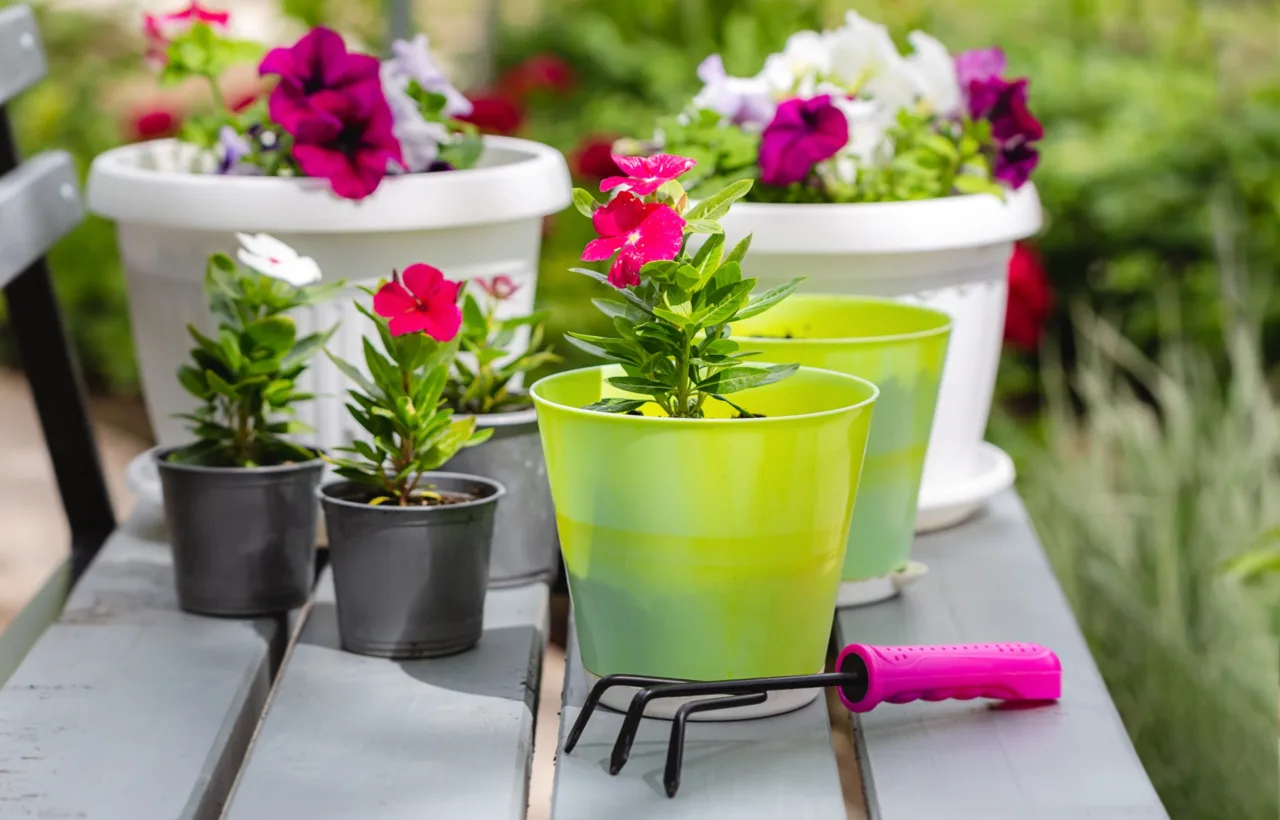

A few well-placed outdoor pots can change a bare patio faster than any weekend project, as long as you match pot size, plant thirst, and sunlight. The planting pots ideas outdoor people save from Pinterest usually fail for three quiet reasons: the pot is too small, the mix is garden dirt, or sun lovers and shade lovers share one container. Start with one large pot in the spot you actually see from the door. Plant it for that light. Then add two smaller pots beside it. That simple trio looks designed, and it is much easier to water than a scatter of tiny souvenirs.
Match the pot to the job before you pick a plant
Pretty plants do not rescue a pot that is doing the wrong job. Decide what the container must do in that exact spot, then shop.
A pot by the front door needs year-round shape, not a two-week burst of color. A pot beside a grill needs heat-tolerant plants and a material that will not scorch roots. A balcony pot has a weight limit once it is soaked. A screening pot has to be large enough for a tall grass or a compact shrub, or it will look like a stick in a bucket.
Think in three jobs: color for a season, structure for the year, or food you will actually harvest. One pot can do two of those. It rarely does all three well. If you only have energy for one purchase, buy the largest pot you can lift into place empty, then fill it after it is sitting where it belongs.
Choose a pot material that can live outside
The container is half the plant. Porous clay dries fast and looks lovely. It also soaks up water, which is a problem once nights drop below freezing. Plastic and resin keep moisture longer and shrug off frost. Heavy ceramic stays put in wind and cooks roots if it is dark and sitting in full sun.
NC State Extension notes that dark containers absorb more heat in summer, so the mix dries faster and roots can cook. On a west-facing patio, a pale pot is not a style choice. It is damage control.
| Pot material | Freeze risk if wet | Weight when planted | Use it when |
|---|---|---|---|
| Plastic or resin | Low | Light | Balconies, renters, pots you move |
| Unglazed terracotta | High in frost | Medium to heavy | Dry climates and herbs that hate soggy roots |
| Glazed ceramic | Medium | Heavy | A statement pot you will not drag around |
| Fiberglass or composite | Low | Medium | Year-round displays in cold winters |
| Wood | Low if raised and drained | Medium | Screening, vegetables, and long troughs |
Whatever you buy, it needs a way for water to leave. Drainage holes matter because wet roots run out of air and rot. If a decorative pot has no hole, grow the plant in a nursery pot and drop that inside. After rain, lift the inner pot and dump the puddle.
Planting pots ideas outdoor for sun, shade, and supper
Skip the giant mixed bowl unless every plant wants the same light and the same watering rhythm. Copy one of these setups instead, then repeat it.
Full-sun patio and front-step displays
Give a sunny corner one 18 to 24 inch pot as the anchor. Put a tall plant in the middle: a canna, a cordyline, a dwarf ornamental grass, or a compact hibiscus in warm zones. Ring it with a mounding plant such as lantana, geranium, or coleus. Finish the rim with a trailer like calibrachoa, sweet potato vine, or creeping Jenny.
On steps, repeat one plant in matching pots rather than a different color on every tread. Three pots of the same pelargonium look calmer than a rainbow. If you want movement, add one trailing plant on the lowest step only.
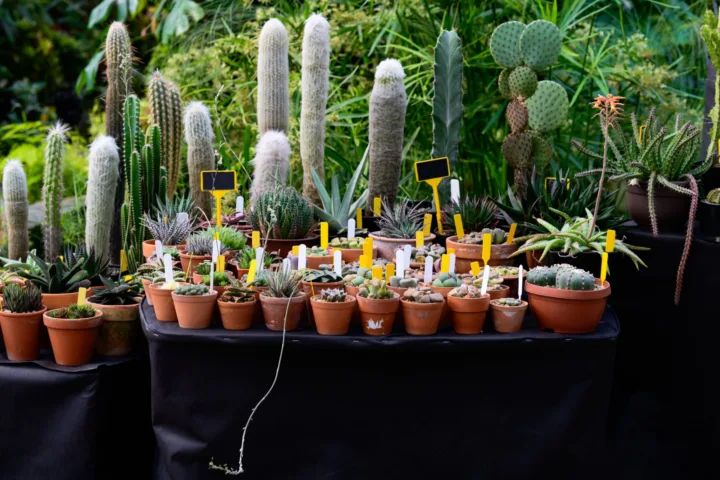
Mediterranean herbs love this exposure. Rosemary, thyme, oregano, and sage prefer a pot that dries between drinks. Terracotta helps here because it breathes. Keep basil in its own pot. It wants more water than rosemary and will sulk if you treat them as twins.
Shady porch and north-wall pots
Shade pots look tired when people force petunias into them. Switch the job from flowers to foliage. Hostas, heuchera, ferns, caladiums, and coleus carry a porch all summer. Impatiens and begonias still earn a place if you want blooms that do not fade in low light.
Use a wide pot, not a skinny one. Shade plants often have broad leaves that look cramped in a tall cylinder. Keep the mix moist but not swampy. Shade pots dry slower, so the usual killer is kindness with the watering can.
For winter structure on a covered porch, think boxwood, a compact holly, skimmia, or an evergreen fern. You can tuck pansies or ornamental kale around the base when the weather cools, then pull them when they collapse.
Edible pots you can harvest from
Food pots work when you respect volume. NC State’s container guide puts a tomato or eggplant in at least a 5 gallon pot, peppers in about 2 gallons, and lettuce in a shallow container with 6 to 8 inches of mix. Bigger is kinder. A large pot dries out slower and forgives a missed watering.
A reliable starter set is one cherry tomato in a cage, three herbs by the kitchen door, and one wide bowl of cut-and-come-again greens. Underplant the tomato with basil if you want every inch working. Keep mint alone. It will annex any roommate.
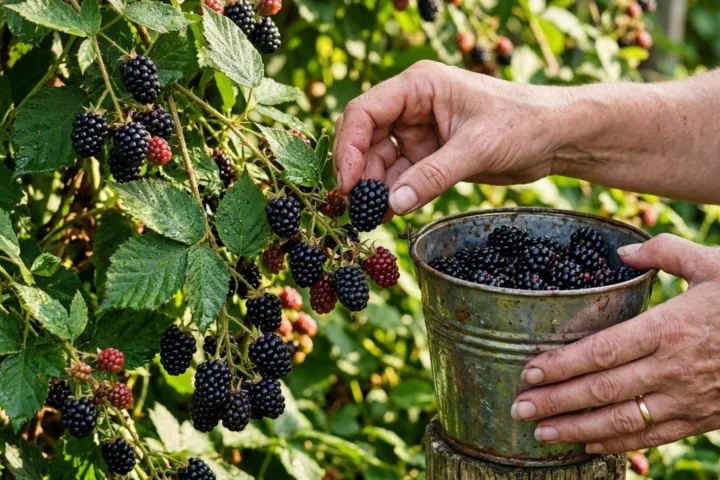
Blueberries can live in pots if you use ericaceous (acid) mix and a container wide enough for a small shrub. Strawberries belong in a hanging pot or a trough you can reach without kneeling. Fruit at nose height is easier to pick and harder for slugs to raid.
Plant the pot so roots have a chance
Most outdoor pot failures happen at the filling stage, not the styling stage. Garden soil looks free and helpful. In a container it packs down, holds too much water, and brings weeds and pathogens with it. Use a potting mix made for containers. The RHS recommends peat-free multipurpose compost for most patio pots, with specialist mixes for acid lovers.
Skip a thick gravel layer at the bottom. UC Master Gardeners explain that water does not move easily from fine mix into coarse stone, so the wet zone simply sits higher and steals root space. Cover a large hole with a shard or a scrap of mesh if mix is escaping. Fill the rest with potting mix.
- Set the empty pot where it will live, then raise it on pot feet or two bricks so the holes can drain on paving.
- Fill with slightly damp potting mix, leaving a watering gap of about an inch below the rim.
- Loosen circling roots, set the plant at the same depth it grew in its nursery pot, and firm the mix without stomping it into a brick.
- Water until it runs out the bottom, then empty any saucer so the pot is not sitting in a bath.
In hot weather, the RHS says containers can need a daily check, and sometimes two. Poke a finger a couple of inches down. If it is dry, water slowly until the overflow starts. Fast-growing annuals and hungry crops also need feeding once the starter fertilizer in the bag runs out, usually after several weeks.
Two plant pairings to avoid: a cactus with a fern, and a tomato with a succulent. If one plant wants a drought and the other wants a drink, somebody loses.
Group cheap pots so they look intentional
A single tiny pot on a wide patio looks lost. A cluster reads as a garden. Designers keep returning to the same simple rules because they work on a fire escape and in a courtyard.
Work in odd numbers. Three or five pots beat two or four. Vary height and width. Use one large anchor pot and let smaller ones sit forward. Repeat one material or one color so the group feels related even when the plants differ. Gardens Illustrated’s pot-garden advice is blunt on scale: large containers buffer roots against drying out and can hold shrubs, not just bedding.
Raise a short pot on an upturned empty pot or a stack of bricks if you need height and do not want to buy a pedestal. Keep walkways clear. A gorgeous pot that people trip over will get kicked, and kicked pots crack.
If winter is coming and the pot is terracotta or thin ceramic, plan an exit. Unglazed clay can crack when absorbed water freezes. Empty it, store it dry, or switch that spot to a frost-tough resin pot with an evergreen inside.
Frequently Asked Questions
Do outdoor planting pots need drainage holes?
Yes, almost always. Extra water has to leave or roots sit in stale, airless mix and rot. If you love a hole-free cachepot, keep the plant in a nursery pot and lift it after rain. Attached saucers that you cannot empty are a common way to kill basil and other thirsty-looking plants that still hate wet feet.
Can I use garden soil in outdoor pots?
No. Field soil is too dense for a container. It compacts, drains poorly, and can carry pests and weed seeds. Use a potting mix built for pots. You can refresh tired mix each spring by lifting the plant, teasing out old roots, and blending in fresh mix rather than dumping the whole pot every year.
How often should I water outdoor pots?
There is no honest weekly schedule. Small pots in sun can dry in a day. Large pots in shade may last several. Check the mix, not the weather app. Water until it exits the holes, then dump standing water. In a heatwave, morning watering beats a noon splash that barely wets the top inch.
What can I plant in outdoor pots for a shady porch?
Lean on foliage first: hosta, heuchera, fern, coleus, and caladium. Add impatiens or begonias if you want flowers. Keep the pot wide, the mix draining, and the watering gentler than you use on the sunny side of the house. A dwarf hydrangea can work in a large pot with morning light and afternoon shade.
What are simple planting pots ideas outdoor if I only have a balcony?
One large pot of herbs by the door, one hanging pot of strawberries or trailing flowers, and one upright pot of a compact tomato or ornamental grass. Stay with light resin if the balcony has a weight limit, and confirm the wet weight, not the empty one. Rail planters add plants without stealing floor space.
Plant one large pot this week and stop collecting tiny ones
If the patio already looks busy and still feels empty, the problem is scale. Trade six 8 inch pots for one 20 inch pot in the place your eye lands first. Plant it for the light that actually hits that corner. Water it properly. Then decide whether you need a second pot at all.
A container garden is allowed to be small. It is not allowed to be an afterthought with leftover soil and mismatched thirst. Give one pot enough mix, a hole that works, and plants that agree with each other. That is the idea worth pinning.